
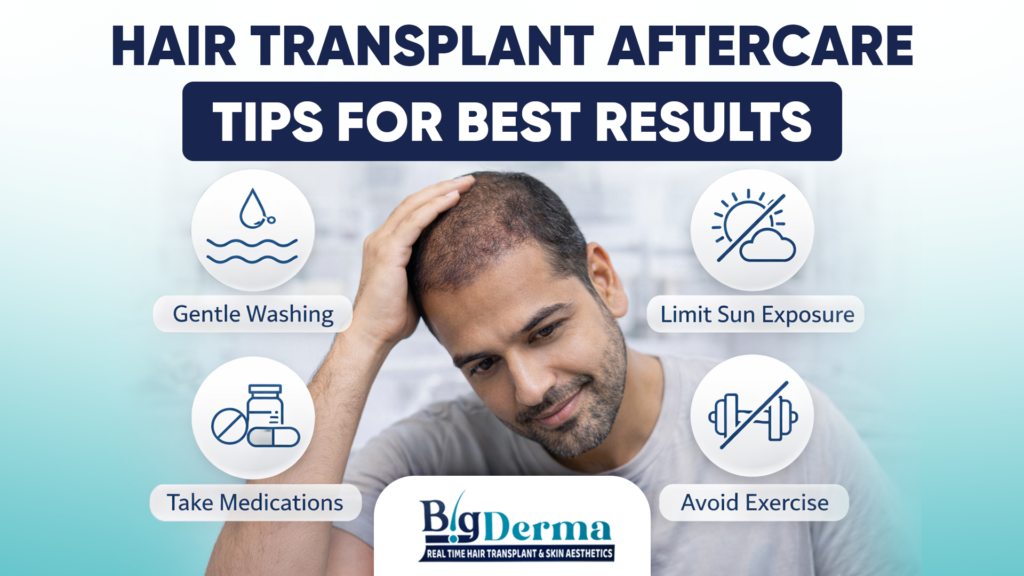
A successful hair transplant does not end inside the operation theatre.
In fact, aftercare plays a major role in determining the final result of your hair transplant.
Many patients assume that once the procedure is completed, the job is done. However, improper post-transplant care can affect graft survival, hair growth quality, and overall appearance.
At Big Derma Clinic, Kolkata, we believe that correct aftercare is just as important as the transplant itself. This complete guide explains every stage of hair transplant aftercare, from the first 24 hours to long-term maintenance, in simple and clear detail.
Why Hair Transplant Aftercare Is So Important
Hair transplant involves placing delicate hair grafts into tiny recipient sites. These grafts need time and protection to establish blood supply and grow naturally.
Benefits of Proper Aftercare
- Higher graft survival rate
- Faster healing
- Reduced risk of infection
- Natural and dense hair growth
- Long-lasting results
Neglecting aftercare can lead to poor growth, shock loss, or uneven results.
First 24 Hours After Hair Transplant: Most Critical Phase
The first day after surgery is extremely sensitive.
What to Expect
- Mild pain or discomfort
- Swelling on forehead or scalp
- Redness around transplanted area
- Small scabs forming
All these are normal and temporary.
Important Care Tips
- Do not touch or scratch the transplanted area
- Avoid bending your head forward
- Sleep with head elevated
- Take prescribed medicines on time
The grafts are very fragile during this period.
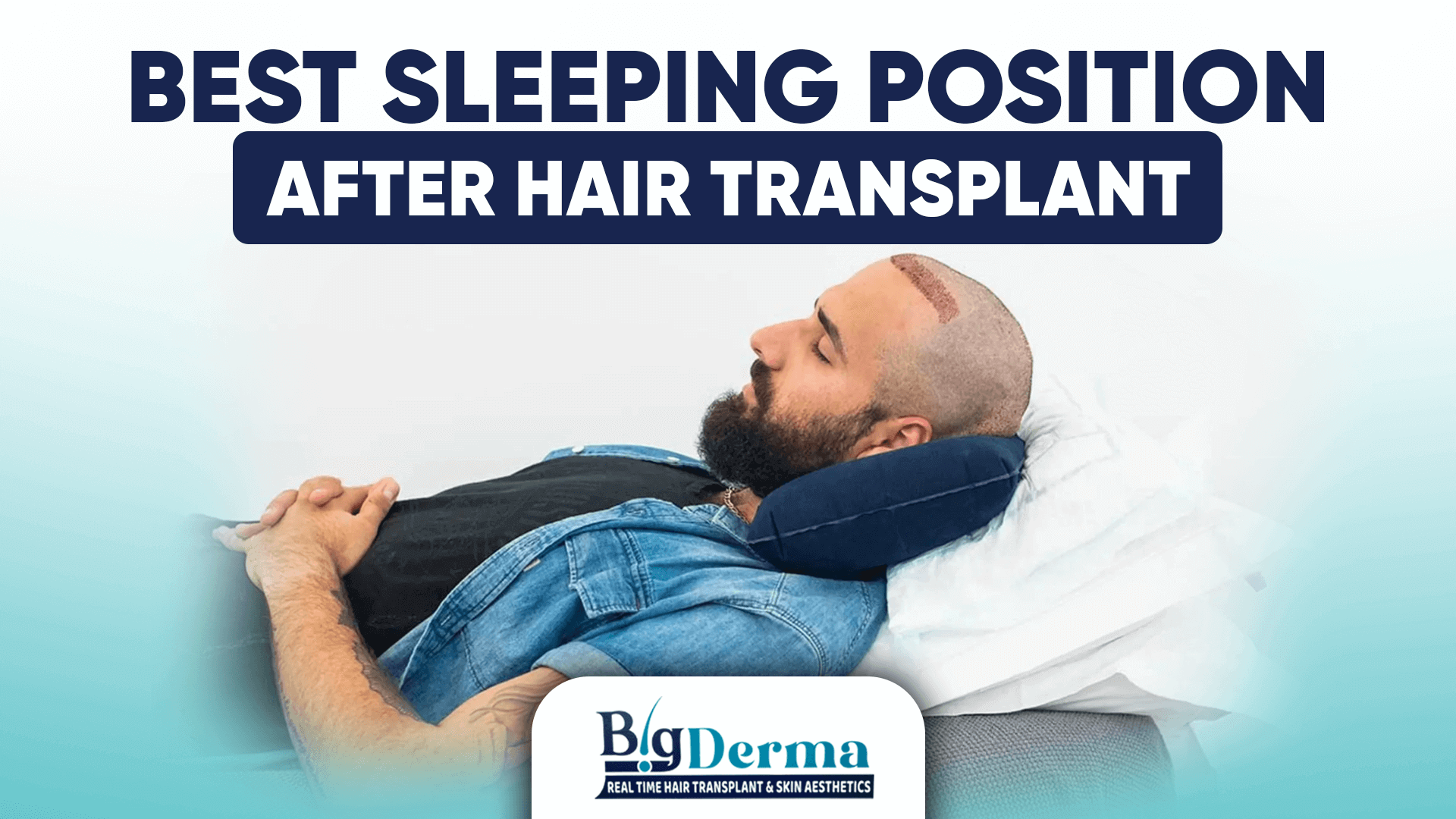
Sleeping Position After Hair Transplant
Sleeping incorrectly can dislodge grafts or increase swelling.
Best Sleeping Practices
- Sleep on your back
- Keep head elevated at 30–45 degrees
- Use a neck pillow if needed
- Avoid sleeping on sides or stomach
This position should be followed for at least 5–7 days.
Managing Swelling After Hair Transplant
Swelling usually appears on the forehead or around the eyes between day 2 and day 4.
Why Swelling Occurs
- Fluid injection during surgery
- Body’s healing response
How to Reduce Swelling
- Cold compress on forehead (not on grafts)
- Adequate hydration
- Avoid salty foods
- Follow medication schedule
Swelling usually subsides within a week.
Washing Hair After Hair Transplant: Step-by-Step Care
Hair washing is one of the most common concerns.
When to Start Washing
- Usually after 24–48 hours, as advised by the doctor
How to Wash Safely
- Use only prescribed or mild shampoo
- Pour water gently using a cup
- Do not rub or scrub
- Pat dry with a soft towel
What to Avoid
- Direct shower pressure
- Hot water
- Strong shampoos
Improper washing can damage grafts.
Scab Care After Hair Transplant
Small scabs form around transplanted grafts.
Important Scab Care Rules
- Do not pick or scratch scabs
- Let them fall off naturally
- Regular gentle washing helps removal
Why Scab Removal Is Important
- Prevents infection
- Improves hair growth direction
- Enhances overall appearance
Scabs usually fall off within 7–10 days.
Medication After Hair Transplant
Medications help control pain, swelling, and infection.
Commonly Prescribed Medicines
- Antibiotics
- Pain relievers
- Anti-inflammatory drugs
Important Tips
- Complete the full course
- Do not self-medicate
- Inform doctor if side effects occur
Medication compliance is essential for healing.
Avoid Touching and Scratching the Scalp
Itching is common during healing.
Why You Must Not Scratch
- Grafts may dislodge
- Risk of infection
- Poor healing
How to Manage Itching
- Use saline spray if advised
- Keep scalp clean
- Follow doctor-recommended solutions
Itching usually reduces within a few days.
Diet After Hair Transplant: Fuel for Hair Growth
Nutrition plays a major role in recovery and growth.
Recommended Foods
- Protein-rich foods
- Fresh fruits and vegetables
- Nuts and seeds
- Adequate water intake
Foods to Avoid
- Spicy foods
- Oily and junk foods
- Alcohol
- Smoking
A healthy diet supports strong and faster hair growth.
Smoking and Alcohol After Hair Transplant
Smoking and alcohol directly affect blood circulation.
Why They Are Harmful
- Reduce oxygen supply to grafts
- Delay healing
- Increase graft failure risk
Recommended Timeline
- Avoid smoking for at least 2–3 weeks
- Avoid alcohol for at least 7–10 days
For best results, longer avoidance is advised.
Physical Activity and Exercise After Hair Transplant
Physical exertion can increase blood pressure and sweating.
Activities to Avoid Initially
- Heavy workouts
- Gym and weight lifting
- Swimming
- Yoga with head bending
When to Resume Exercise
- Light walking after 7 days
- Moderate exercise after 3–4 weeks
Always follow your doctor’s guidance.
Sun Exposure After Hair Transplant
Sun exposure can damage healing skin.
Why Sun Is Dangerous
- Increases pigmentation risk
- Causes dryness
- Slows healing
Protection Tips
- Avoid direct sunlight for 2–3 weeks
- Wear loose cap (after doctor’s approval)
- Stay indoors during peak hours
Sun care is essential for scalp health.
Shedding Phase After Hair Transplant: Don’t Panic
Many patients worry when transplanted hair starts falling.
What Is Shock Loss?
- Temporary shedding of transplanted hair
- Occurs between 2–8 weeks
Important Facts
- Hair roots remain intact
- New hair grows in 3–4 months
- This phase is completely normal
Understanding this phase prevents unnecessary stress.
Hair Growth Timeline After Hair Transplant
Hair growth is gradual.
Expected Timeline
- 1–2 months: Healing phase
- 3–4 months: New hair growth starts
- 6 months: Visible improvement
- 9–12 months: Significant density
- 12–15 months: Final results
Patience is key to satisfaction.
Long-Term Hair Care After Hair Transplant
Hair transplant results can last a lifetime with proper care.
Long-Term Tips
- Use mild hair products
- Avoid harsh chemicals
- Maintain scalp hygiene
- Regular follow-ups
Healthy habits protect your investment.
Hair Styling and Products After Hair Transplant
When Can You Style Hair?
- Light styling after 3–4 weeks
Products to Avoid Initially
- Hair gels
- Strong sprays
- Chemical treatments
Gradually reintroduce products as advised.
When to Contact Your Doctor
Seek medical advice if you notice:
- Excessive pain
- Severe swelling
- Signs of infection
- Continuous bleeding
Early intervention prevents complications.
Common Aftercare Mistakes to Avoid
- Touching grafts
- Skipping medicines
- Smoking too early
- Ignoring follow-ups
- Using home remedies
Avoiding these mistakes ensures optimal results.
Why Choose Big Derma Clinic, Kolkata for Post-Transplant Care?
At Big Derma Clinic, aftercare is a priority.
Our Aftercare Support Includes
- Detailed post-procedure guidance
- Personalized recovery plan
- Regular follow-ups
- Long-term hair health strategy
We focus on results that look natural and last long.
Conclusion
Hair transplant aftercare is not optional—it is essential.
From the first day to the final growth phase, every step matters.
By following the correct aftercare routine, you protect your grafts, speed up recovery, and achieve the best possible outcome.
At Big Derma Clinic, Kolkata, we guide you through every stage of healing so that your hair transplant journey ends with confidence, satisfaction, and natural-looking results.
FAQs: Hair Transplant After Care
How long does it take to heal after hair transplant?
Initial healing takes 7–10 days, full recovery takes a few weeks.
When can I wash my hair normally?
Usually after 10–14 days, as advised by the doctor.
Is itching normal after hair transplant?
Yes, mild itching is common during healing.
Do I need lifelong care after hair transplant?
Basic hair care and healthy habits help maintain long-term results.

 Chat with us