
Hair Transplant in Kolkata for Baldness and Hair Loss Treatment
Hair transplant in Kolkata has become one of the most effective solutions for individuals experiencing hair loss, thinning hair, or baldness. With advanced hair restoration techniques and modern surgical methods, patients can achieve natural-looking hair growth, improved density, and long-lasting results.If you are searching for a hair transplant clinic in Kolkata, there are several trusted options offering treatments like FUE and DHI techniques, performed by experienced specialists in well-equipped medical facilities.
What is Hair Transplant?
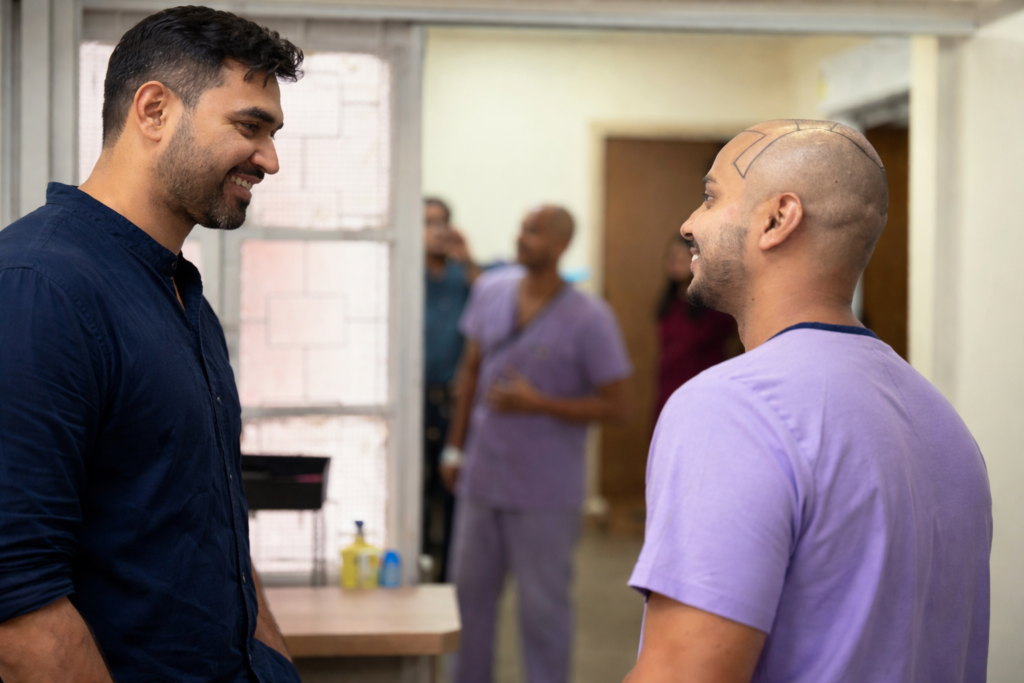
A hair transplant is a surgical hair restoration procedure that involves transferring healthy hair follicles from a donor area, typically the back or sides of the scalp, to bald or thinning regions. Commonly referred to as hair restoration or hair replacement surgery, this procedure is performed by qualified dermatologists and hair transplant surgeons.
The transplanted follicles continue to grow naturally after implantation, providing permanent results. Modern hair transplant procedures are performed under local anaesthesia and are designed to deliver natural-looking outcomes with minimal discomfort.
Why Choose a Hair Transplant in Kolkata?
Kolkata has become a preferred destination for hair transplant procedures for people looking for quality treatment at a reasonable cost. The city offers access to experienced hair transplant surgeons, modern treatment techniques, and well-equipped clinics, making it a practical choice for individuals dealing with hair loss, thinning hair, baldness, as well as female hair transplant and beard transplant procedures.
Experienced Hair Transplant Surgeons
The outcome of a hair transplant largely depends on the surgeon’s expertise. Many doctors in Kolkata have years of experience in hair restoration and focus on creating natural-looking hairlines that complement each patient’s facial features and hair growth pattern.
Advanced Hair Transplant Techniques
Leading clinics in Kolkata offer modern procedures such as FUE (Follicular Unit Extraction), DHI (Direct Hair Implantation), and Sapphire FUE hair transplant. The choice of technique depends on factors such as the extent of hair loss, donor hair availability, and individual treatment goals.
Cost-Effective Treatment Options
One of the reasons many patients choose a hair transplant in Kolkata is the balance between quality and affordability. Treatment costs are often lower than in many larger metropolitan cities, allowing patients to access professional care without exceeding their budget.
Natural-Looking Results
Hair transplant procedures use healthy follicles from your own donor area, usually the back and sides of the scalp. When performed correctly, the transplanted hair grows naturally and blends seamlessly with existing hair, helping restore both density and confidence.
Modern Clinics and Patient Support
Many hair transplant clinics in Kolkata follow established safety and hygiene protocols and provide personalized treatment plans. From the initial consultation to post-procedure follow-ups, patients receive guidance throughout their hair restoration journey.
Convenient for Patients Across Eastern India
Kolkata is one of the largest healthcare hubs in Eastern India and is easily accessible by air, rail, and road. This makes it a convenient option for patients traveling from nearby cities and states for hair transplant treatment.
A Reliable Choice for Hair Restoration
Whether you are experiencing a receding hairline, crown thinning, or pattern baldness, a hair transplant in Kolkata can provide a long-term solution. With experienced surgeons, modern techniques, and affordable treatment options, the city continues to be a popular choice for individuals seeking natural-looking hair restoration.
Types of Hair Transplant Available in Kolkata
Hair loss affects everyone differently, which is why there is no one-size-fits-all approach to hair transplantation. Depending on your pattern of hair loss, donor hair availability, desired density, and recovery preferences, different hair transplant techniques may be recommended.
Today, most clinics in Kolkata offer two advanced procedures: FUE and DHI, along with Sapphire FUE.
FUE Hair Transplant (Follicular Unit Extraction)
FUE hair transplant is one of the most widely performed hair transplant techniques in Kolkata. In this procedure, individual hair follicles are carefully extracted from the donor area, usually the back or sides of the scalp, and implanted into areas affected by thinning or baldness.
Since follicles are removed individually, there is no need for a linear incision. This results in tiny dot-like marks that heal naturally and become barely visible over time. The procedure is minimally invasive, recovery is generally comfortable, and results look very natural when performed correctly.
DHI Hair Transplant (Direct Hair Implantation)
DHI hair transplant is an advanced technique based on the principles of FUE. After extraction, hair follicles are implanted directly into the recipient area using a specialized implantation tool.
This method allows precise control over the angle, direction, and depth of each graft, making it ideal for hairline design and density enhancement. DHI is often preferred by patients who want high precision and natural-looking results with minimal handling of grafts.
Comparing FUE and DHI
- All three techniques aim to achieve the same goal—restoring natural hair growth in thinning or bald areas. The difference lies in how the grafts are collected and implanted.
- FUE is widely used and highly effective for covering larger bald areas with natural results.
- DHI offers more precision in implantation, especially useful for hairline refinement and dense packing.
Which Hair Transplant Technique Is Right for You?
Hair Transplant in Kolkata Before & After Results
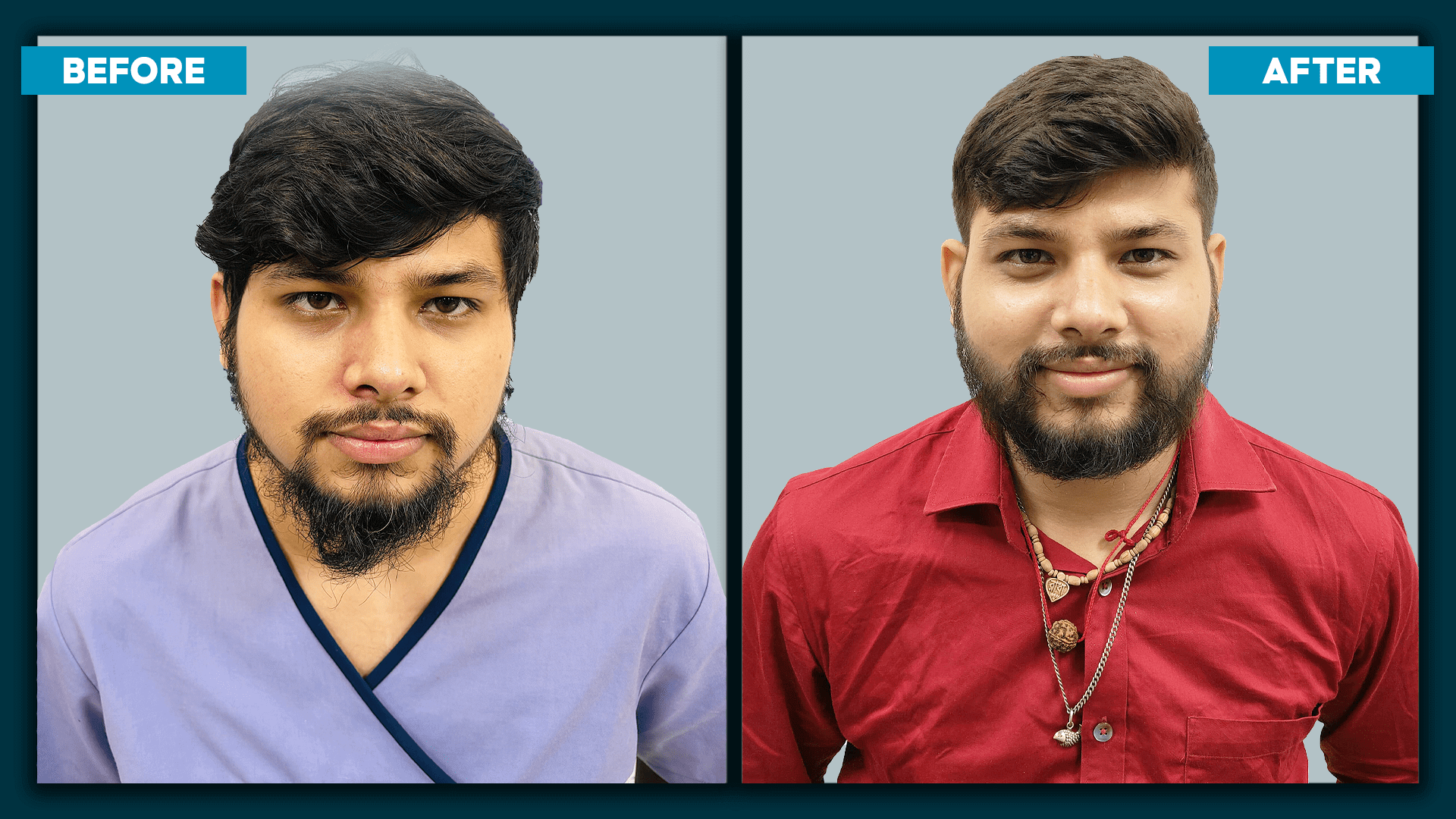
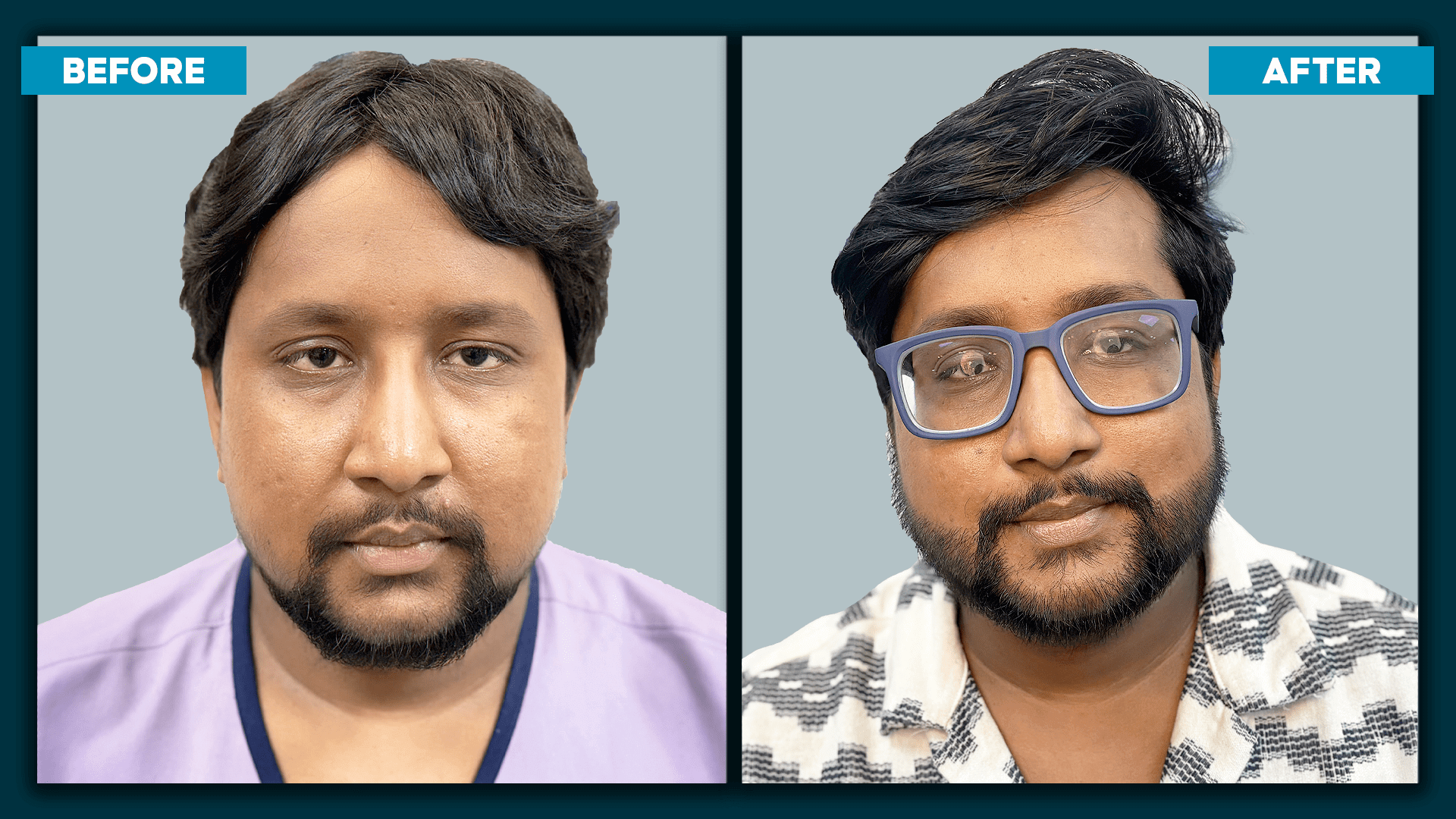
Patients undergoing hair transplant in Kolkata at Bigderma Hair Clinic generally begin to notice visible improvements in hair growth and density within 6 to 12 months following the procedure. Results may vary depending on factors such as donor hair quality, extent of hair loss, number of grafts transplanted, individual healing response, and adherence to post-operative care instructions. With proper planning and execution, most patients achieve natural-looking and long-lasting hair restoration.
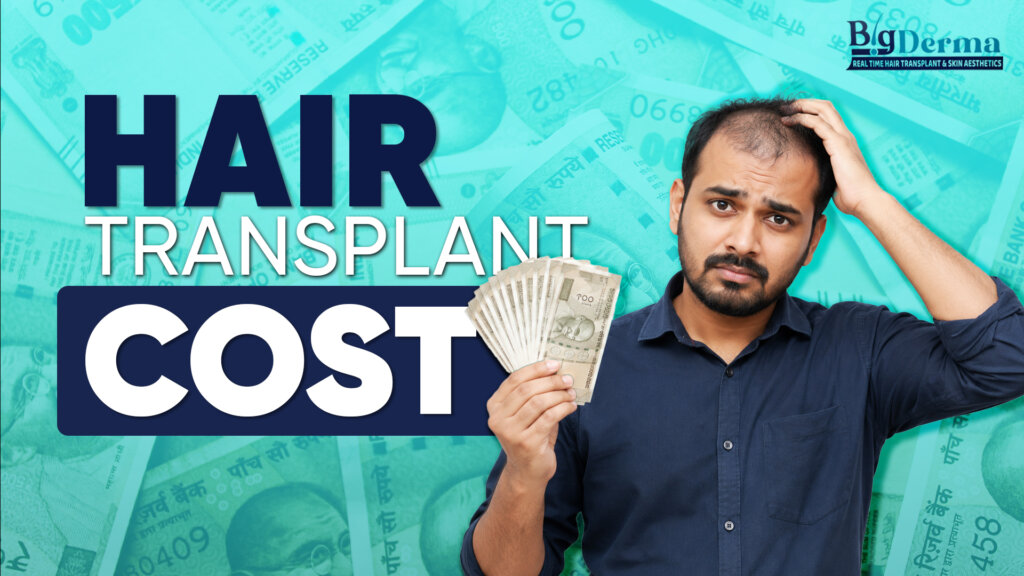
How much does hair transplant cost in Kolkata?
One of the most frequently asked questions by patients is regarding the cost of hair transplant in Kolkata.
The cost varies depending on several factors, including the extent of hair loss, the number of grafts required, the technique selected, donor hair quality, and the complexity of the procedure. While some patients may require only hairline restoration, others may need extensive coverage for crown baldness or overall scalp density.
At Bigderma Hair Clinic, every patient receives a personalized treatment plan after a detailed consultation and scalp evaluation. This helps determine the most suitable treatment approach and provides an accurate estimate of the cost of hair transplant in Kolkata based on individual requirements.
Why Choose Bigderma Hair Clinic for Hair Transplant in Kolkata?
When choosing the best hair transplant in Kolkata, it is important to consider not just the cost but also the experience of the doctors, safety standards, technology, and expected results. Bigderma Hair Clinic is a trusted name in hair restoration with 10+ years of experience and over 4,000 successful hair transplant procedures. We have helped thousands of patients restore natural hair growth and confidence through advanced and personalized treatment plans. We use modern techniques such as FUE, Sapphire FUE, DHI, and RHT, designed to ensure minimal discomfort, faster recovery, and high graft survival rates. Every treatment is planned based on the patient’s individual hair loss pattern and donor area quality.
Our clinic is known for:
- Experienced hair transplant specialists
- Natural-looking hairline design and density
- Safe, minimally invasive procedures under medical supervision
- Transparent pricing with EMI options
- Customized treatment plans for every patient
- Strong focus on post-procedure care and follow-ups
Contact Us
We also maintain a strong reputation in Kolkata with positive patient reviews and successful results, making us a preferred choice for hair transplant treatments.
Located in the heart of Kolkata, our clinic offers a comfortable and accessible environment for patients, along with complete support from consultation to recovery.
Why Choose Bigderma Hair Clinic for Hair Transplant in Kolkata?
When choosing the best hair transplant in Kolkata, it is important to consider not just the cost but also the experience of the doctors, safety standards, technology, and expected results. Bigderma Hair Clinic is a trusted name in hair restoration with 10+ years of experience and over 4,000 successful hair transplant procedures. We have helped thousands of patients restore natural hair growth and confidence through advanced and personalized treatment plans. We use modern techniques such as FUE, Sapphire FUE, DHI, and RHT, designed to ensure minimal discomfort, faster recovery, and high graft survival rates. Every treatment is planned based on the patient’s individual hair loss pattern and donor area quality.
Our clinic is known for:
- Experienced hair transplant specialists
- Natural-looking hairline design and density
- Safe, minimally invasive procedures under medical supervision
- Transparent pricing with EMI options
- Customized treatment plans for every patient
- Strong focus on post-procedure care and follow-ups
Contact Us
We also maintain a strong reputation in Kolkata with positive patient reviews and successful results, making us a preferred choice for hair transplant treatments.
Located in the heart of Kolkata, our clinic offers a comfortable and accessible environment for patients, along with complete support from consultation to recovery.
Frequently Asked Questions
In most cases, yes. The hair used for a transplant is usually taken from the back and sides of the scalp, where hair is naturally more resistant to baldness. Once these follicles are transplanted and successfully grow in their new location, they can continue growing hair for many years.
However, a hair transplant only restores hair in the treated areas. Your existing non-transplanted hair may still thin over time, which is why some patients may benefit from medical treatments or maintenance therapy to preserve overall hair density.
There is no fixed number that works for everyone. The number of grafts depends on your stage of hair loss, the size of the bald area, the quality of your donor hair, and the density you want to achieve.
As a rough estimate:
- 1,000–1,500 grafts: Minor hairline correction
- 1,500–2,500 grafts: Hairline restoration and moderate thinning
- 2,500–4,000 grafts: Larger bald areas and crown coverage
- 4,000+ grafts: Advanced stages of baldness
A proper scalp assessment is the best way to determine the exact graft requirement for your case.
Most patients are surprised by how comfortable the procedure is. Hair transplants are performed under local anaesthesia, which numbs the scalp before the treatment begins.
You may feel a slight pinching sensation during the anaesthesia process, but the transplant itself is generally painless. Mild soreness, swelling, or tightness can occur for a few days afterwards, but these symptoms usually improve quickly with proper aftercare.
Recovery is usually faster than most people expect. Many patients return to office work and routine activities within a few days after the procedure.
Small scabs typically fall off within 7–10 days, while redness and swelling gradually improve during the first couple of weeks. Following your surgeon's aftercare instructions can help ensure a smooth recovery and optimal healing.
Hair transplant results take time to develop, so patience is important. During the first few weeks, the transplanted hairs often shed, which is a normal part of the process.
New hair growth usually starts around 3–4 months after the procedure. Noticeable improvement is often seen by 6 months, while fuller and more mature results generally appear between 9 and 12 months. In some cases, final results may continue to improve for up to 18 months.
The good news is that once the transplanted hair grows, it behaves like your natural hair and can be cut, washed, and styled normally.

 Chat with us