
Hair Transplant in Kolkata — Big Derma Clinic
Hair loss and thinning can affect self-esteem, and for many people it’s a gradual, frustrating process rather than a single event. We begin every consultation with a scalp analysis — checking hair loss pattern, donor area density, and scalp health — before recommending a technique. This isn’t a one-size-fits-all decision: someone with early-stage thinning may be better served by PRP than a transplant, and we’ll tell you that plainly even if it means a smaller bill.
For patients who are good candidates, our hair transplant in Kolkata uses FUE and DHI techniques aimed at strong graft survival, a natural-looking hairline, and manageable downtime. [Dr. Name] oversees planning and execution of each procedure, and our team supports you through recovery with scheduled follow-ups rather than a single post-op check-in.
Whether the cause is male pattern baldness, female-pattern thinning, or hair loss linked to genetics, stress, or another underlying factor, our aim is a plan suited to your case — not a generic package.
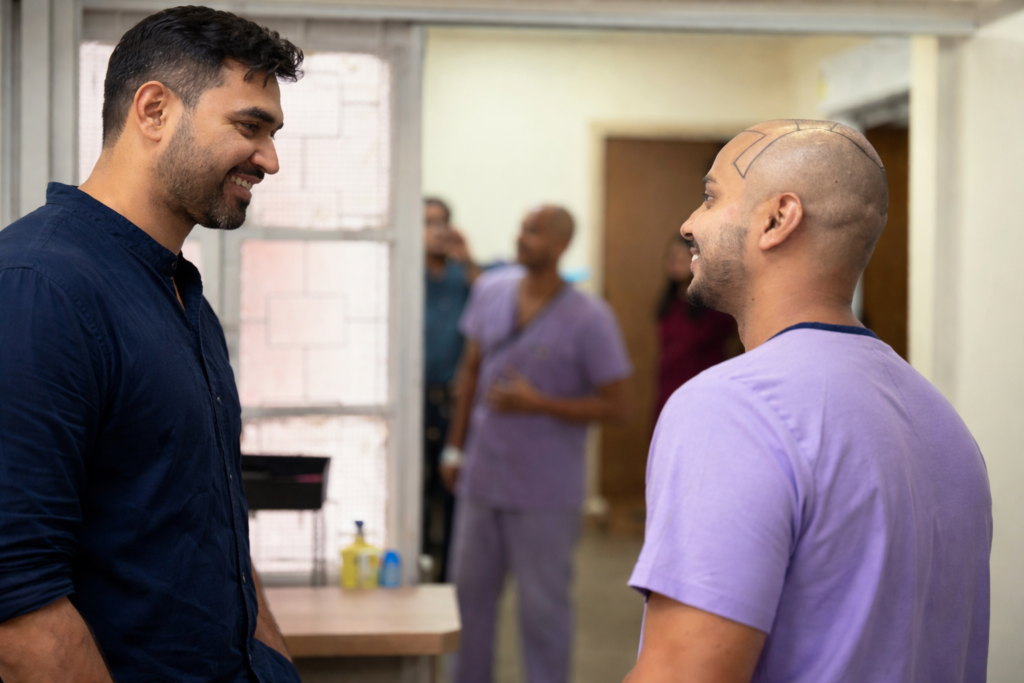
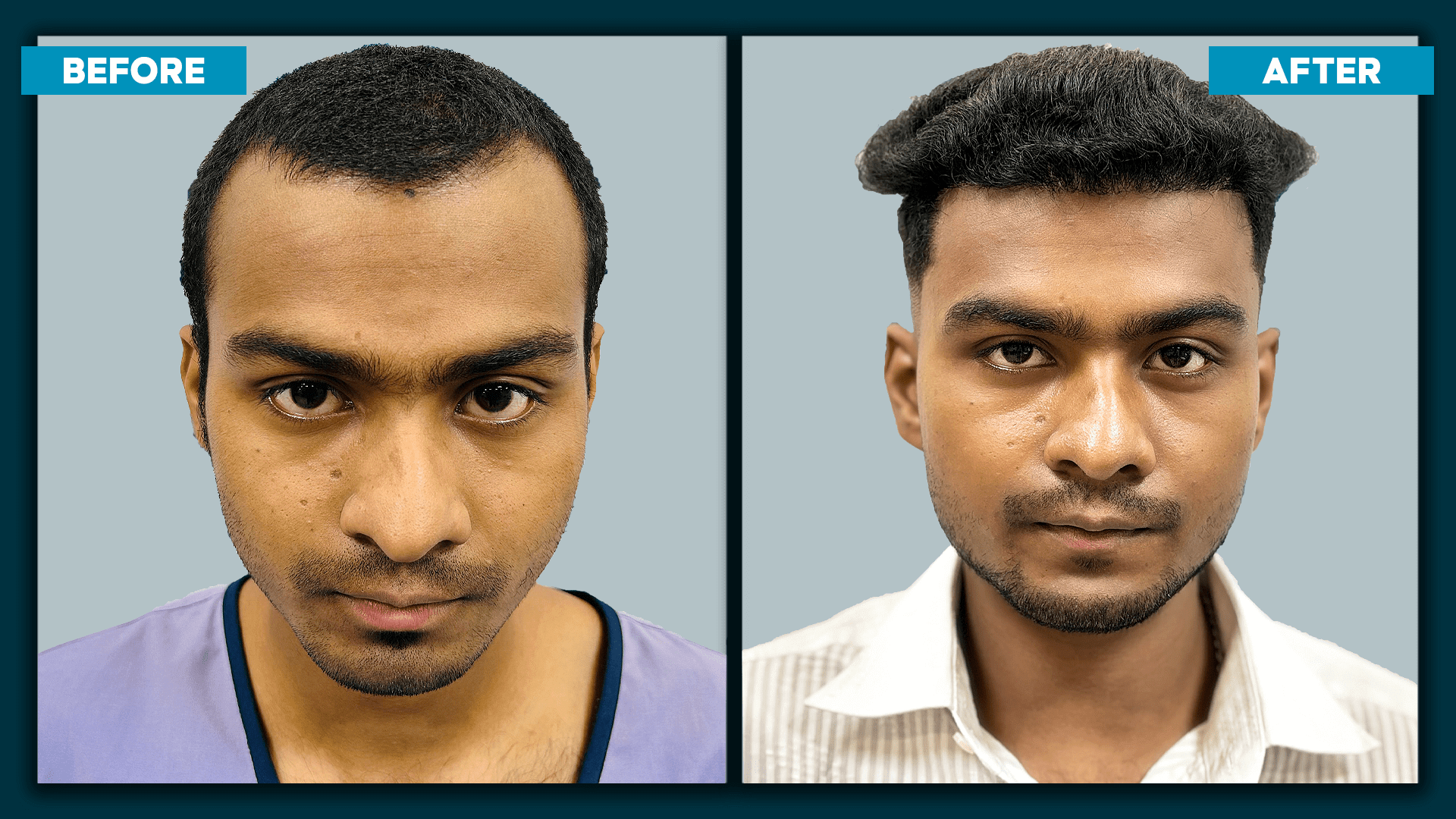
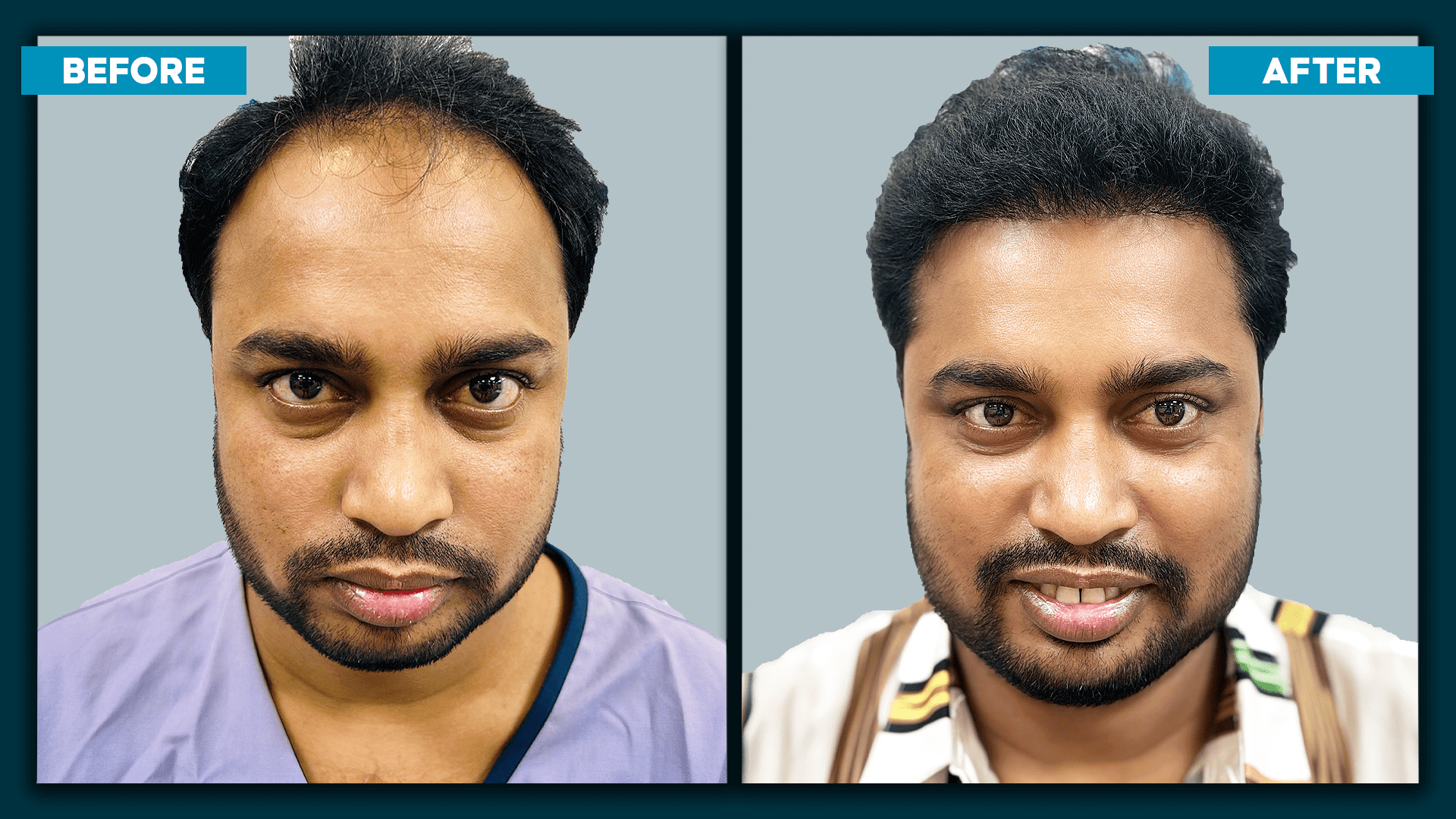
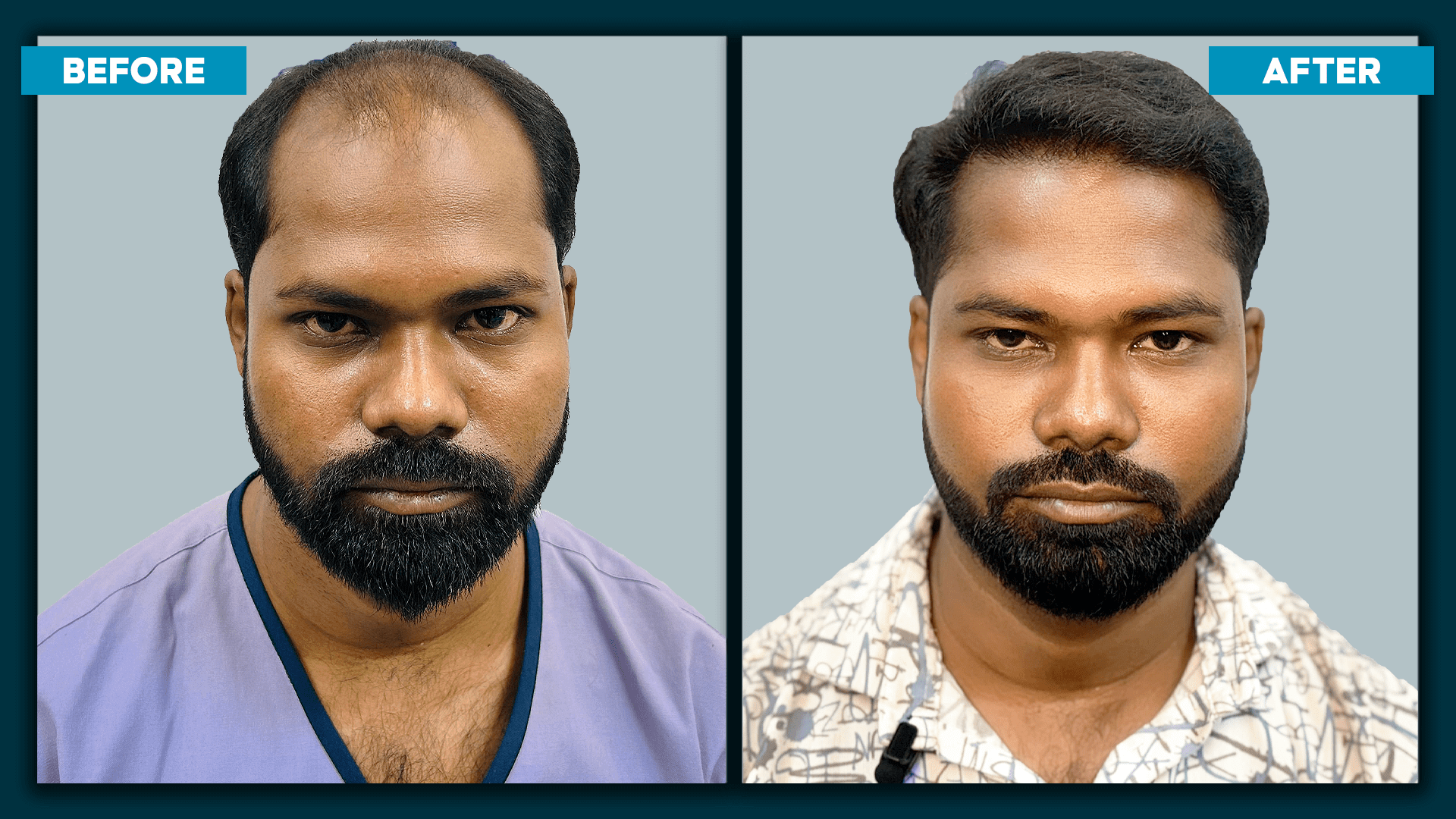
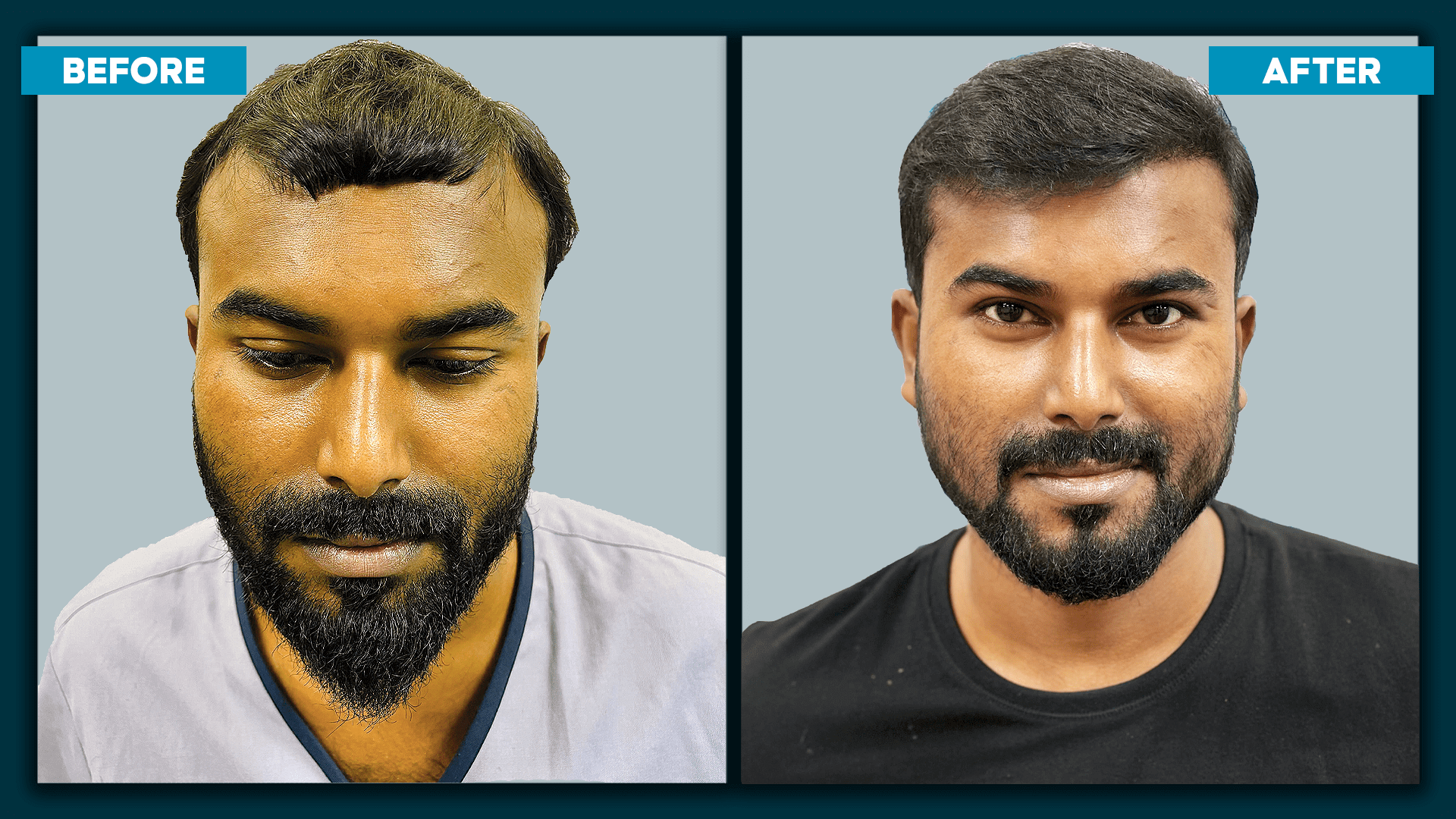
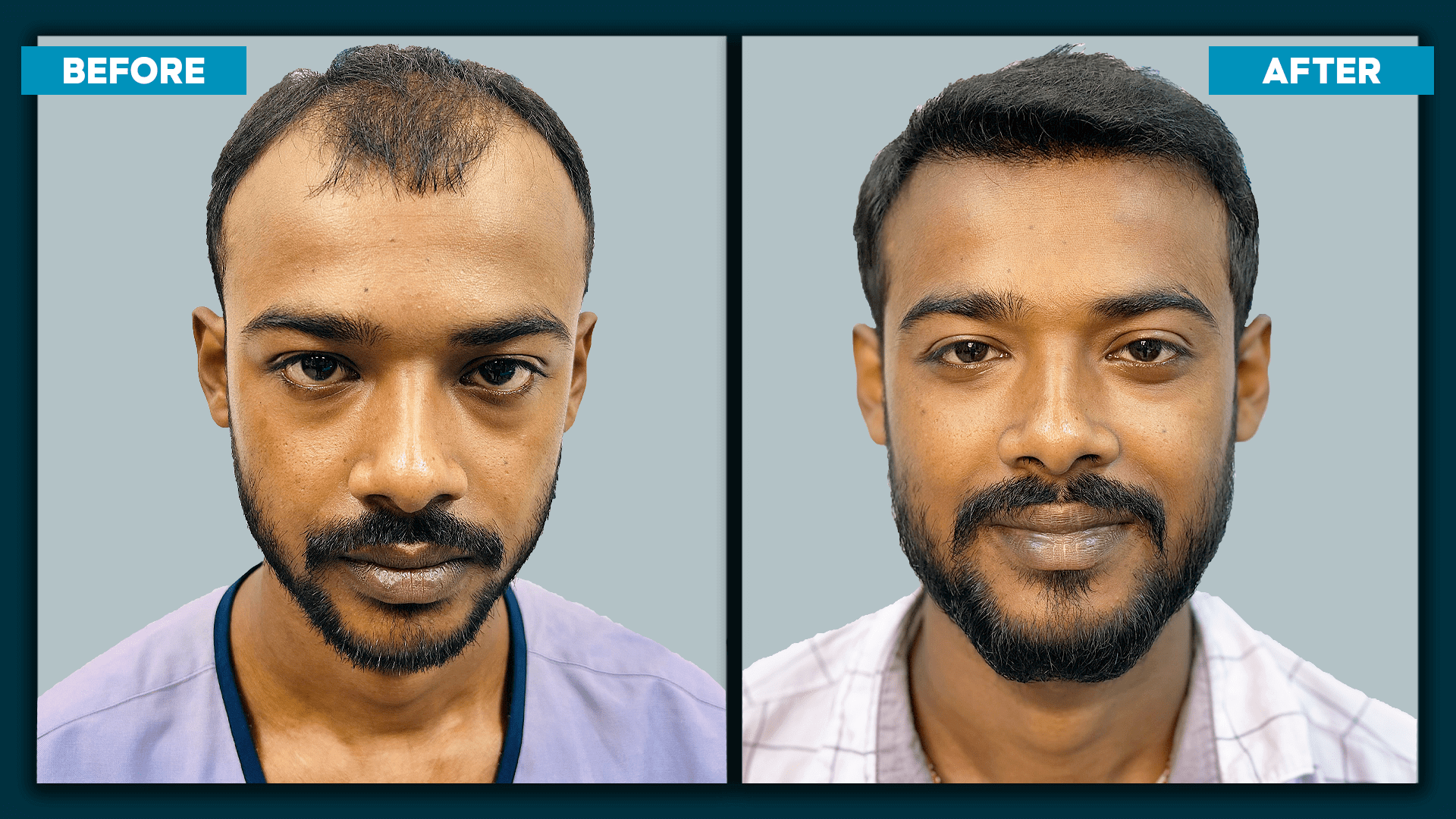
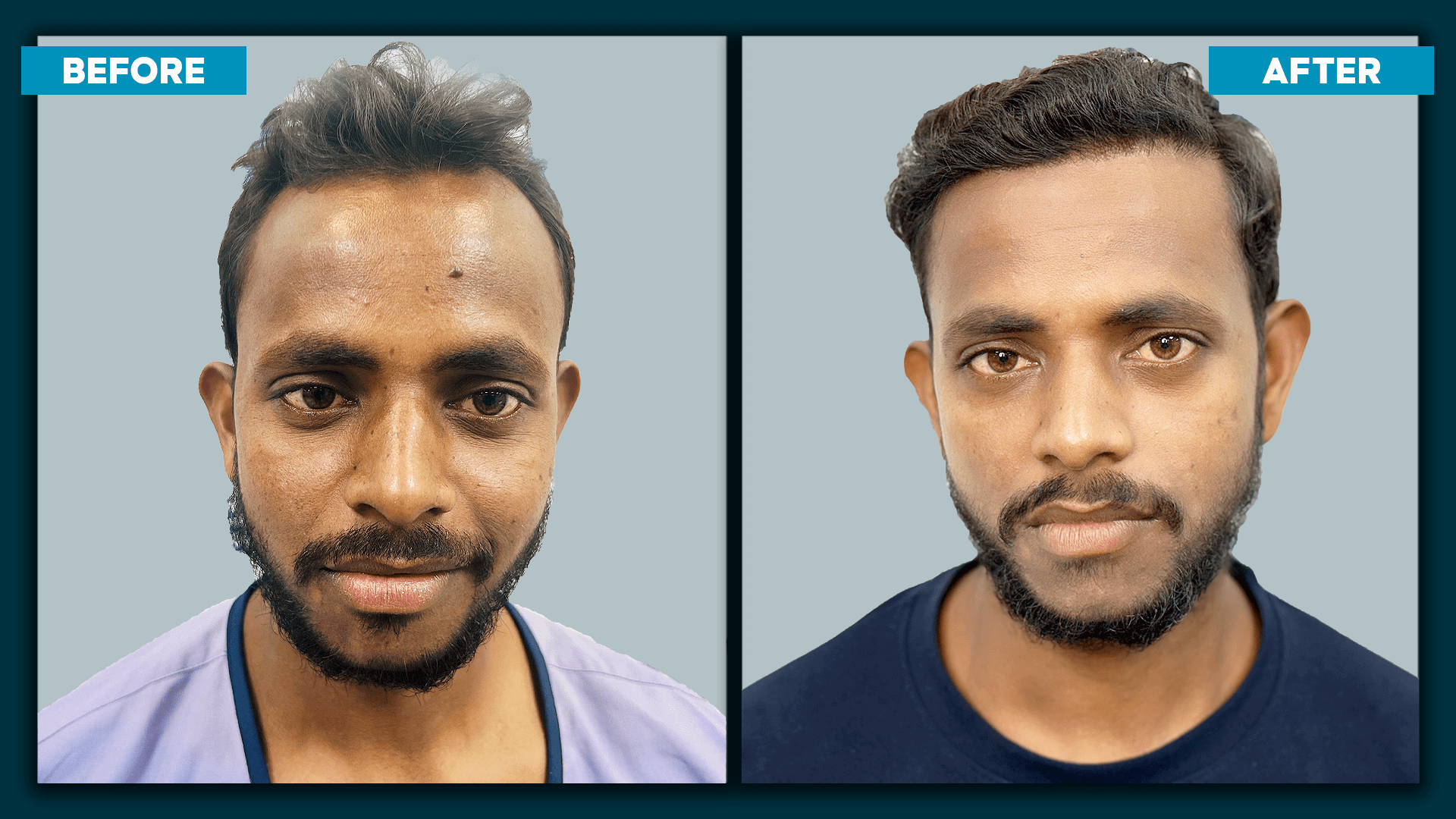
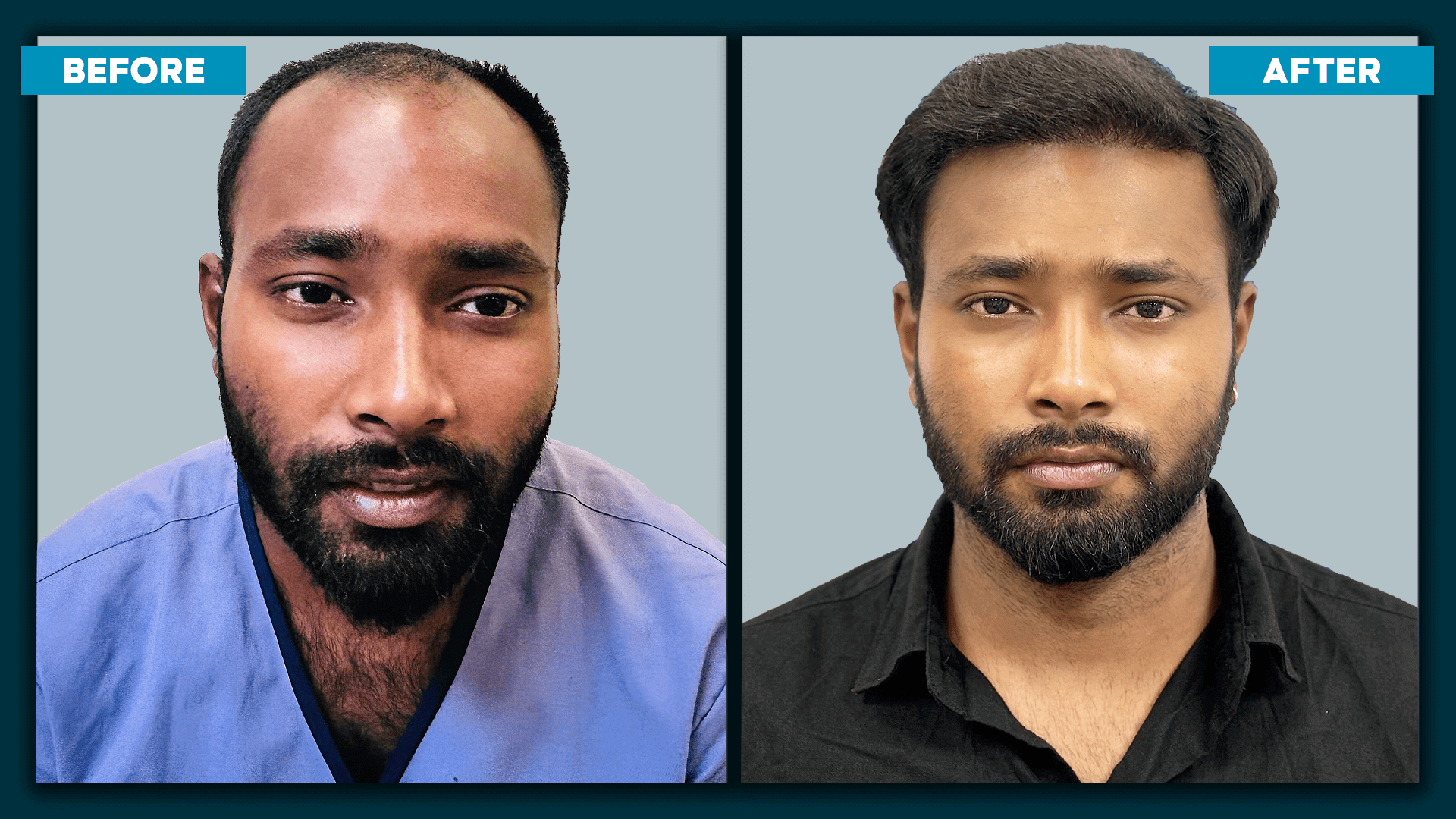
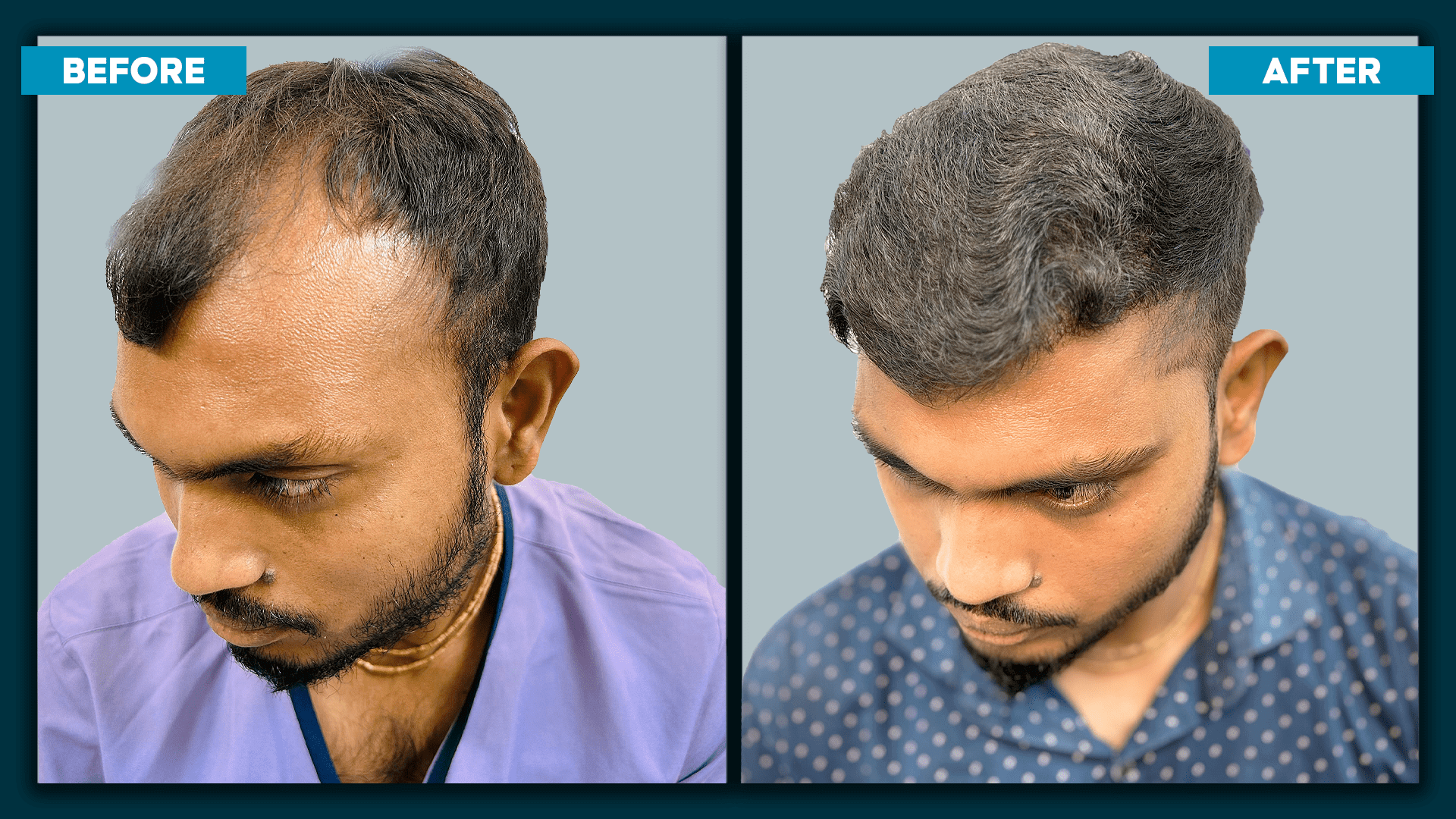
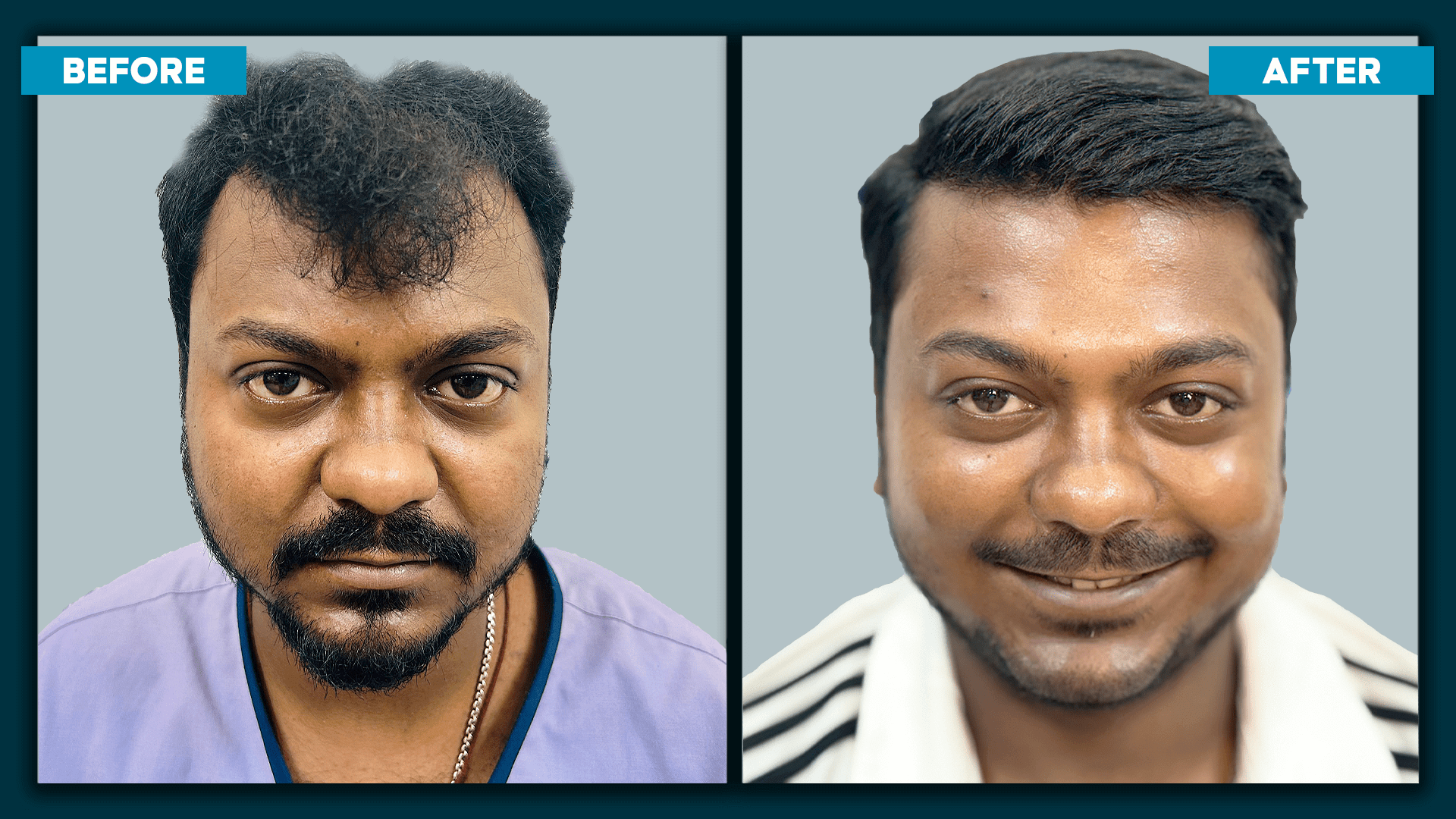
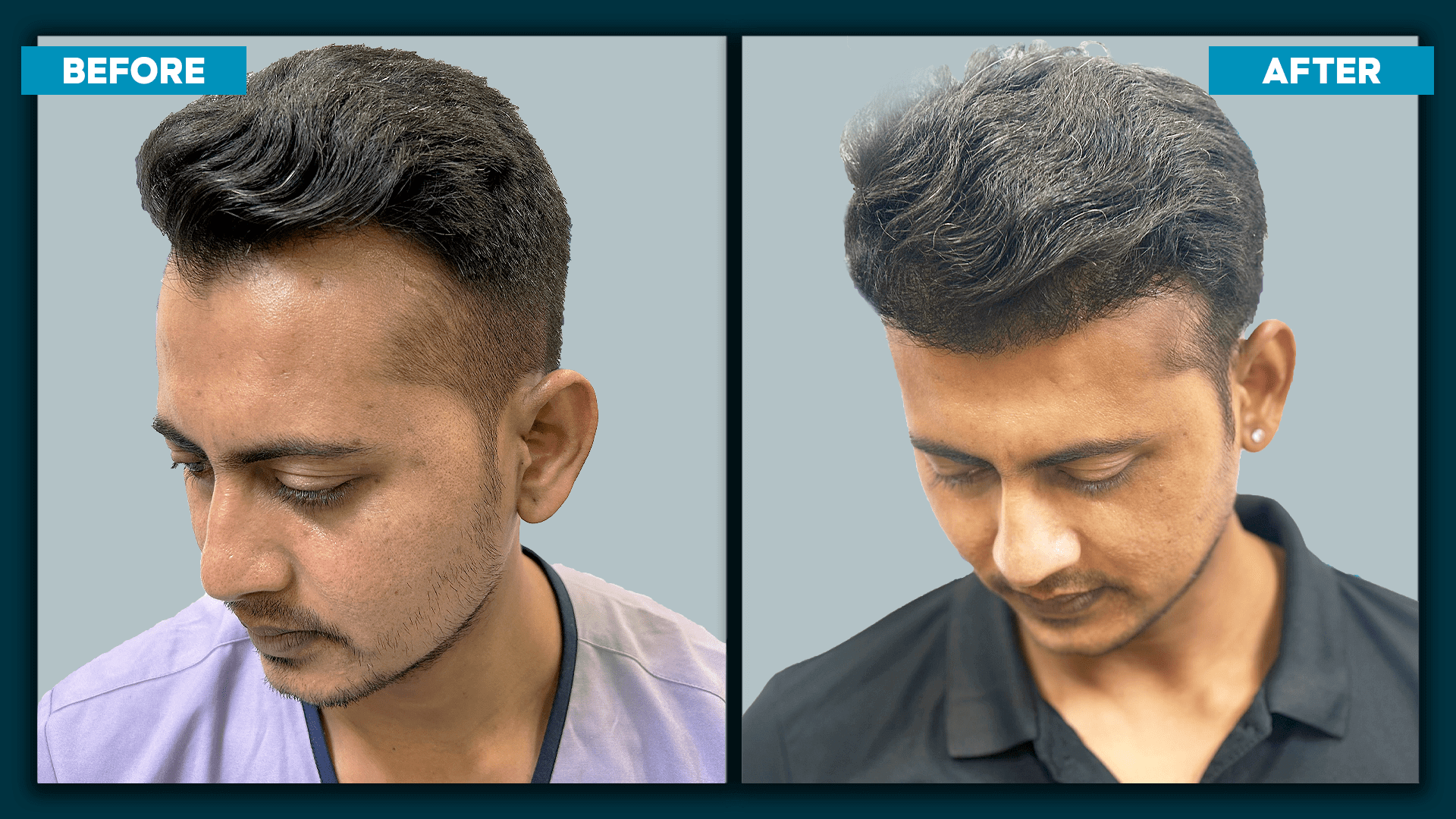
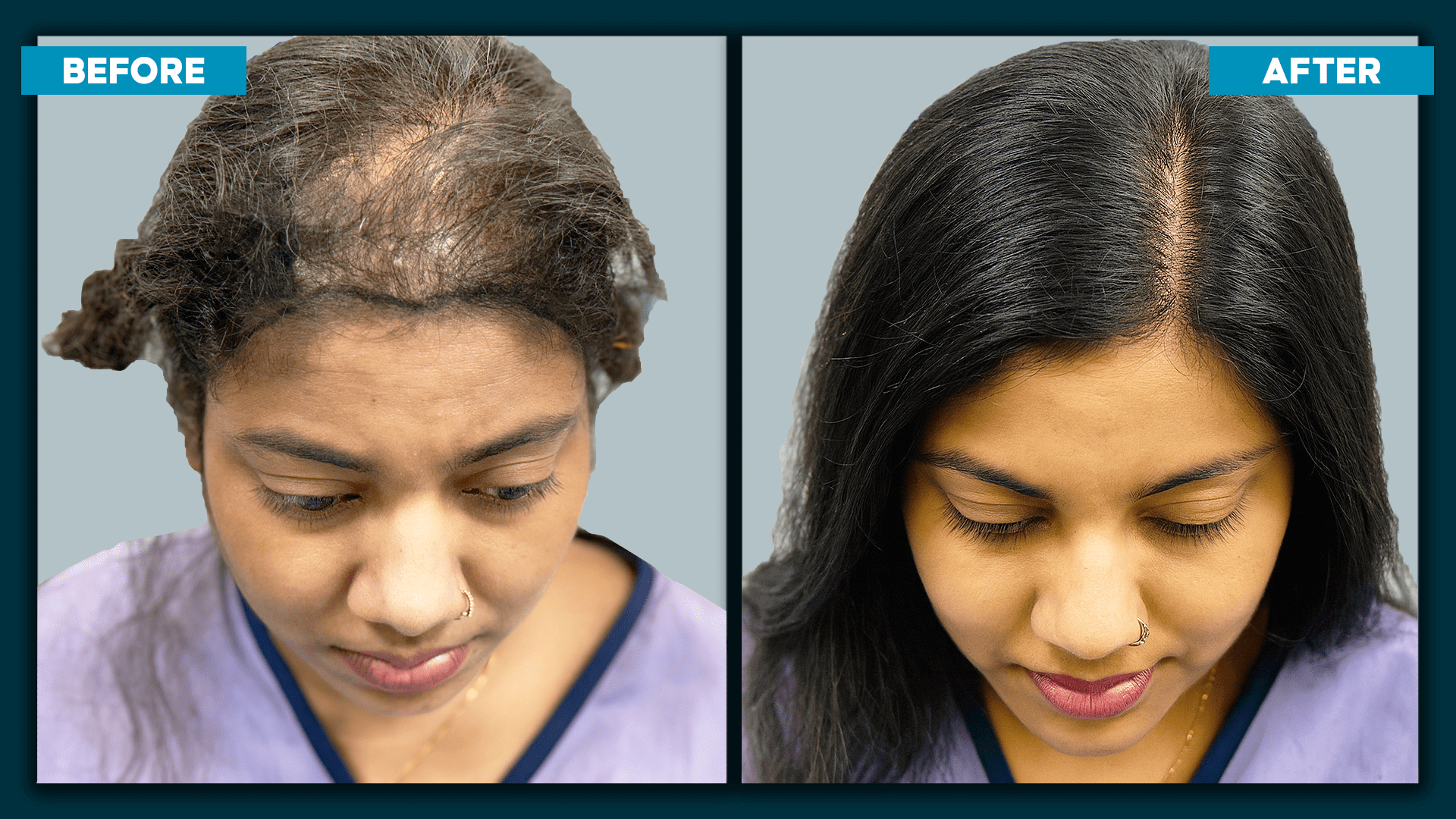
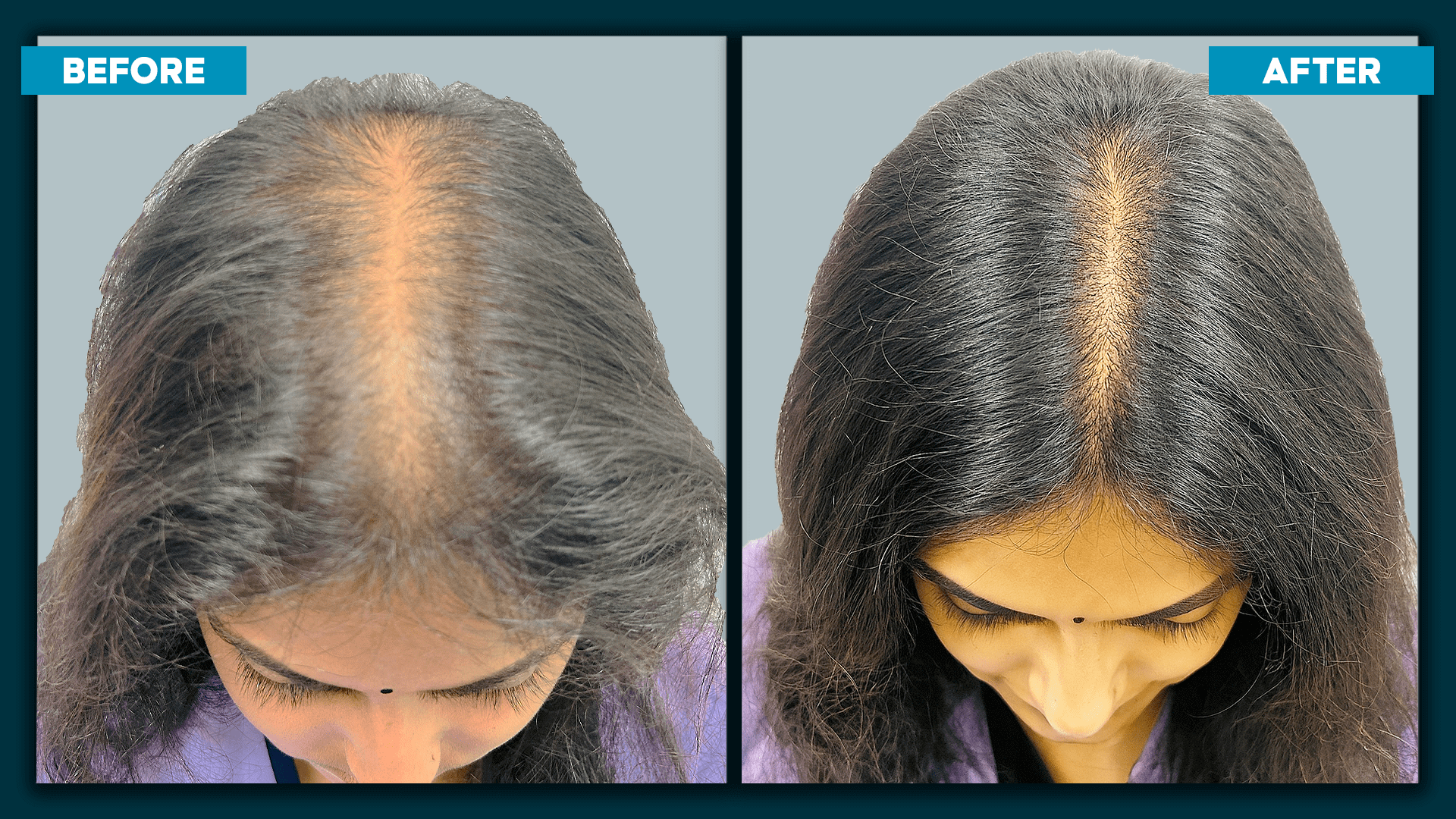
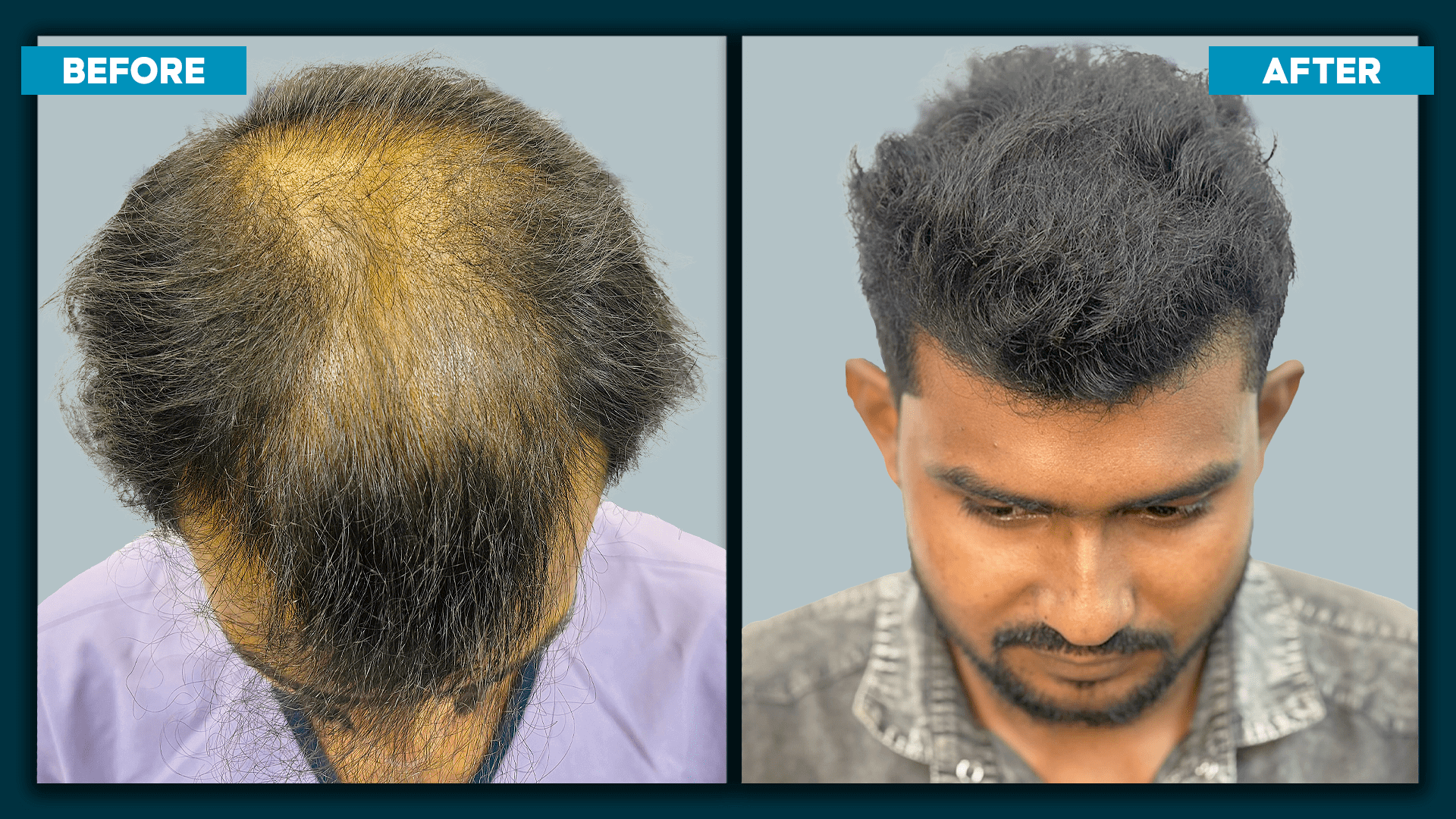
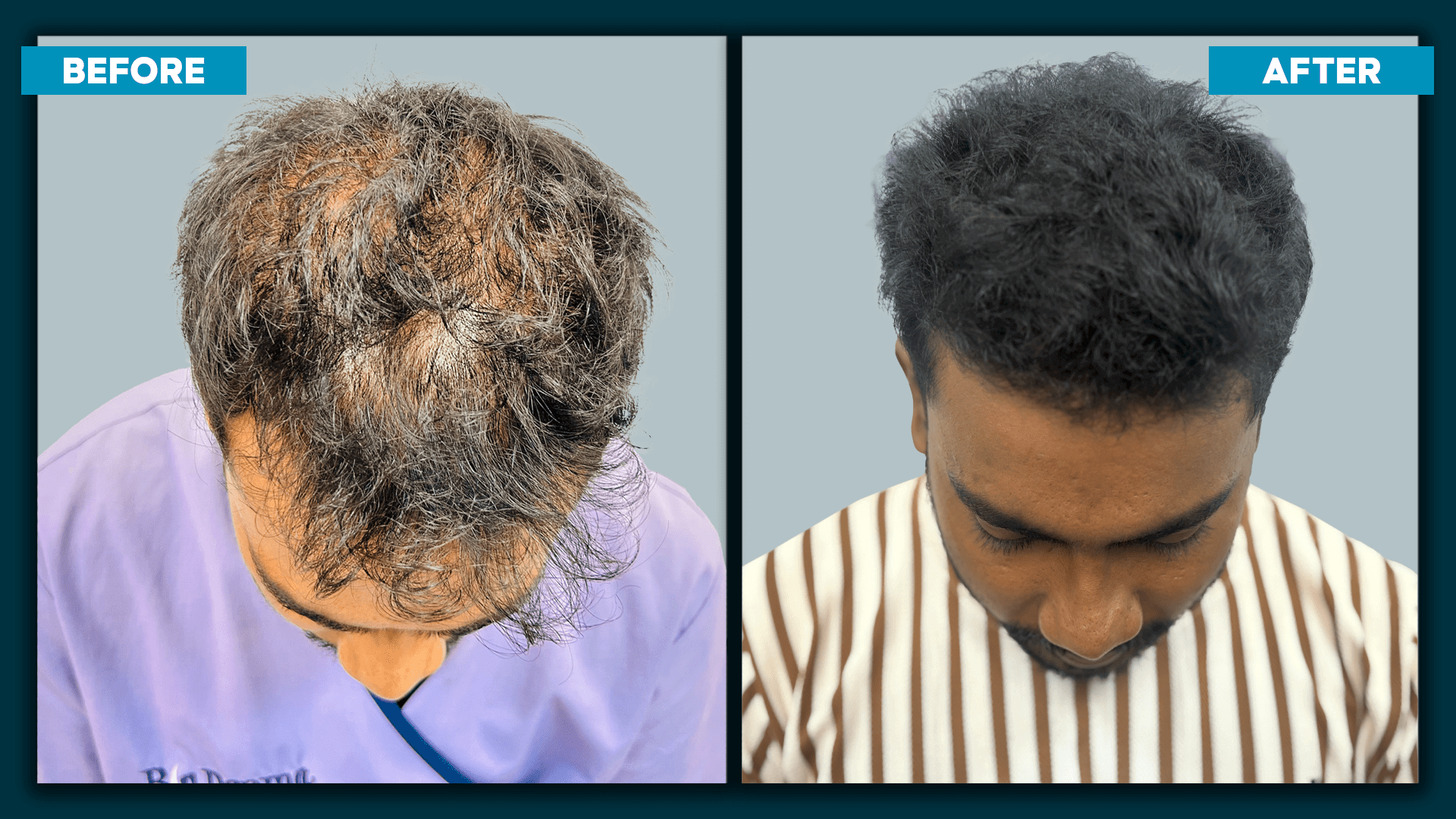
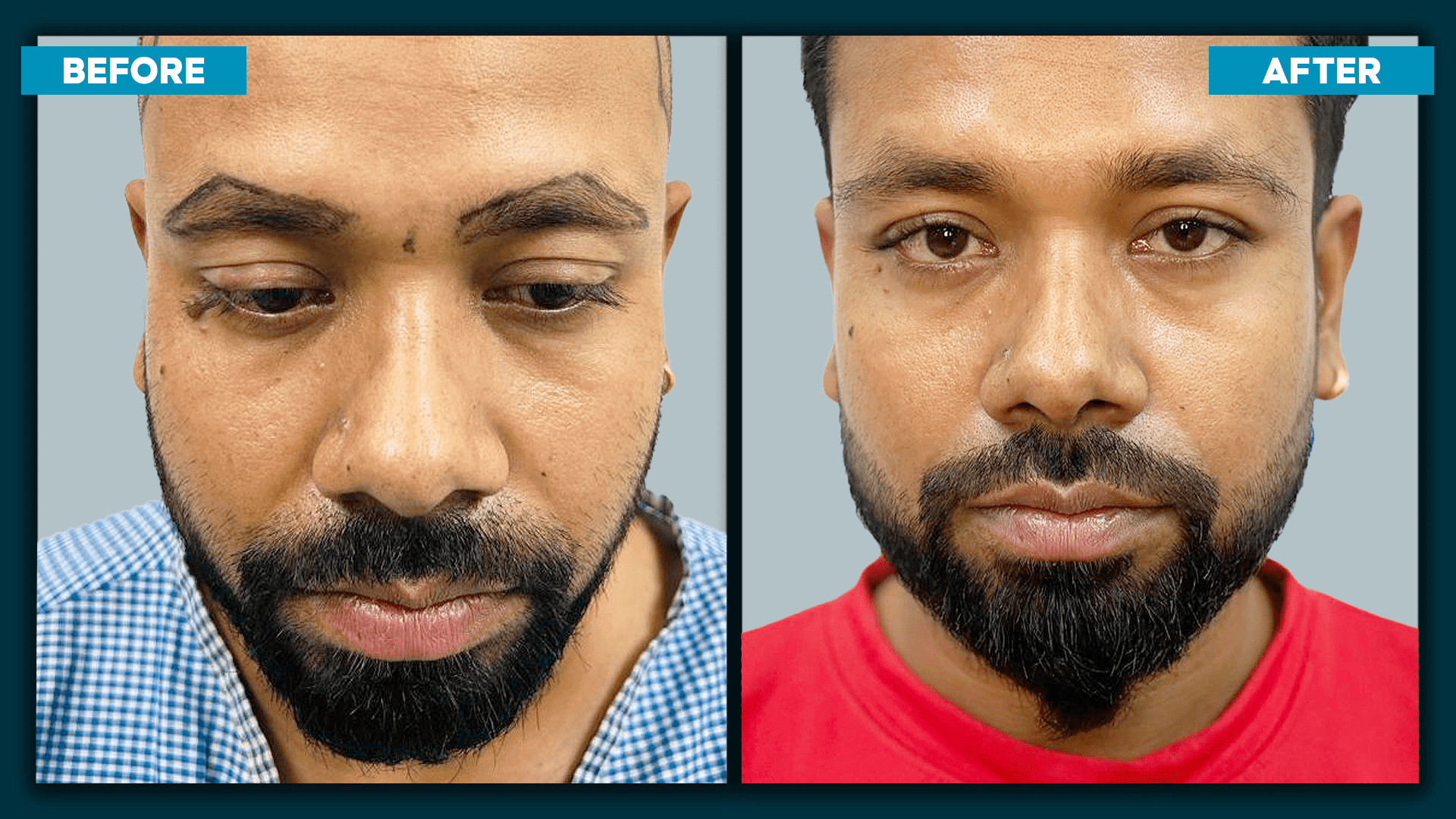
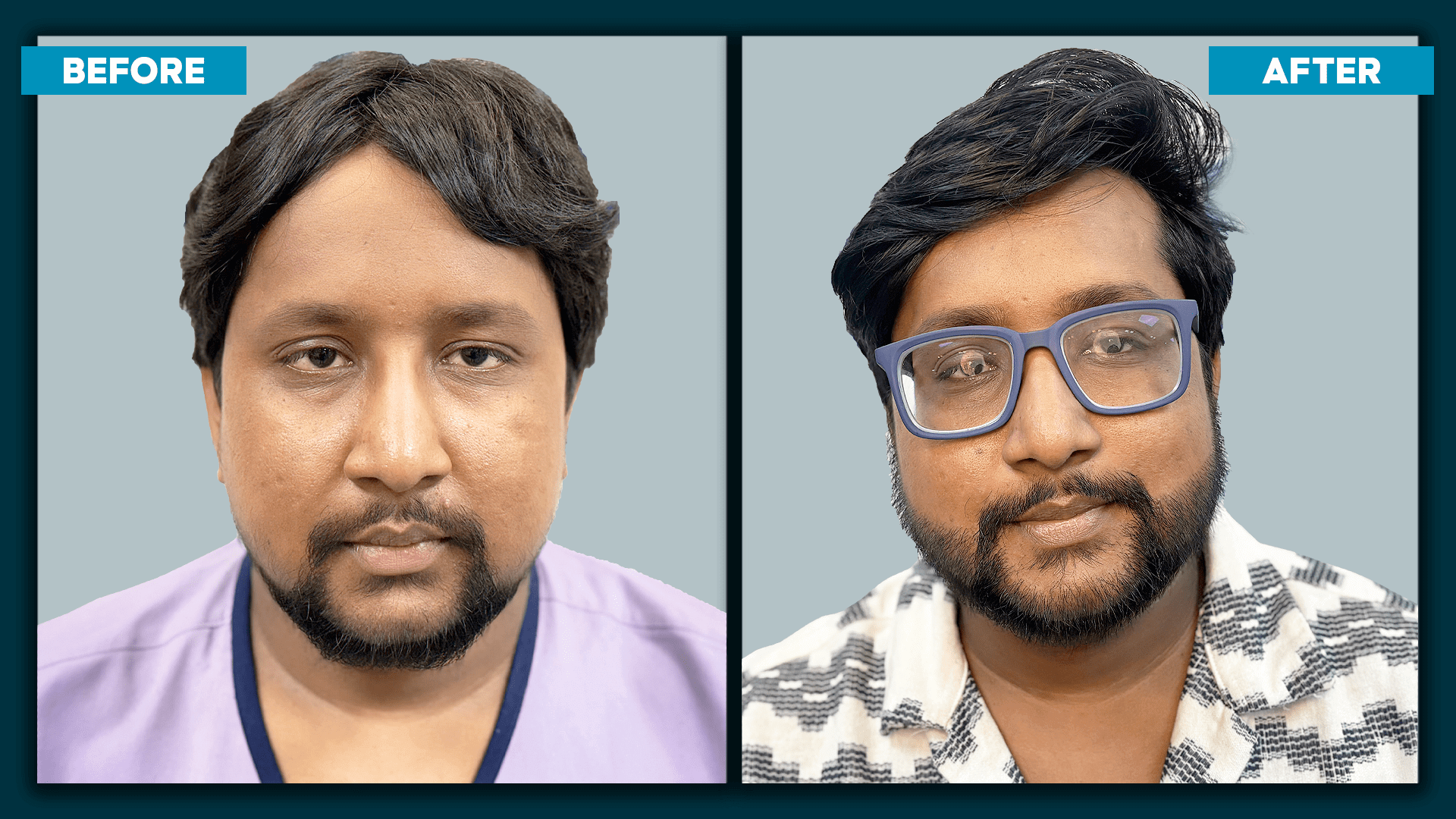
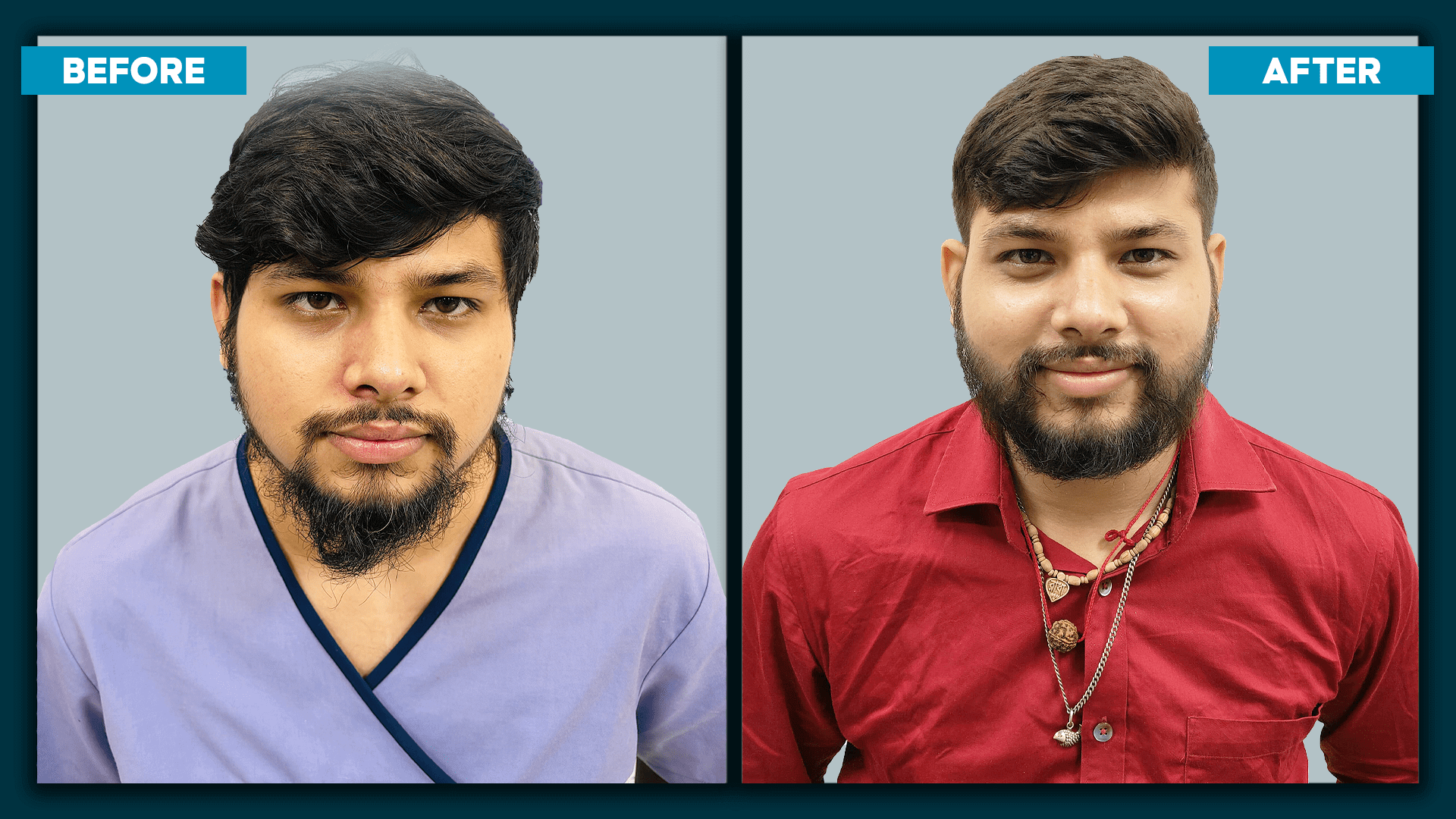
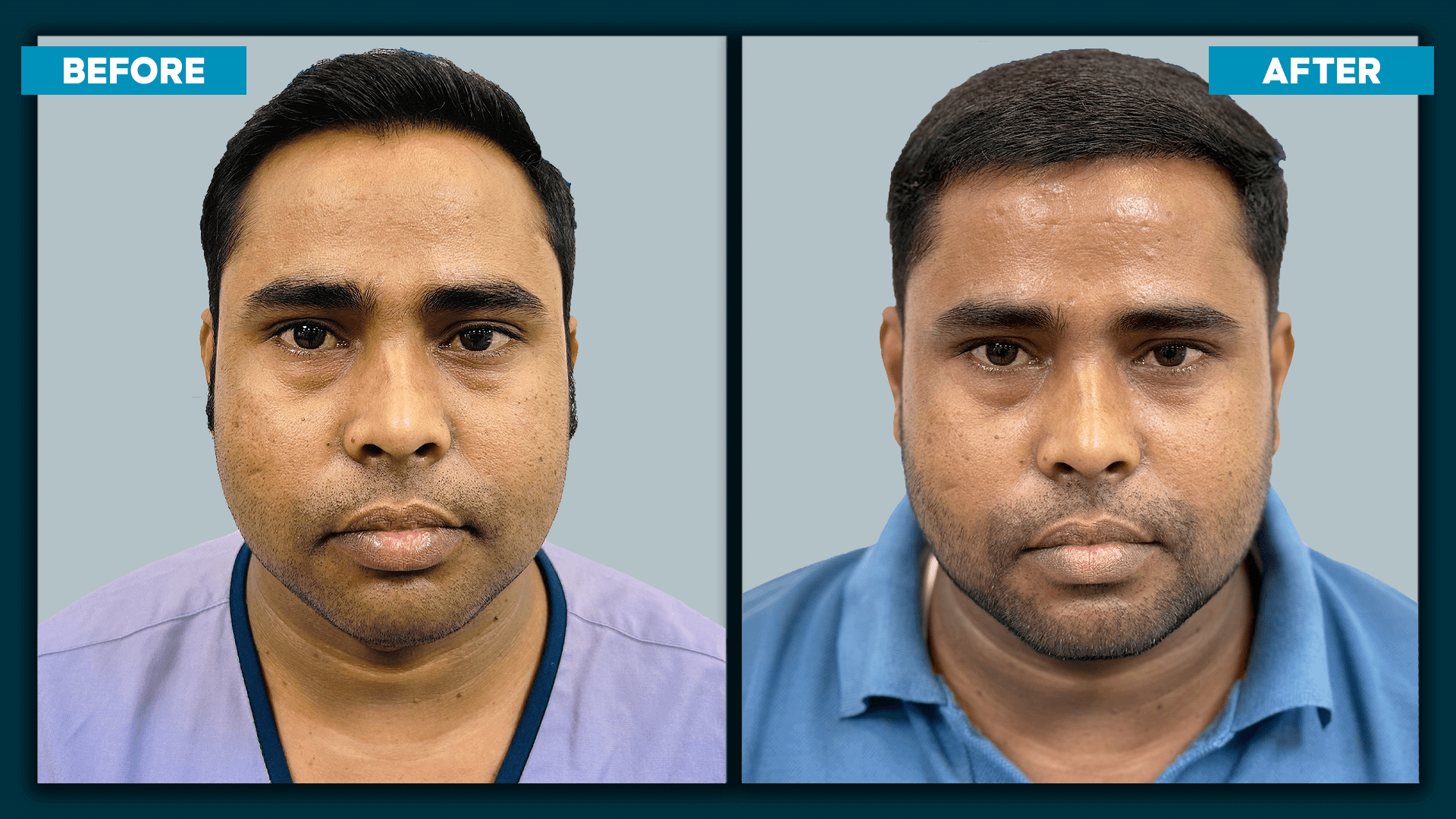
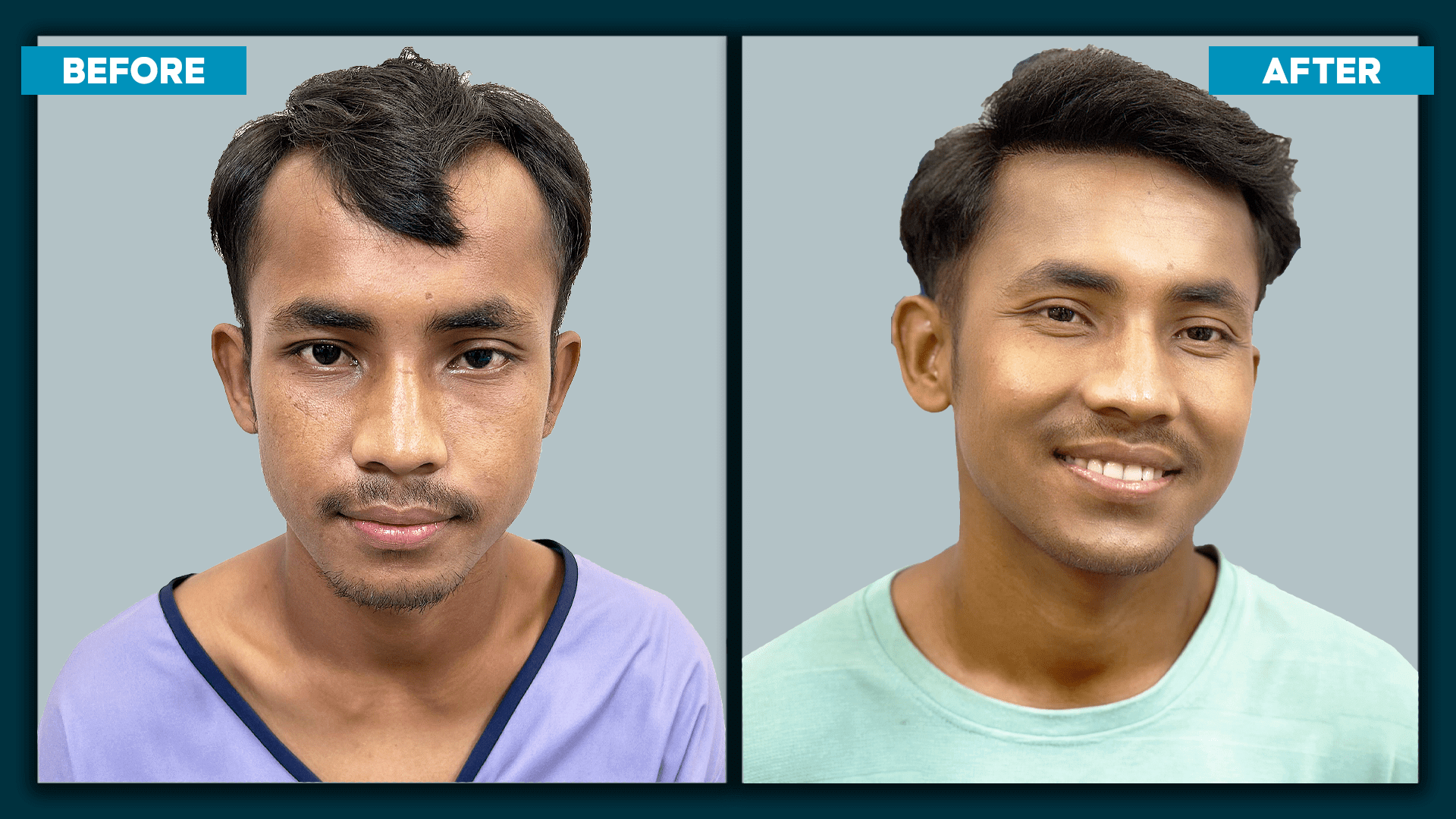
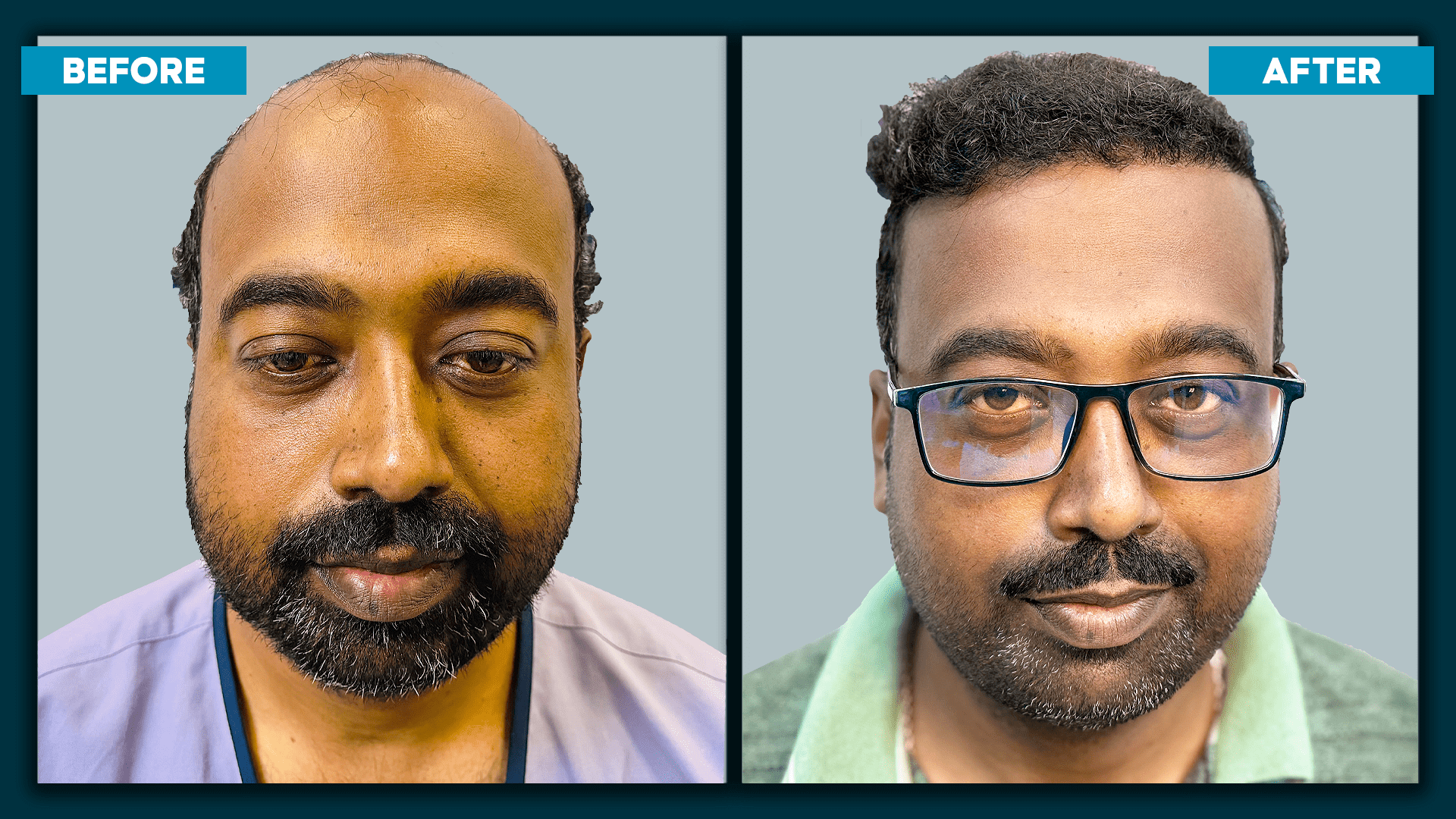
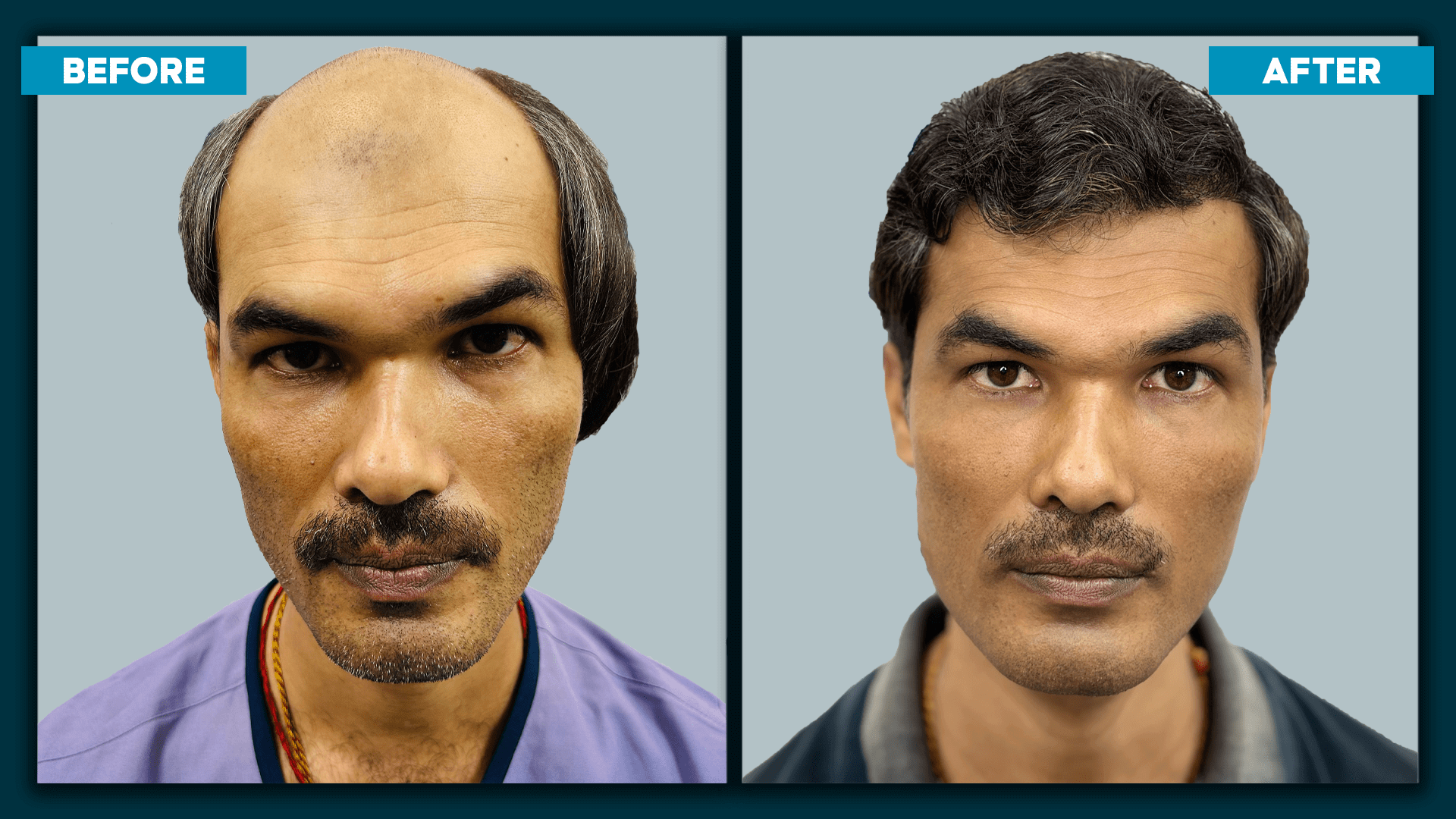
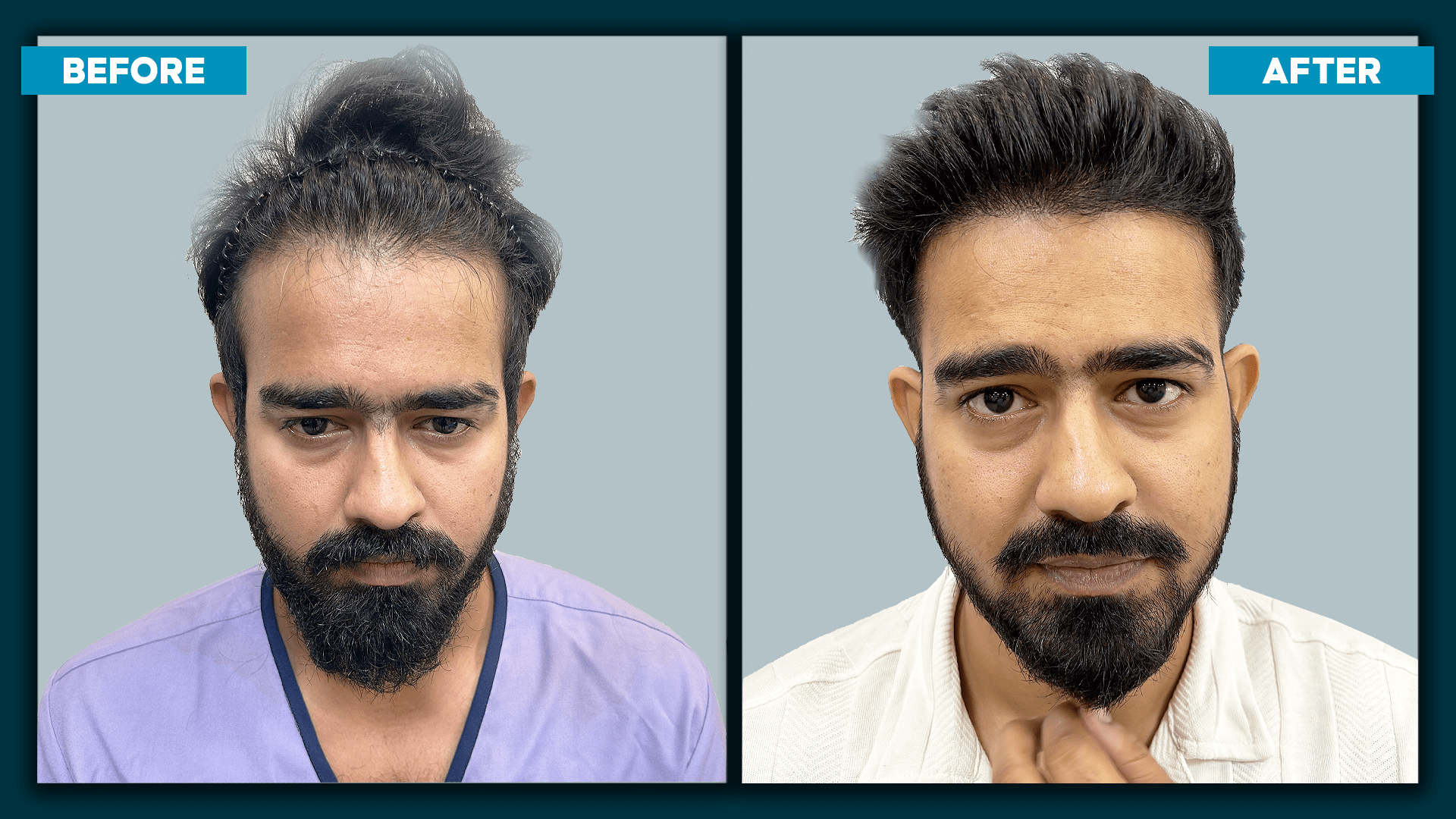
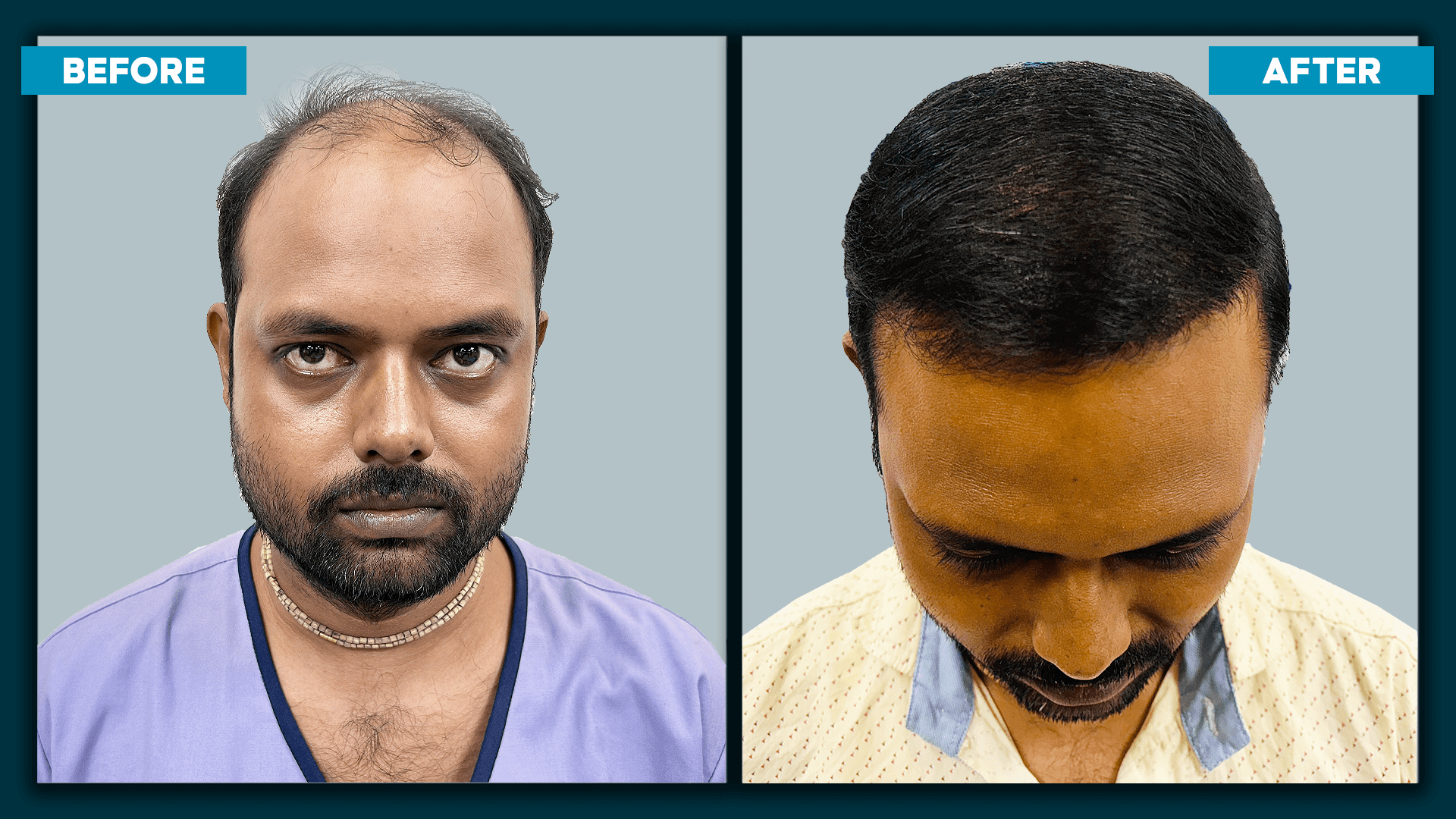
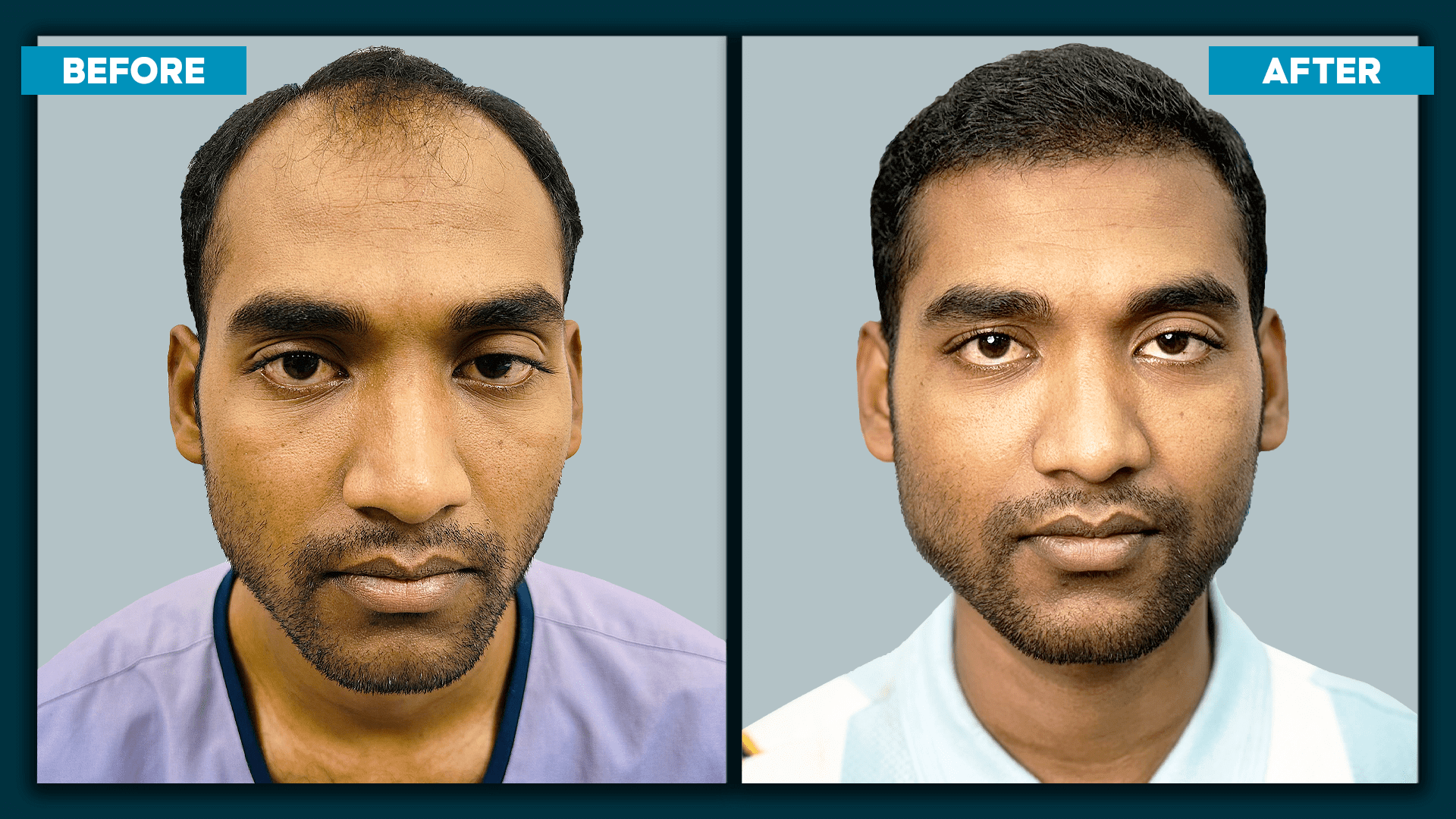
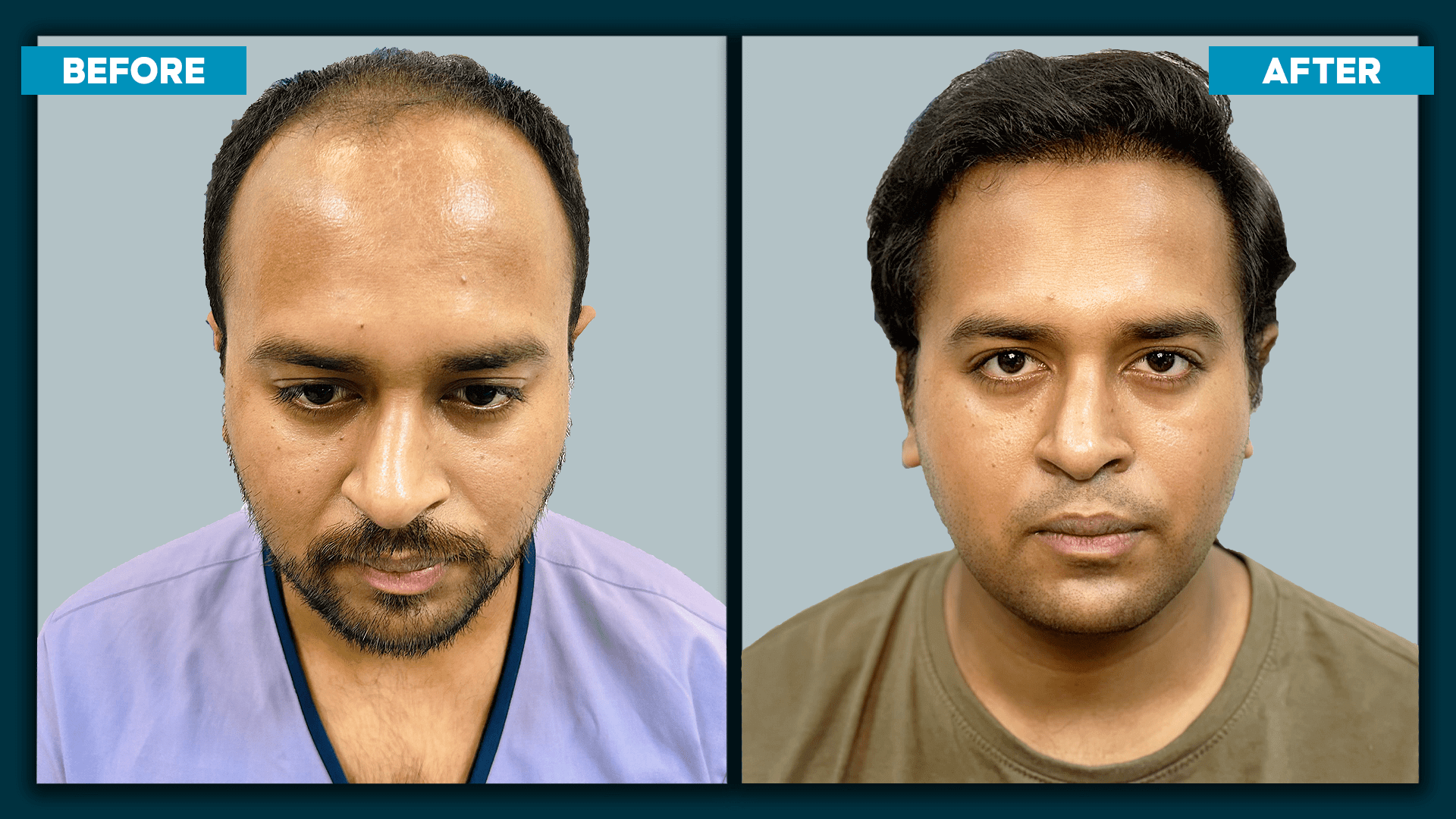
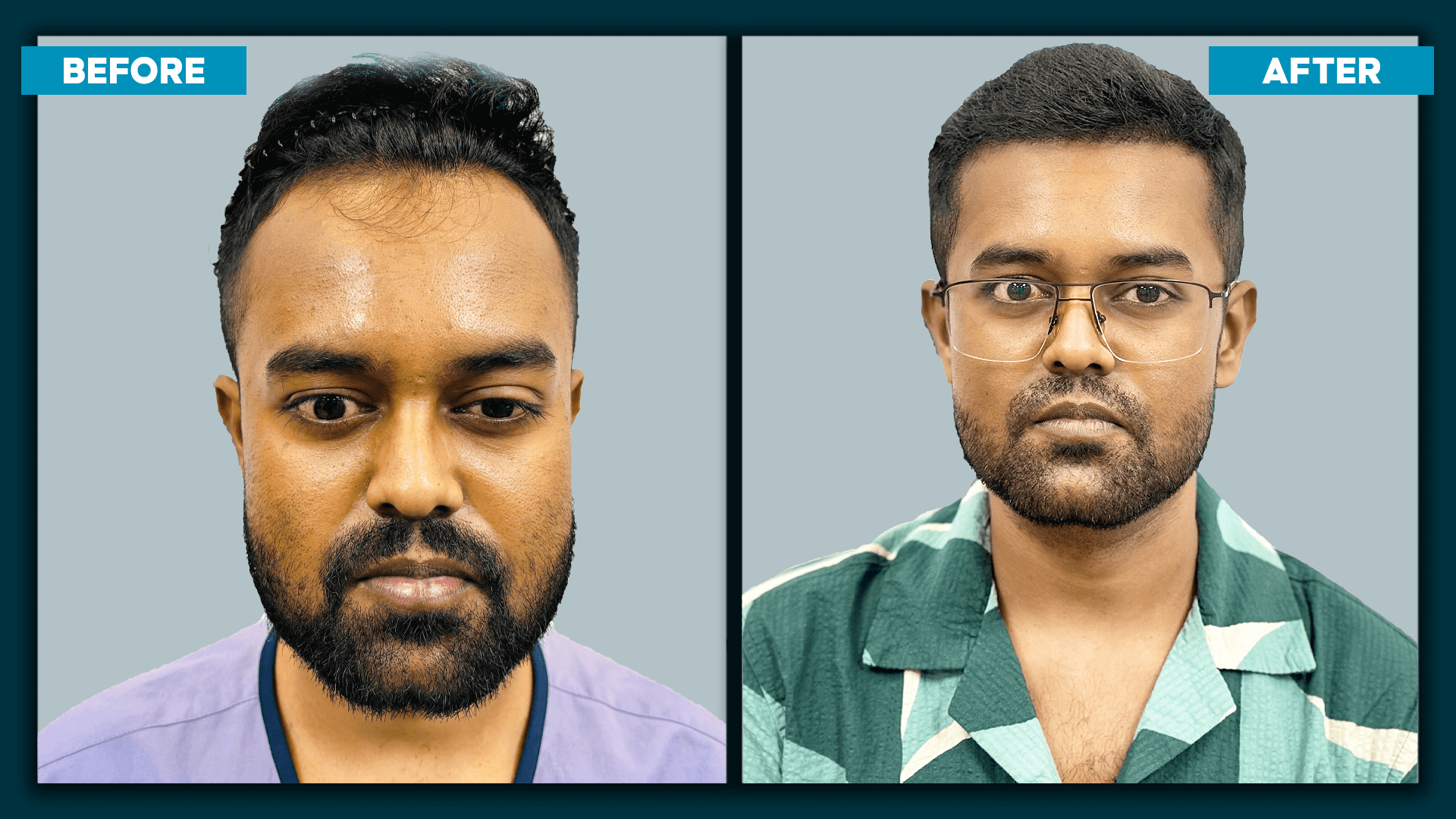
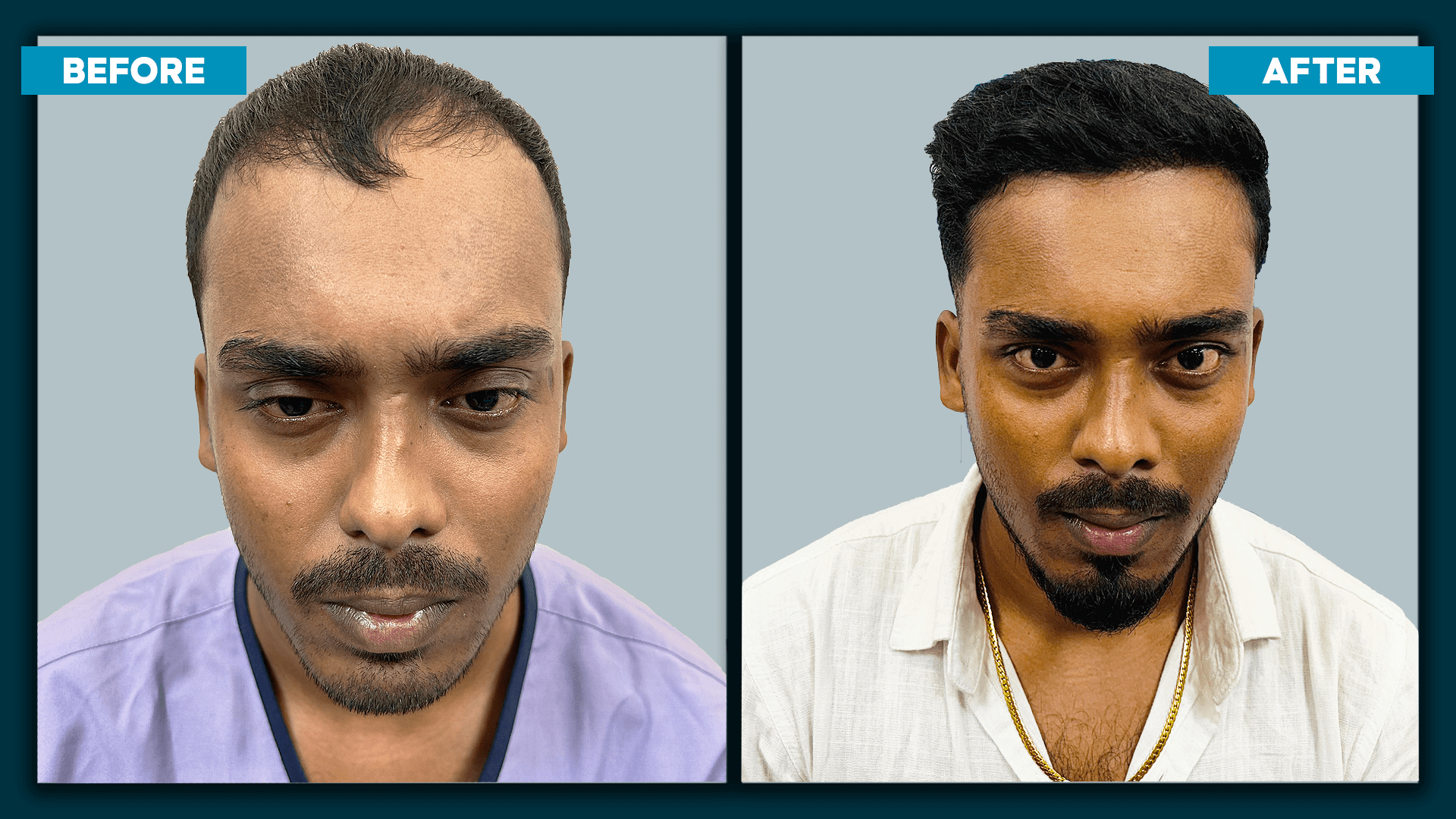
Why Choose Big Derma for the Best Hair Transplant Clinic in Kolkata?
BEST HAIR TRANSPLANT RESULT
99.3% SURVIVAL RATE
MOST AESTHETIC NATURAL HAIR LINE
PAINLESS AND FULLY SAFE PROCEDURE
HIGHLY SKILLED & EXPERIENCED DOCTORS
10+ YEARS OF EXPERIENCE
comprehensive pre and post operative care
AFFORDABLE TREATMENT PLANS
- Led by a qualified specialist, not just technicians: Every case at Big Derma is planned and overseen by our lead hair transplant specialist, registered with the West Bengal Medical Council, with hands-on experience across FUE, DHI, and Sapphire techniques. Your consultation is with the person who will actually perform your procedure — not a sales counselor.
- Technique fit, not technique hype: We offer FUE, Sapphire FUE, and DHI. The right choice depends on your donor density, the graft count you need, and your budget — and we'll tell you plainly which technique suits your case rather than steering you toward the most expensive option.
- Outcomes we can walk you through: Rather than quoting a single headline statistic, we're happy to show you real case examples during consultation — similar hair loss patterns, the technique used, and how the results looked over time. Ask us directly and we'll pull up comparable cases to yours.
- Real patient outcomes, shown in full: Our results gallery and video testimonials are drawn from actual patients, dated by month and stage of regrowth, so you can see what a result looks like at 3 months versus 12 months rather than a single "after" photo.
- A sterile, standards-based facility: Procedures are carried out in a dedicated operation theatre following standard surgical sterilization and infection-control protocols, with single-use instruments where applicable.
- Straightforward pricing: No package is finalized until you've had a consultation and we know your graft count — but we publish starting price ranges below so you're not walking in blind.
At Big Derma, we aim to be considered among the best hair transplant clinics in Kolkata by combining proven techniques, hands-on specialist involvement, and personalized patient care at every stage. Our approach is built on evidence-based treatment planning and internationally recognized hair transplant methods, including FUE, Sapphire FUE, and DHI. Rather than quoting a single blanket survival percentage, we assess graft retention and hairline design on a case-by-case basis during consultation, so you know what to realistically expect based on your own donor density and hair loss pattern — not an average drawn from cases unlike yours.
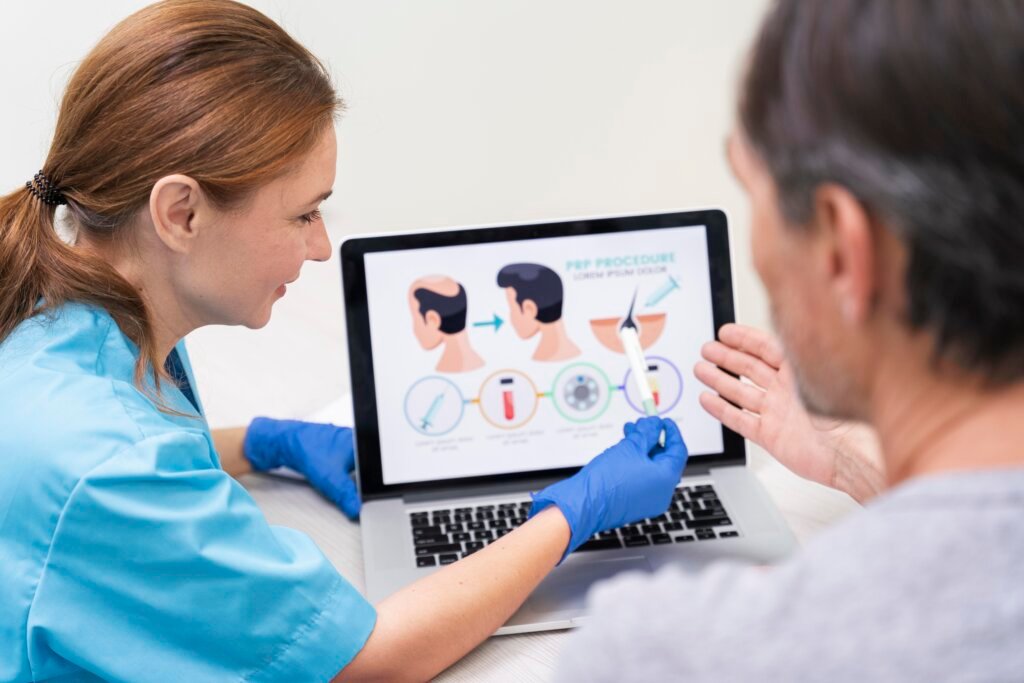
Hair Transplant Techniques We Offer

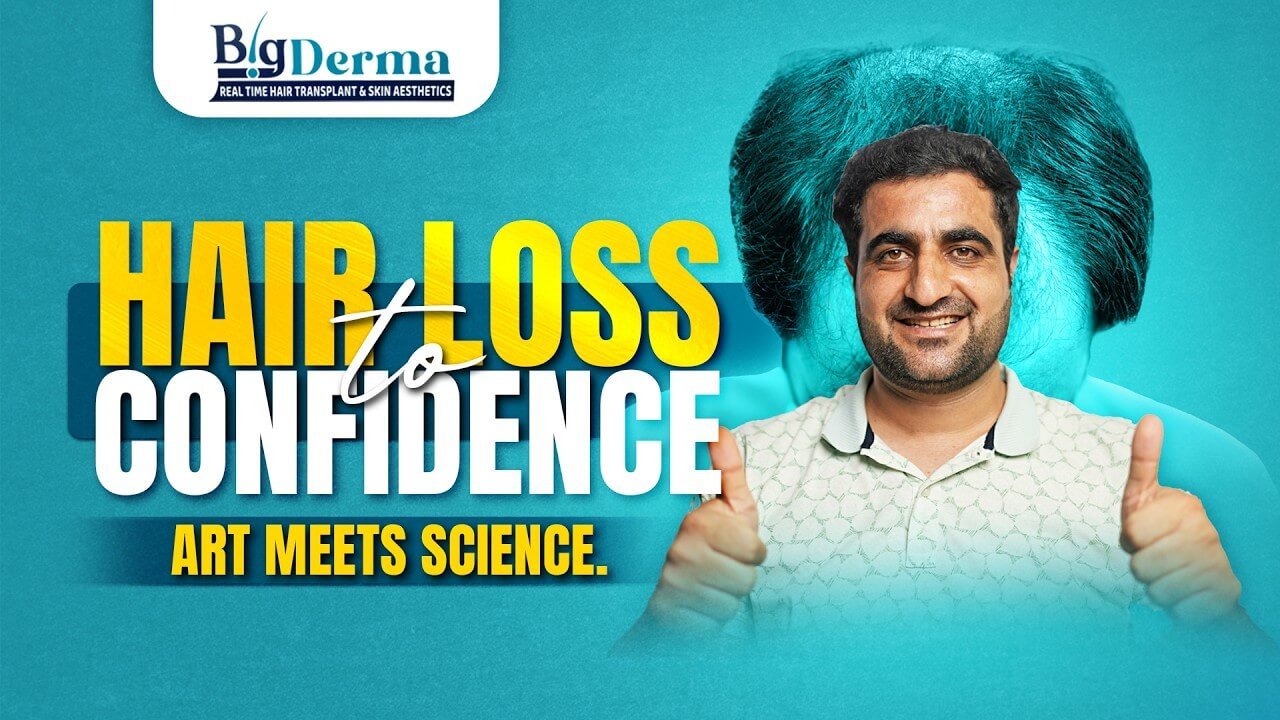
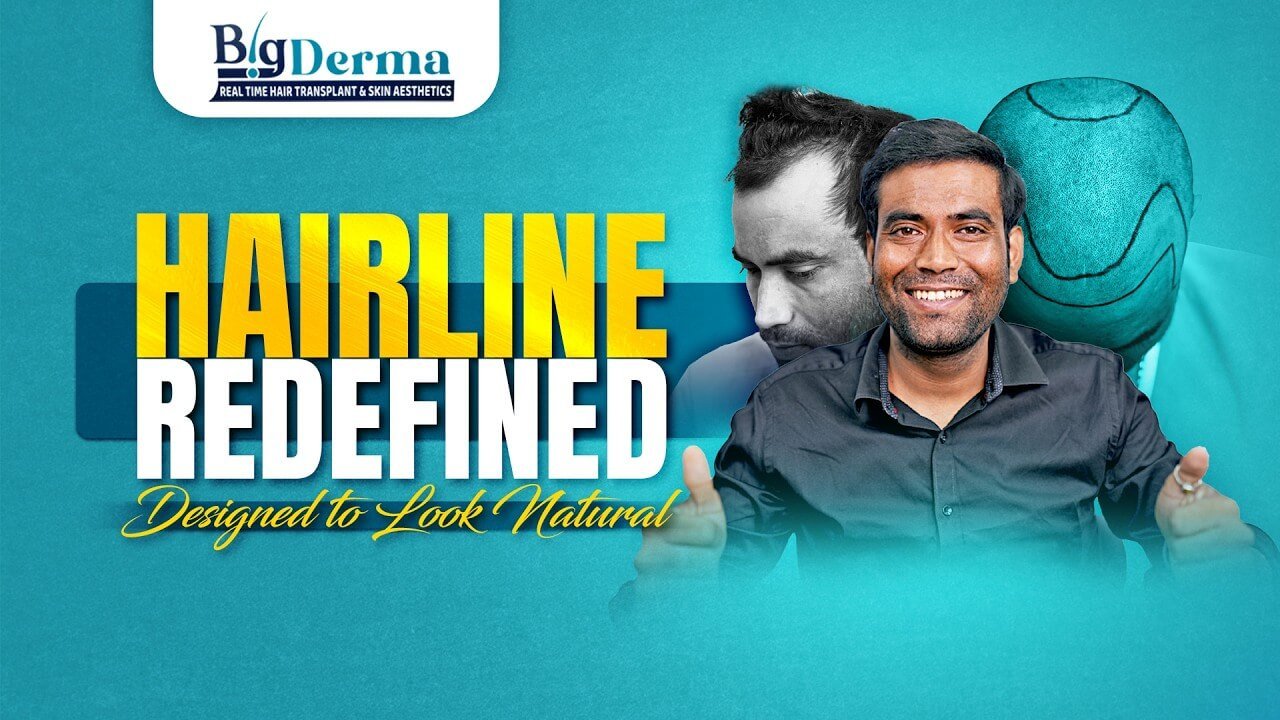
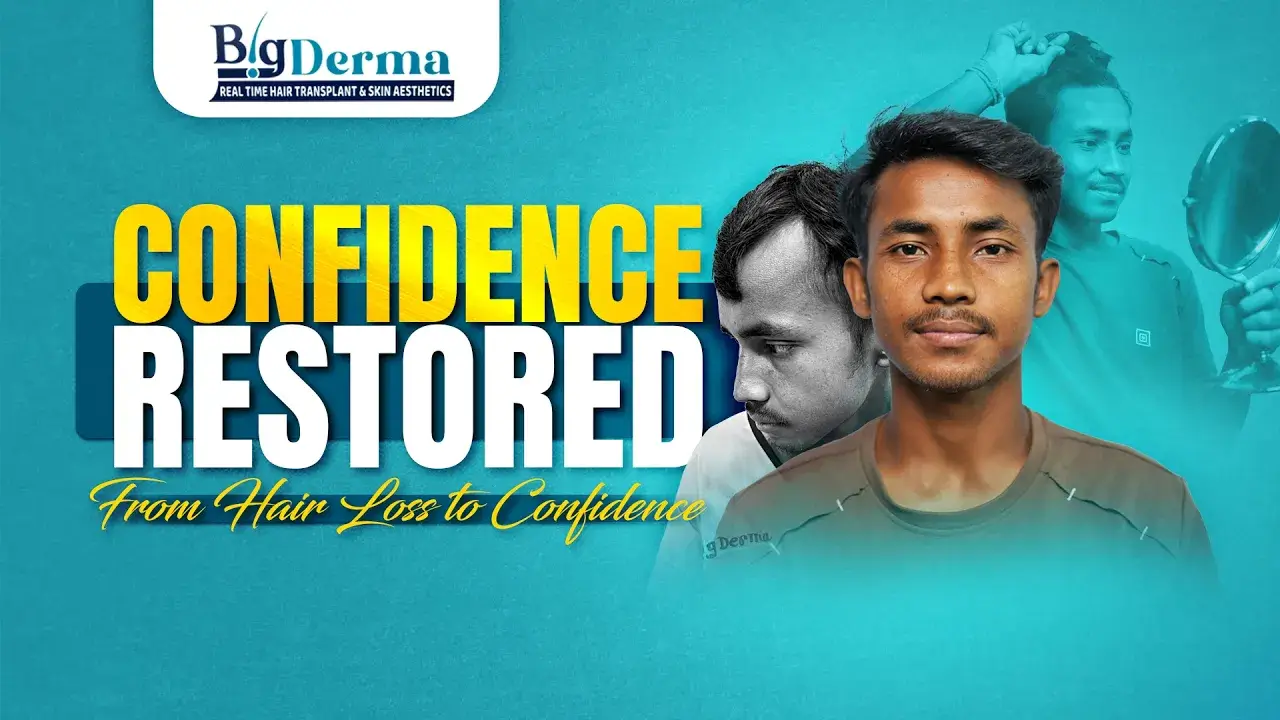
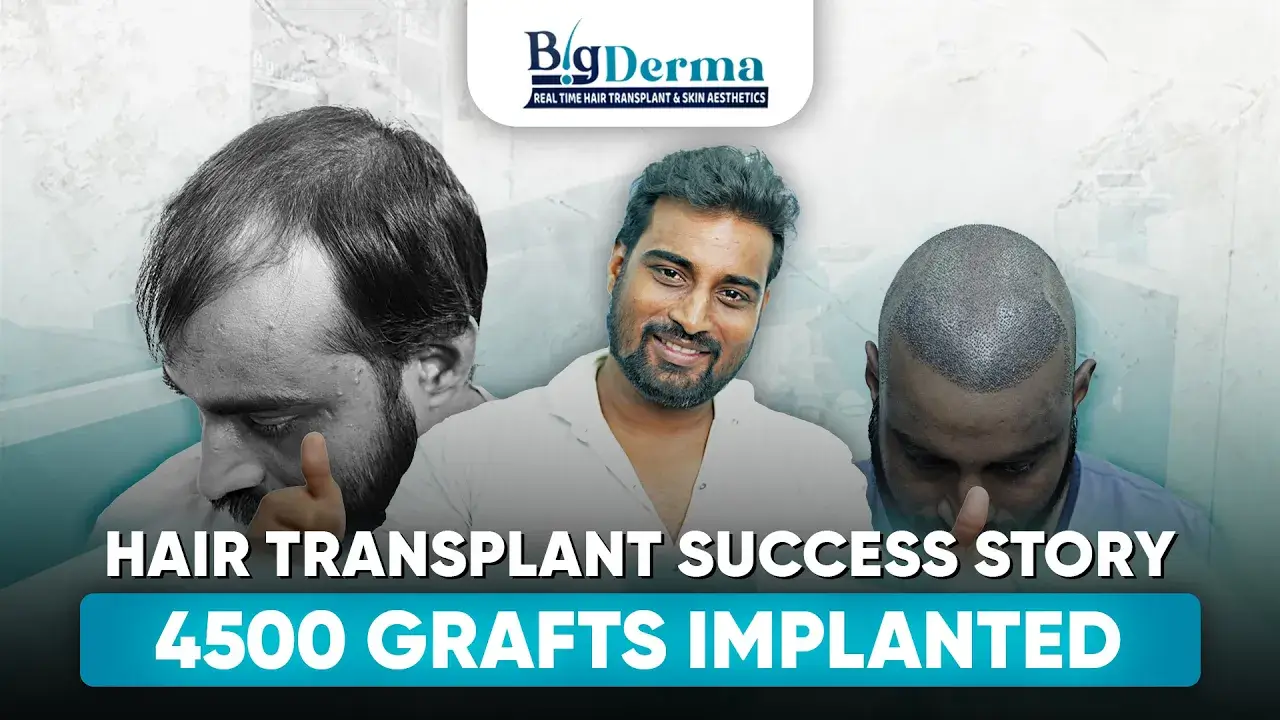
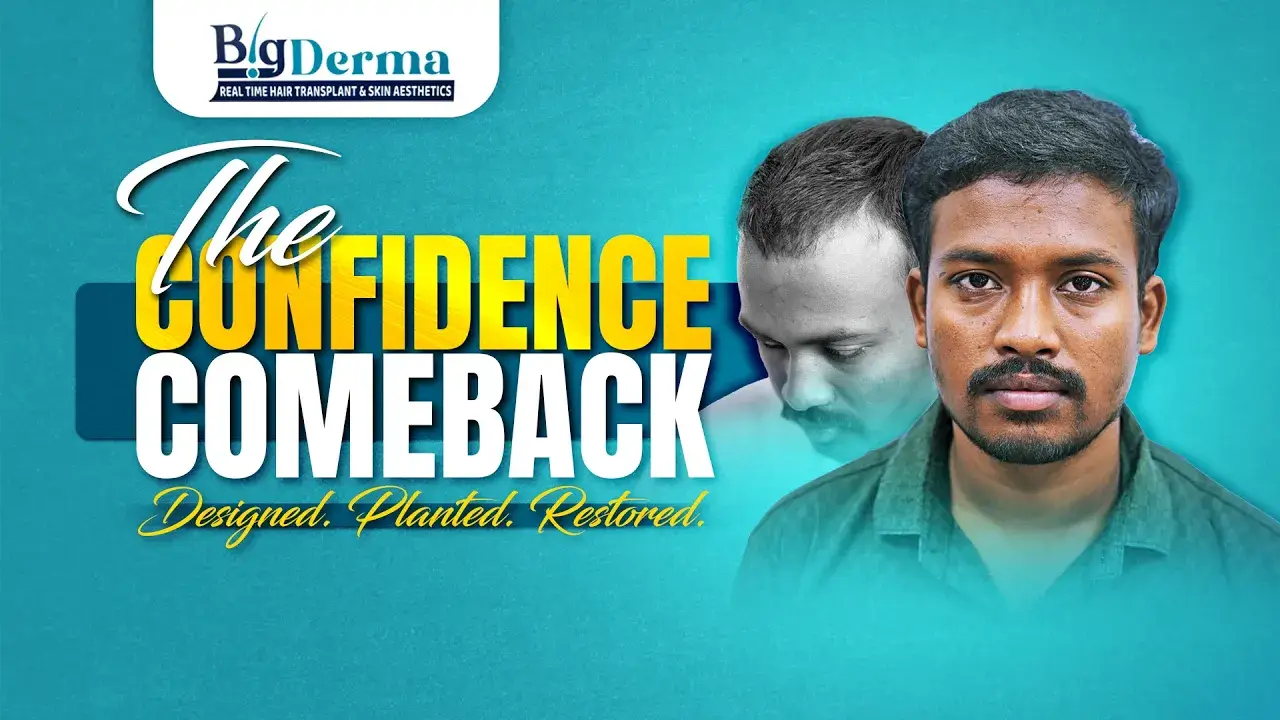
Every hair loss pattern is unique, which is why the clinic provides customized treatment plans utilizing the latest international protocols:
FUE Hair Transplant — Individual follicles are extracted and implanted one at a time. Minimal scarring, suited to most graft counts.
Sapphire FUE — Same FUE process using sapphire-tipped blades for finer incisions, which can mean faster healing for some patients.
DHI (Direct Hair Implantation) — Extraction and implantation happen in one continuous step using an implanter pen, which can reduce the time follicles spend outside the body.
We’ll recommend the technique that fits your case in consultation — not the one with the highest price tag.
Experience Advanced Hair Restoration at Big Derma
Hair loss can affect your confidence, but the right treatment plan can make a real difference. At Big Derma, a trusted hair transplant clinic in Kolkata, we offer advanced hair restoration procedures aimed at safe, natural-looking results tailored to your case. Our specialists perform a detailed scalp assessment for every patient — evaluating donor area density, hair loss pattern, and scalp condition — before recommending a customized treatment plan built around your goals and budget, not a standard package.
Using internationally recognized methods and modern equipment, we work to maximize graft survival, minimize discomfort, and support a smoother recovery. Every plan includes structured post-procedure care, so you’re not left to manage healing on your own. If you’re exploring your options for hair loss treatment, we’re happy to walk you through which approach fits your specific case during a consultation.
Know your exact cost before you commit. Consult with us first.
The cost of a hair transplant depends on your individual case — there’s no single fixed price that applies to everyone, and any clinic quoting one number upfront without a scalp assessment isn’t giving you an accurate figure. At Big Derma, cost is determined by a few key factors:
Graft count. This is the single biggest driver of cost. Someone with early-stage crown thinning may need far fewer grafts than someone with advanced frontal and crown baldness, so per-graft or per-session pricing scales with the extent of your hair loss.
Technique chosen. FUE, Sapphire FUE, and DHI differ in cost due to the tools, time, and precision each requires. We’ll explain the trade-offs for your specific case rather than defaulting to the priciest option.
Donor area quality. Coarser, denser donor hair can sometimes achieve fuller coverage with fewer grafts, which can affect overall cost.
Additional sessions or combination treatments. Some patients benefit from combining a transplant with PRP or GFC therapy to support overall scalp health — this is optional and discussed only if it applies to you.
Best Hair Transplant in Kolkata – The Big Derma Advantage
State-of-the-Art Technology
We pride ourselves on using the latest technology and techniques in hair transplantation. RHT is the most advanced hair transplant process, through which we can assure a high success rate. The procedure is highly simplified, ensuring minimal trauma to the skin and hair follicles. As a result, the recovery rate of the recipient area and the survival rate of the transplanted roots are significantly high.
Customized Treatment Plans
Every patient is unique, and so is their hair loss pattern. At Big Derma Clinic, we offer personalized treatment plans that cater to your specific needs. Our experts conduct a thorough assessment before recommending a treatment plan that aligns with your expectations and ensures optimal results.
Affordable cost and Transparent Pricing
We believe that everyone deserves access to quality hair transplant services. That’s why Big Derma Clinic offers affordable hair transplant cost in Kolkata with competitive pricing without compromising on quality. Our transparent pricing policy ensures that there are no hidden costs, and you know exactly what you are paying for.
Excellent Post-Procedure Care
Hair transplantation is a journey, and our support doesn’t end after the
procedure. We offer comprehensive post-procedure care to ensure that you achieve the best possible results. Our team provides detailed aftercare instructions and regular follow-ups to monitor your progress and address any Concerns.
Proven Track Record in Kolkata
Big Derma Clinic has established itself as a leading hair transplant clinic in Kolkata. Our reputation is built on the trust of our patients and the consistent success of our procedures. We have a proven track record of transforming the lives of individuals struggling with hair loss and helping them regain their confidence.
Location & Accessibility
Our clinic sits in the heart of Kolkata at AJC Bose Road, Beckbagan — easy to reach from across the city, with satellite consultation support for patients from Siliguri, Berhampore, and Murshidabad.
What Our Patients Say
With 241+ verified Google reviews and a 4.5+ rating, patients consistently point to the same things: transparent consultations, visible results, and a team that follows up after the procedure rather than disappearing once payment clears.
Conclusion
When it comes to hair transplant in Kolkata, West Bengal, Big Derma Clinic is your best choice for achieving natural, lasting results. With our experienced team, advanced technology, personalized care, and a strong reputation, we are
committed to helping you restore your hair and confidence.
Book your consultation today and take the first step towards a fuller head of hair with Big Derma Clinic

EXCELLENT Based on 241 reviews
 Posted on Google
 Dipu MThey provide me great service...good hospitality...Posted on Google
 Trisha raj SinghHi Trisha this side . Passing the real opinion on this clinic . Visited more than 4 clinics but problem not solved. Visited big derma consulted with the dr. I can see the difference.Posted on Google
 Skin By TrishaHi my self trisha. Got hair transplant from big derma . Surgery was fantastic. Top hair transplant clinic in KolkataPosted on Google
 hbltrisharajBest hair transplant clinic.Posted on Google
 Deepti RanjanGood hospitality was given by the employeesPosted on Google
 Dev AdhikaryKhub valo abhigota holo ... Babohar + care ... Kono dik theke compromise kora hoy ni proper guide...er sathe treatment kora hoyeche ...thak you big derma team.Posted on Google
 Rupam NaskarBest hair transplant clinic in kolkata Thank you big derma all staff and aslo Dr. Subhajit Ghoshal sir ❤️ Best experience, behaviour too good , all facilities are great. Thanks a lot . Best wishes for the future.Posted on Google
 Sameer SinghThey provide great service..best hair transplant clinic in Kolkata..Posted on Google
 Mohammad FarmanBest transplant clinic in Kolkata. ❤️Verified by TrustindexTrustindex verified badge is the Universal Symbol of Trust. Only the greatest companies can get the verified badge who has a review score above 4.5, based on customer reviews over the past 12 months. Read more