
Big Derma — Hair Fall & Hair Loss Treatment in Siliguri
Understand Your Hair Loss. Treat It the Right Way.
Hair fall can happen for many reasons — genetics, hormonal changes, stress, nutritional deficiencies, or underlying scalp conditions. At Big Derma, our doctor brings over 10 years of clinical experience in diagnosing and treating hair loss, helping patients across Siliguri understand why they’re losing hair before recommending how to treat it.
Hair loss has many possible causes, and treatment outcomes vary from person to person. The information on this page is general in nature, is not a diagnosis, and is not a substitute for an in-person medical evaluation.
When to See a Doctor Promptly
Most hair fall is gradual and non-urgent — but some patterns warrant a prompt in-person evaluation rather than waiting:
- Sudden or rapidly progressing patchy hair loss
- Hair loss accompanied by scalp redness, pain, itching, or scaling
- Hair loss along with unexplained fatigue, weight change, or other new symptoms
- Hair loss following a recent illness, surgery, or significant stress event, if shedding is heavy or not improving. If any of these apply to you, we recommend booking a consultation promptly rather than researching further on your own.
Why Patients in Siliguri Choose Big Derma for Hair Loss Treatment
10+ Years of Clinical Experience
Our doctor has spent over a decade diagnosing and treating various forms of hair fall and hair loss.
Diagnosis-First Approach
We don't recommend treatment without first assessing the likely underlying cause.
Range of Treatment Options
From topical and oral medication to PRP therapy and, where appropriate, surgical hair restoration.
Personalized Treatment Plans
Your treatment is based on your scalp condition, relevant tests (where indicated), and lifestyle factors — not a one-size-fits-all package.
Transparent Process
Clear explanation of what a treatment can realistically achieve, and what it cannot, before you commit to anything.
Convenient Local Access
Hair loss care for patients across Siliguri, Darjeeling, and Jalpaiguri, without the need to travel to a metro city for follow-ups.
Meet Your Doctor
With over 10 years of experience in dermatology and hair restoration, our doctor personally evaluates each patient’s scalp and hair loss pattern before recommending a treatment path.
Possible Causes of Hair Fall & Hair Loss
The list below is for general awareness only. These conditions can look similar to each other, and self-diagnosis is not reliable — an accurate diagnosis requires an in-person scalp examination and, where necessary, further tests.
- Androgenetic Alopecia (Pattern Hair Loss): A common, often gradual and progressive form of hair loss influenced by genetics and hormones.
- Telogen Effluvium : Temporary, diffuse hair shedding sometimes triggered by stress, illness, surgery, childbirth, or sudden lifestyle changes. Often — but not always — resolves once the trigger is addressed.
- Alopecia Areata : An autoimmune condition causing patchy hair loss. This can resemble other causes of patchy shedding, which is why an in-person evaluation is important rather than assuming the cause.
- Nutritional or Hormonal Contributors: Deficiencies or hormonal imbalances can contribute to hair thinning in some patients. Where a hormonal or metabolic condition (such as a thyroid disorder or PCOS) is suspected, our doctor will guide you on further testing and, where appropriate, coordinate with or refer you to the relevant specialist — this clinic focuses on the hair and scalp aspects of care.
- Scalp Conditions: Dandruff, seborrheic dermatitis, fungal infections, or scalp psoriasis can each contribute to hair fall if left untreated, and are diagnosed through direct scalp examination.
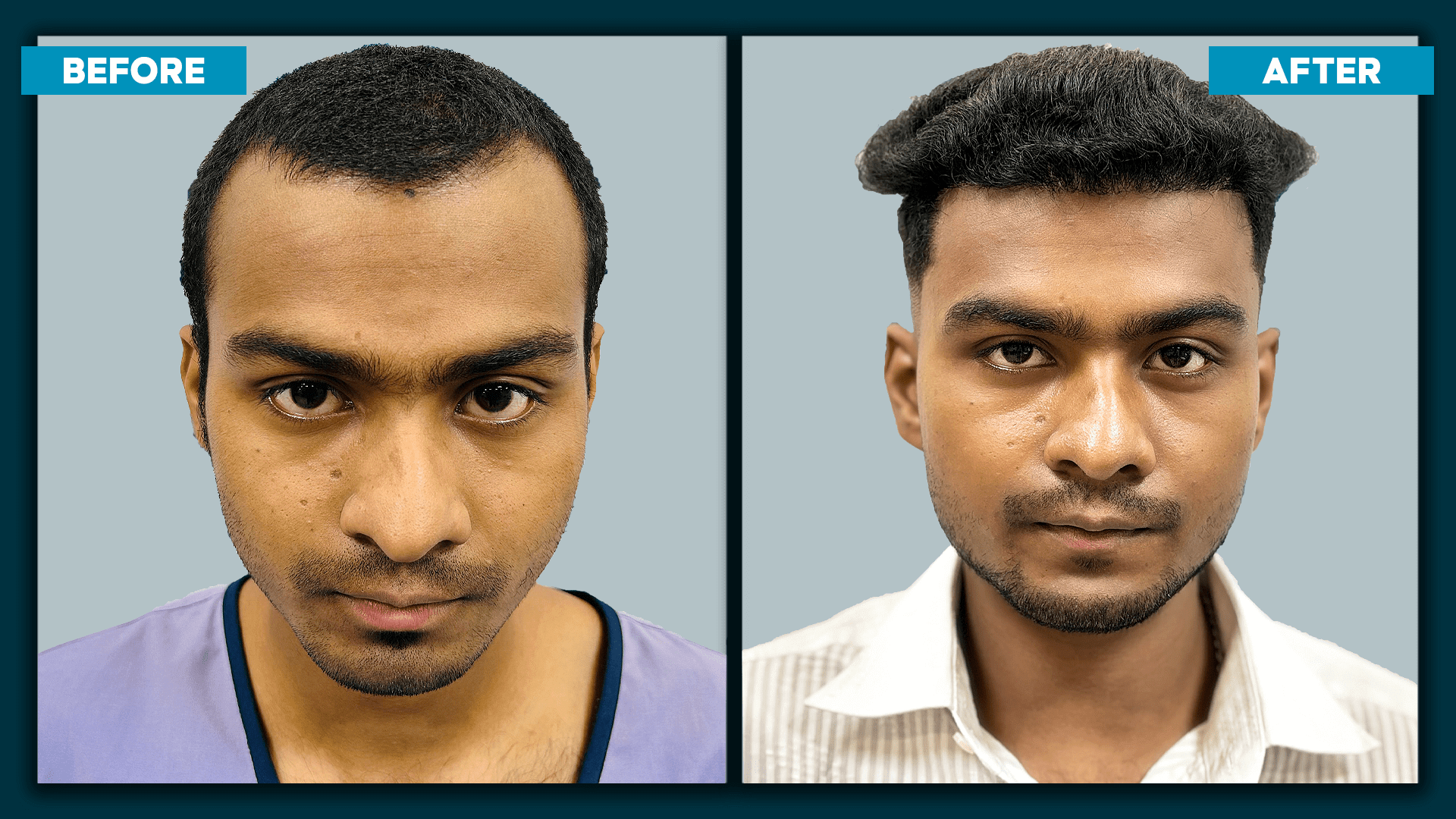
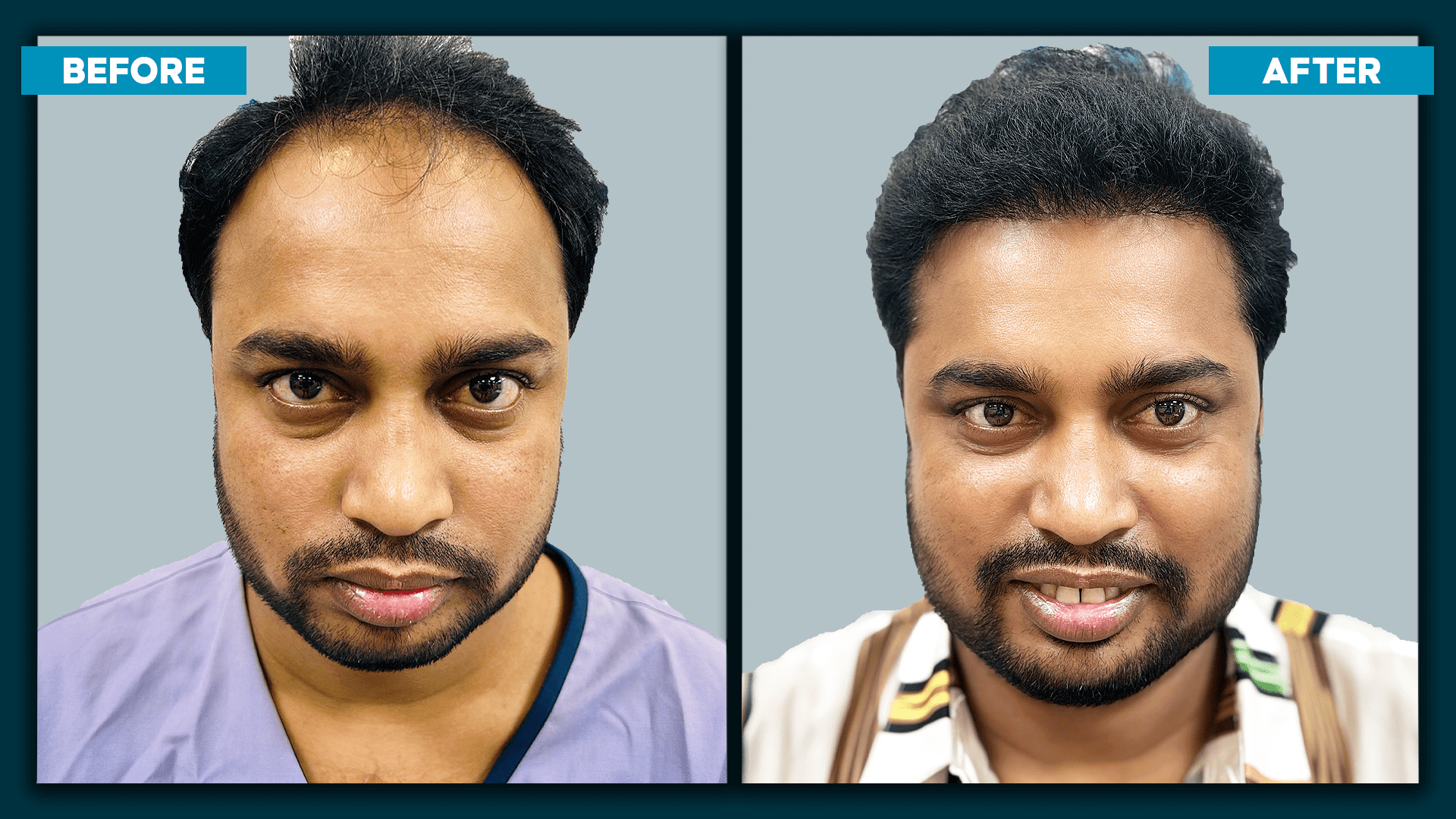
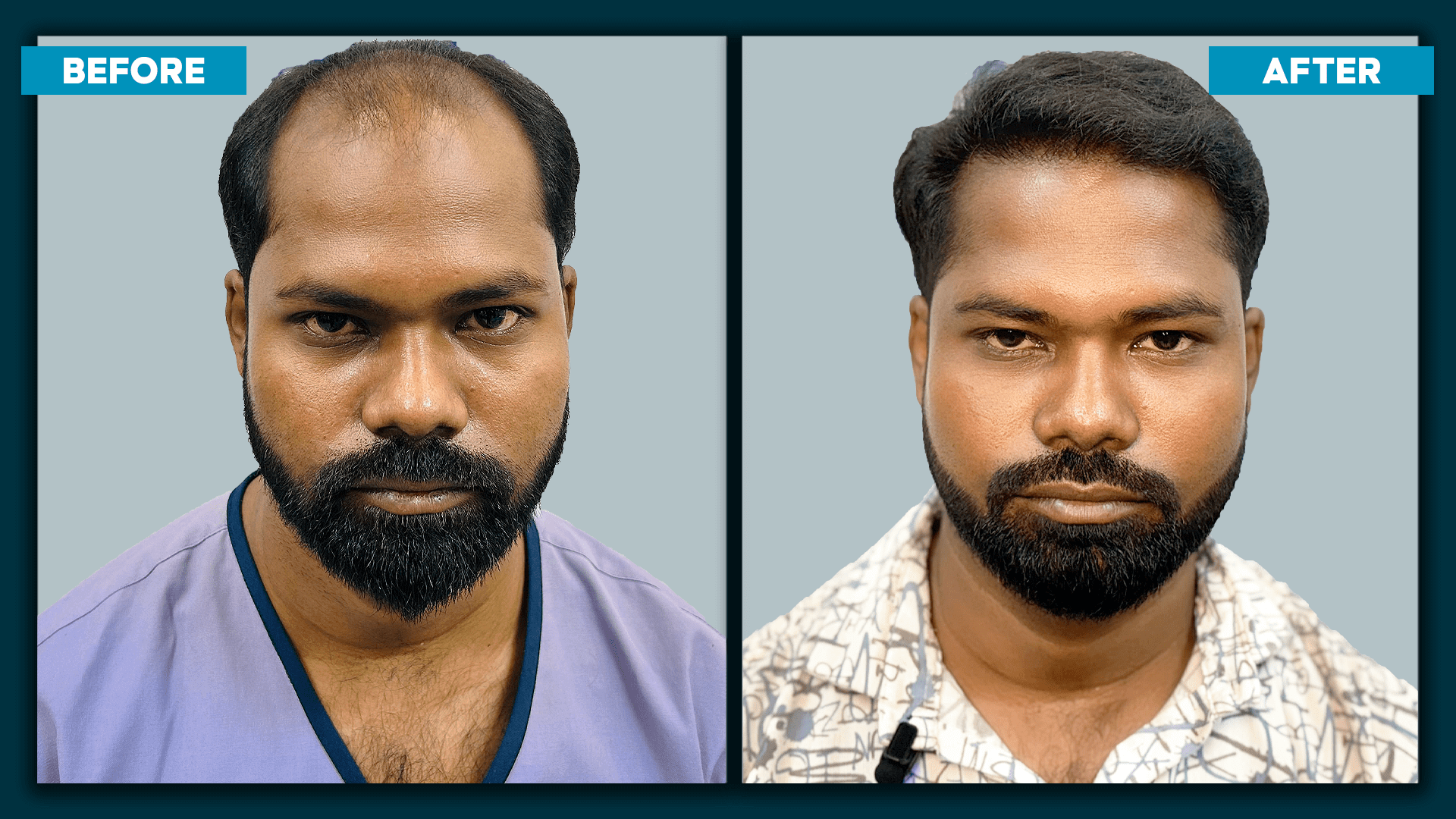
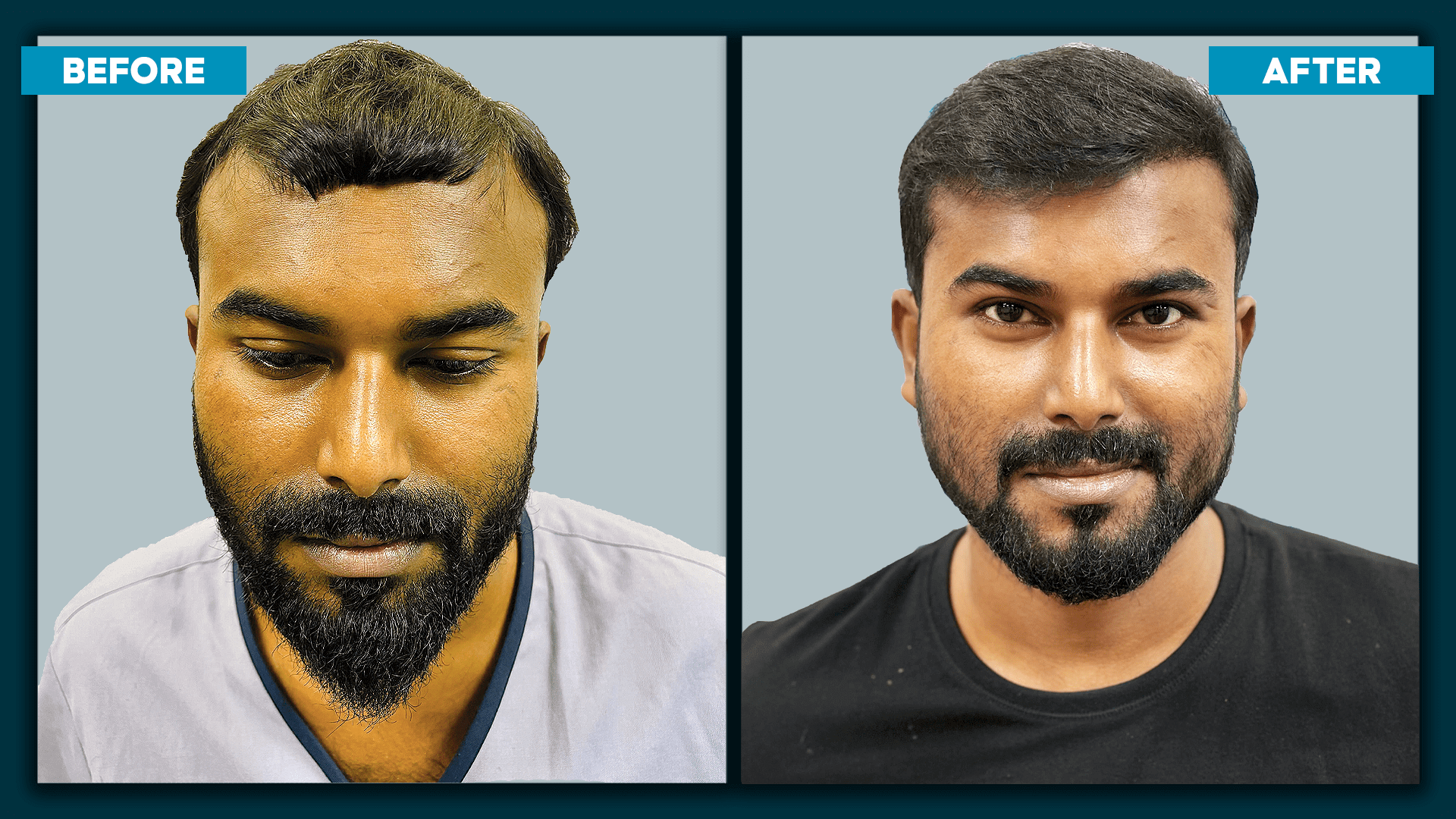
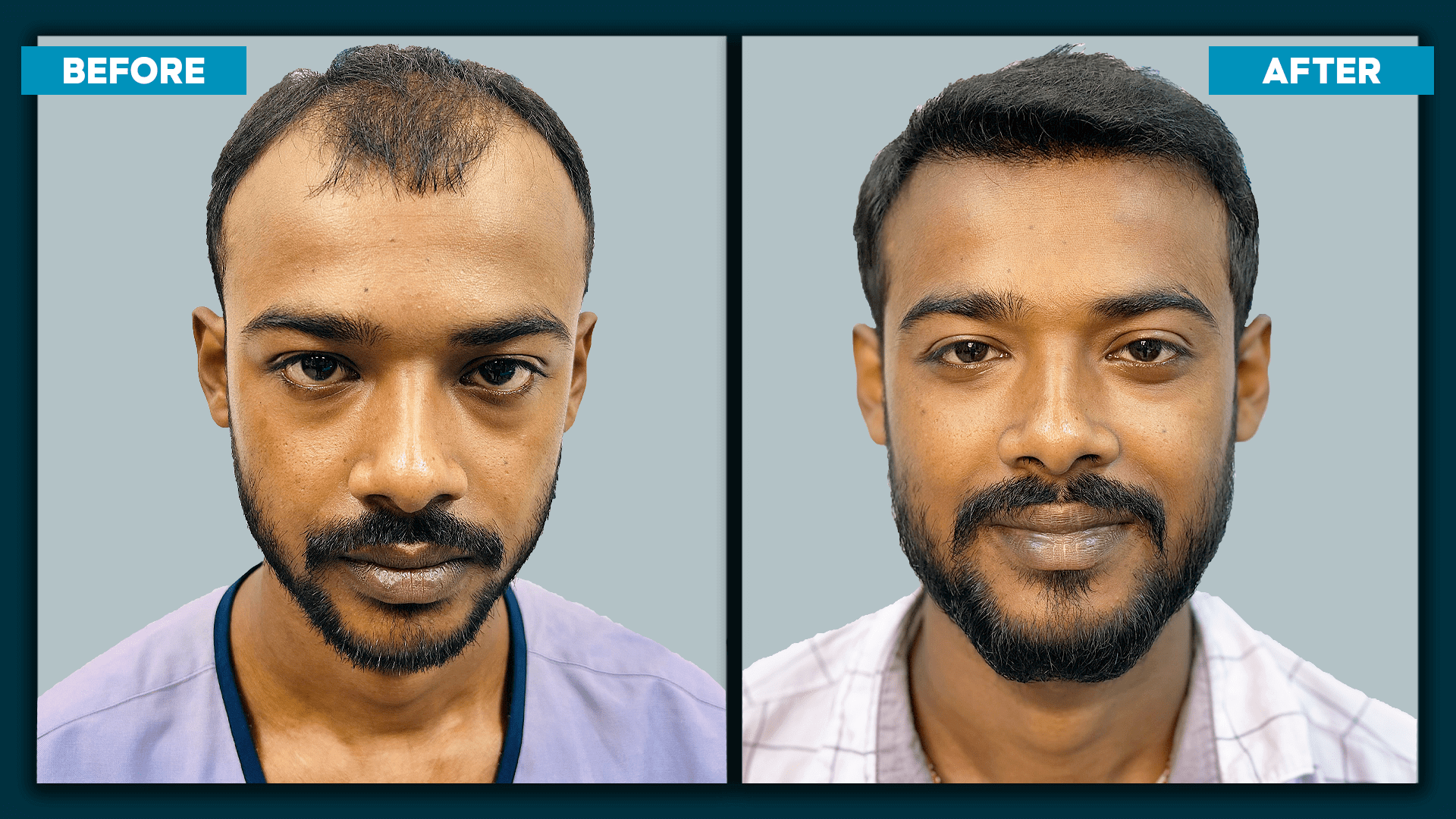
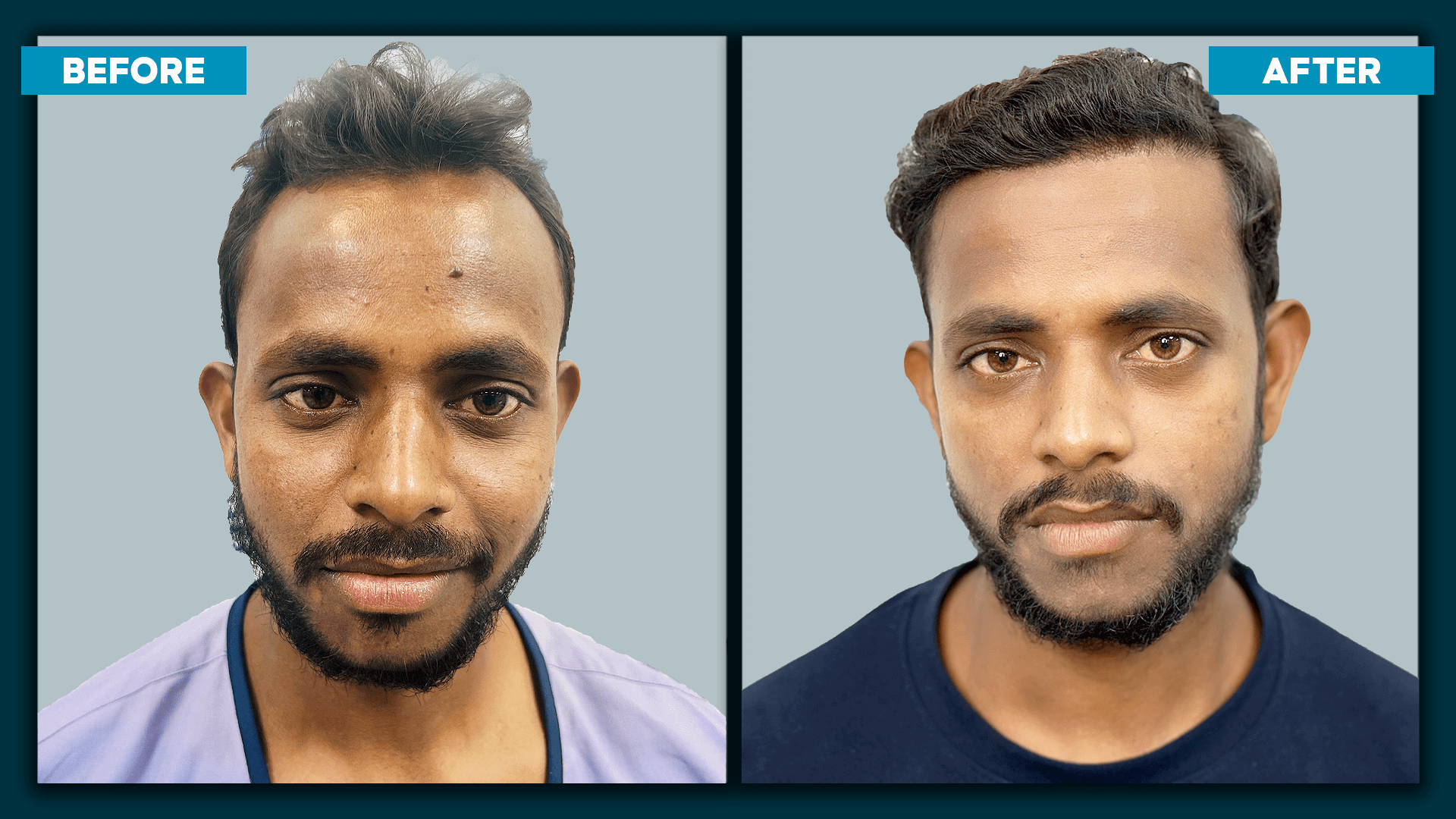
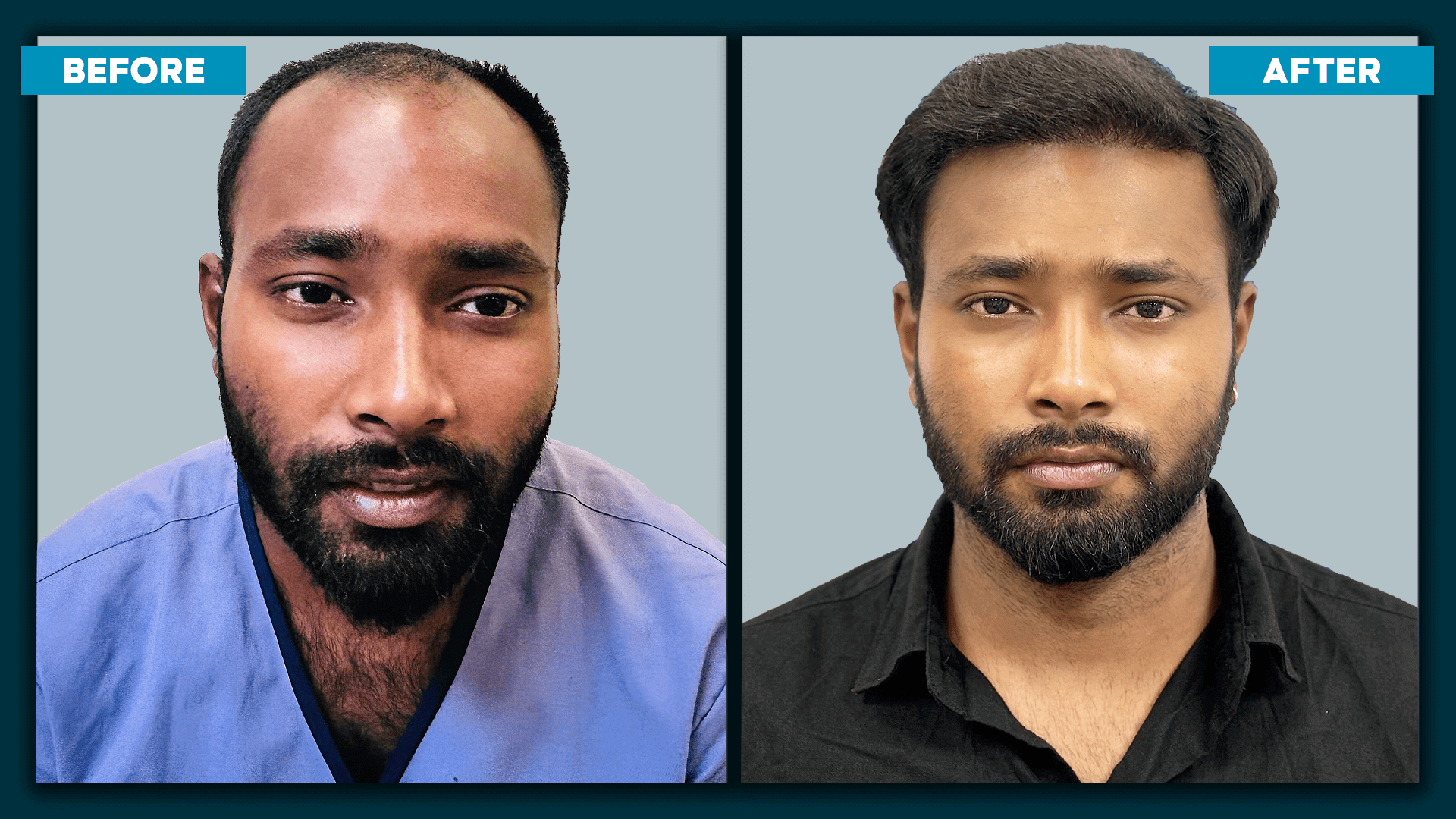
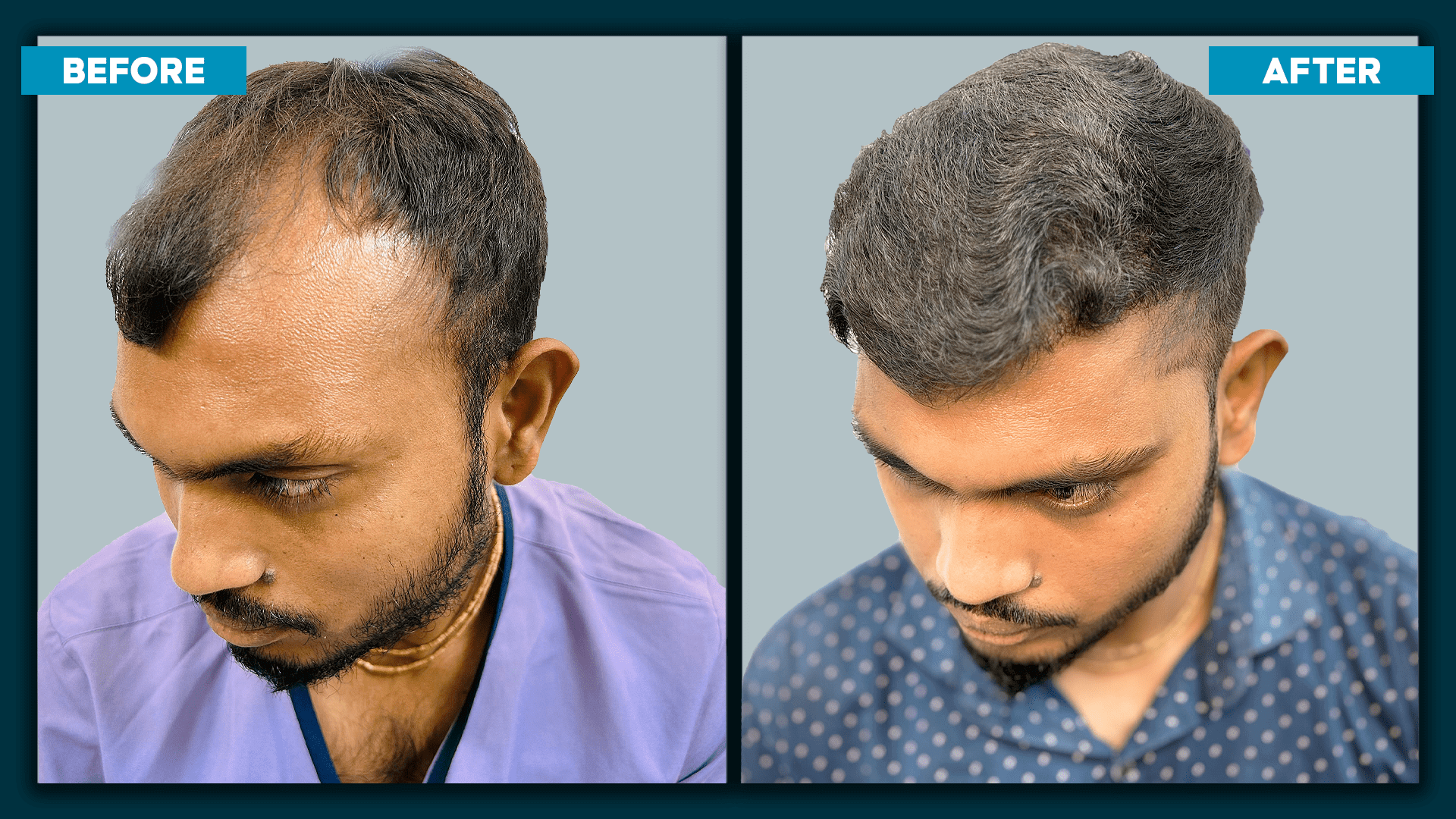
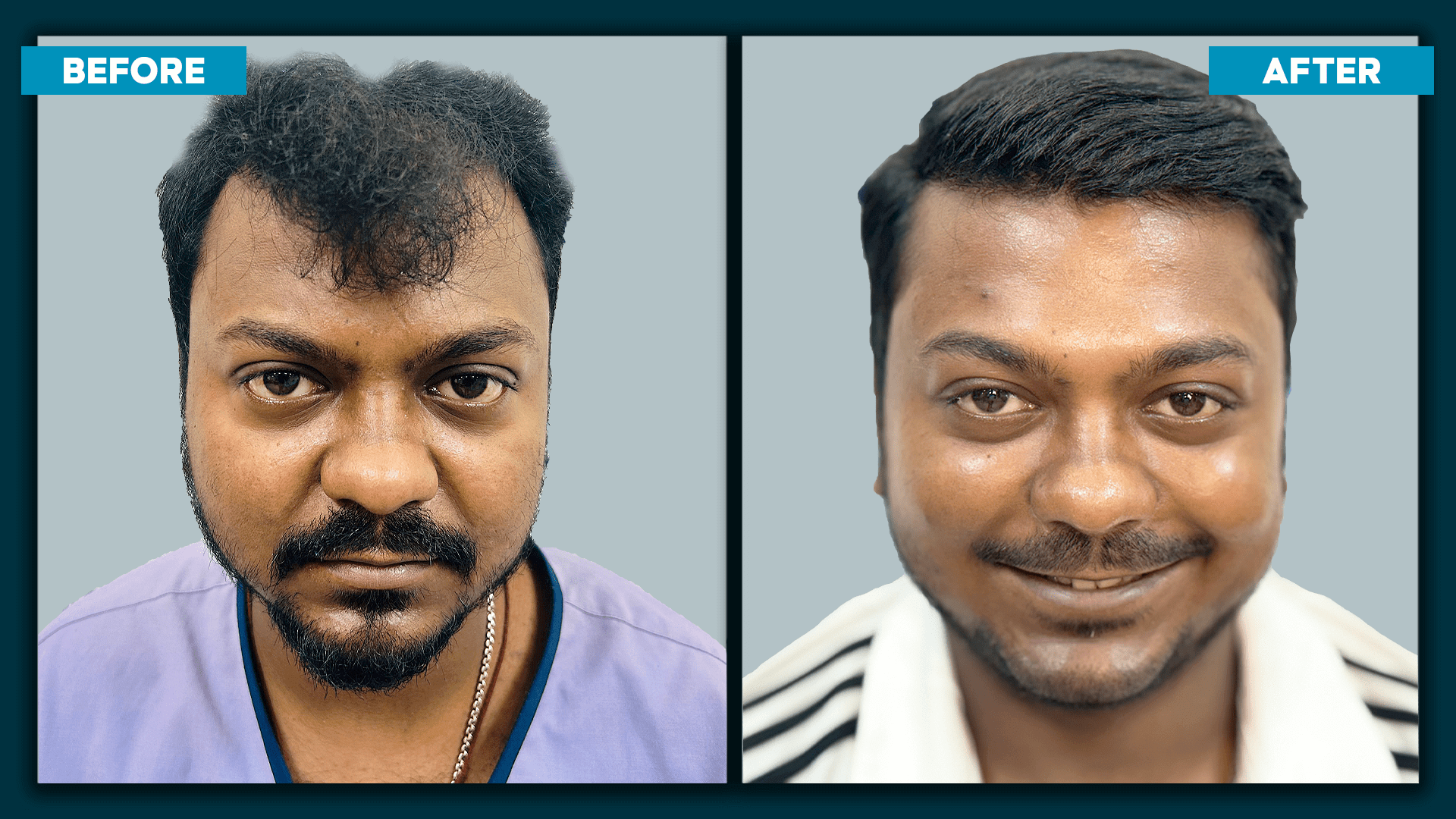
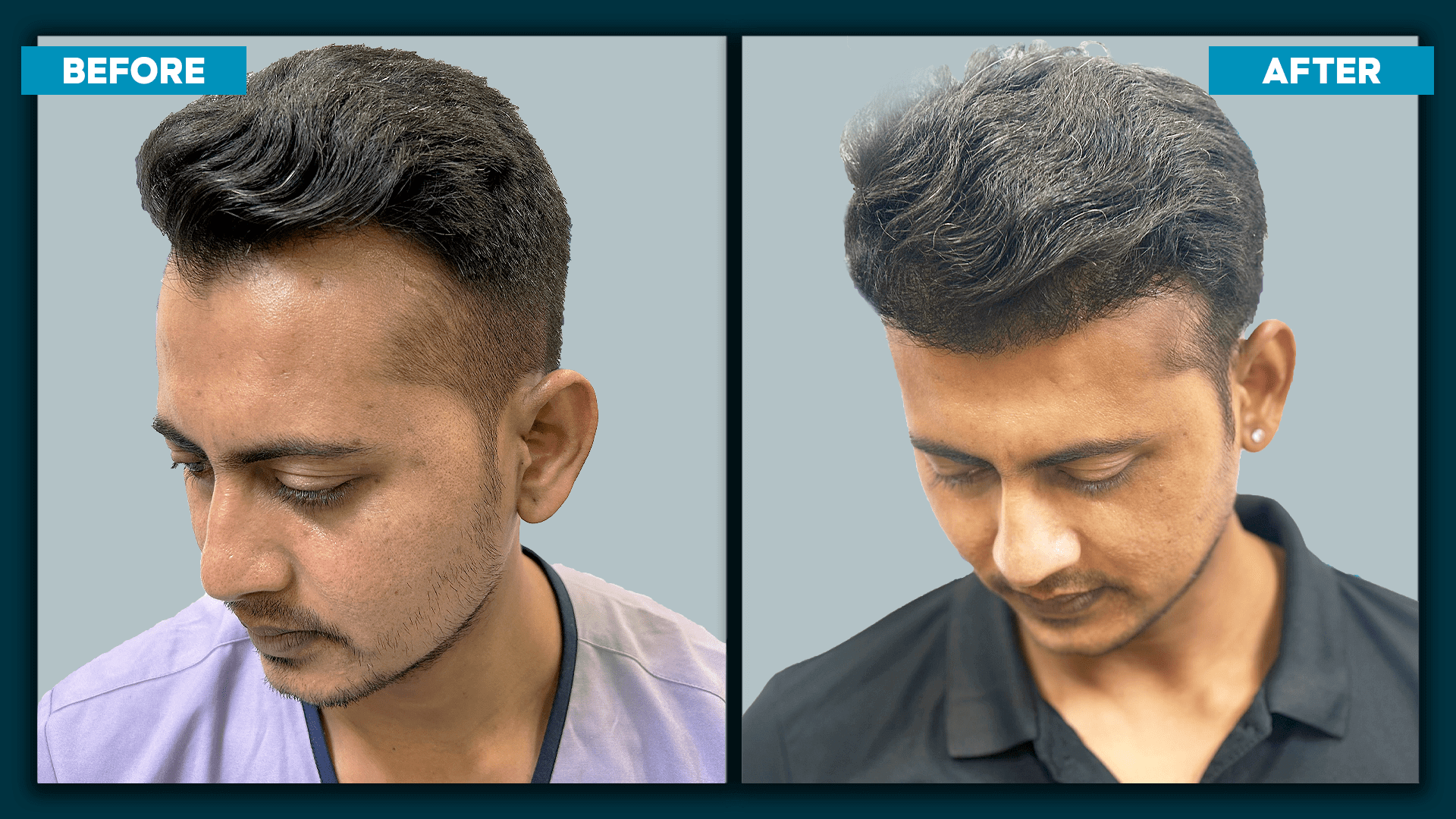
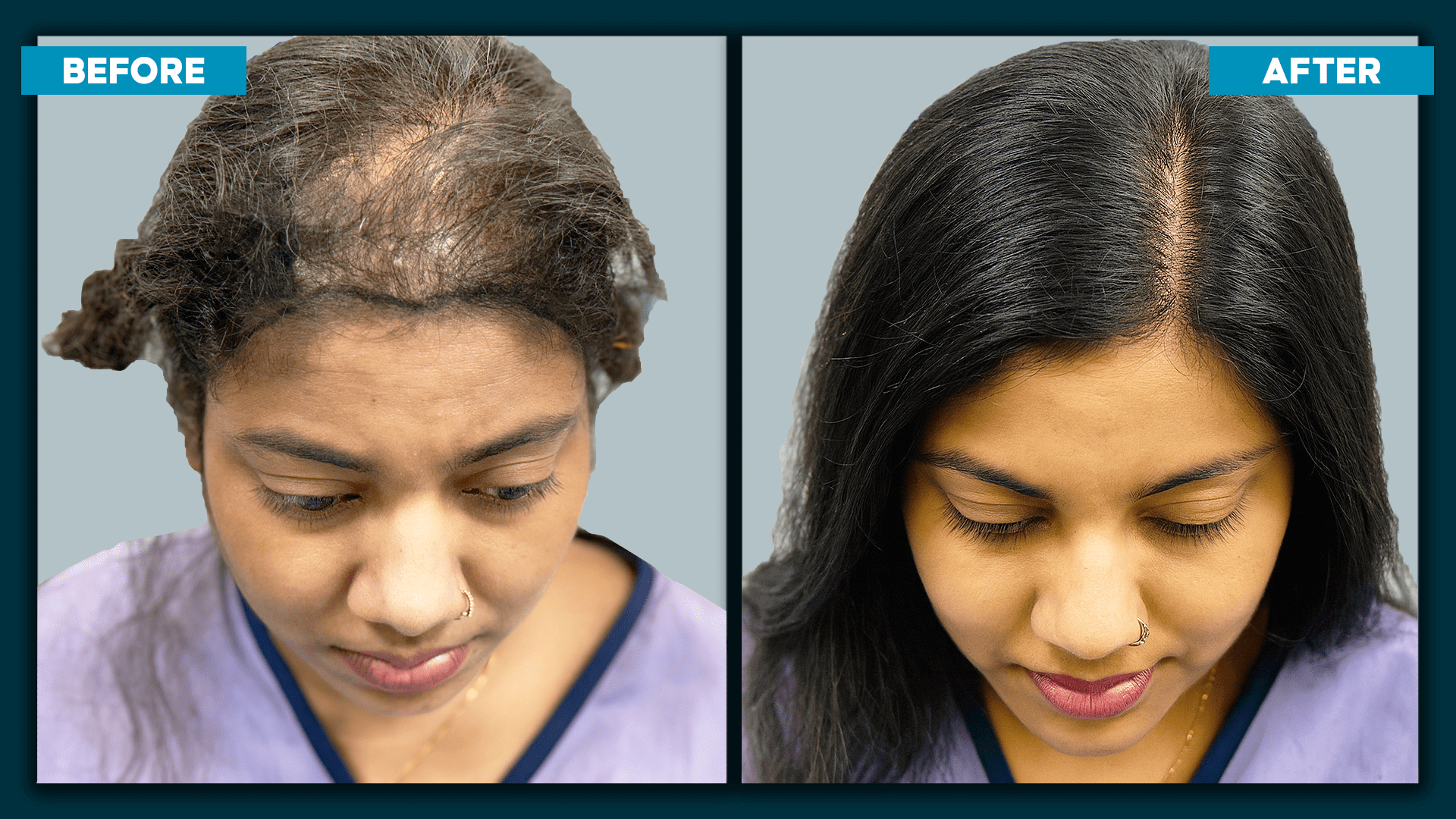
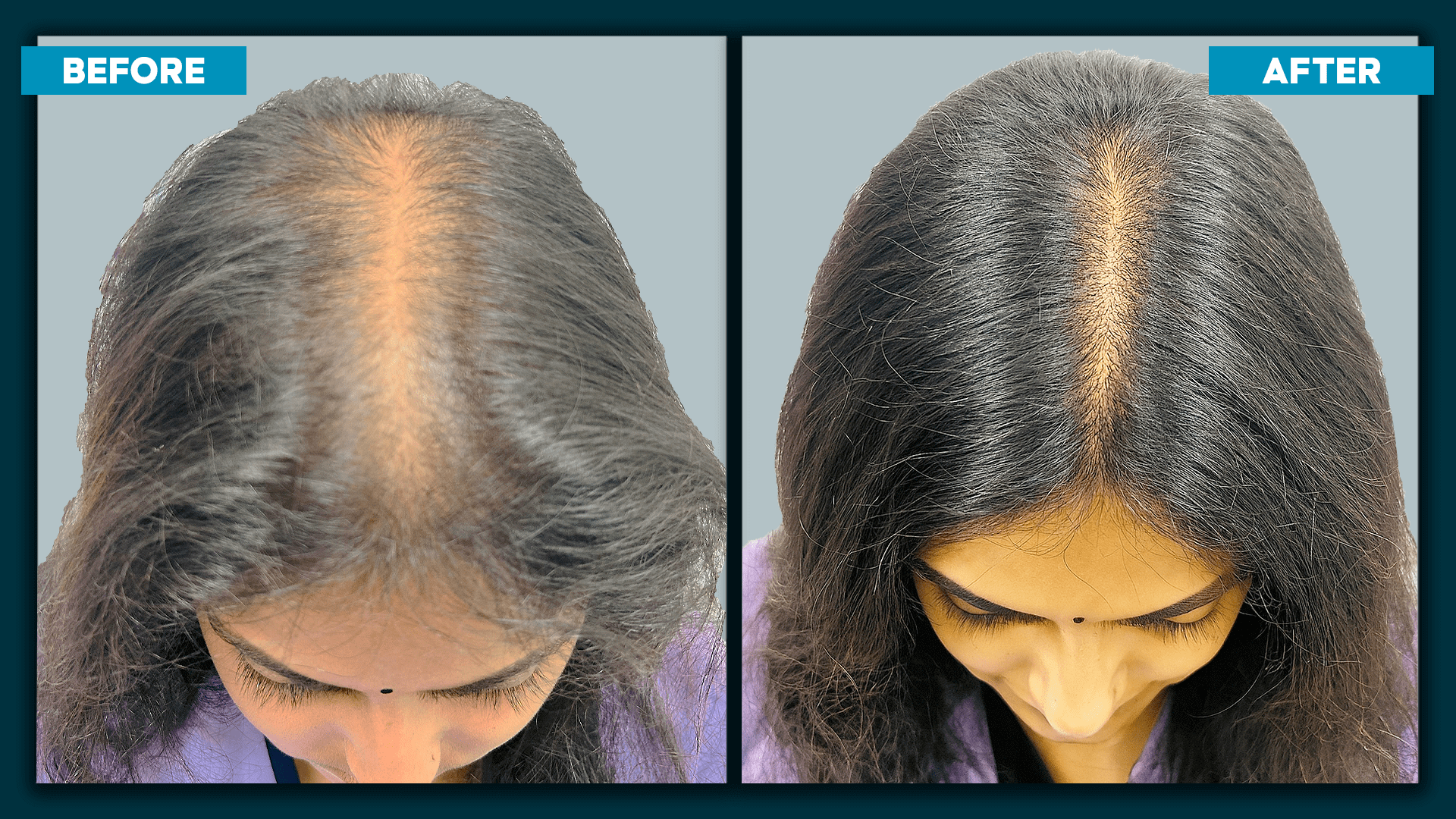
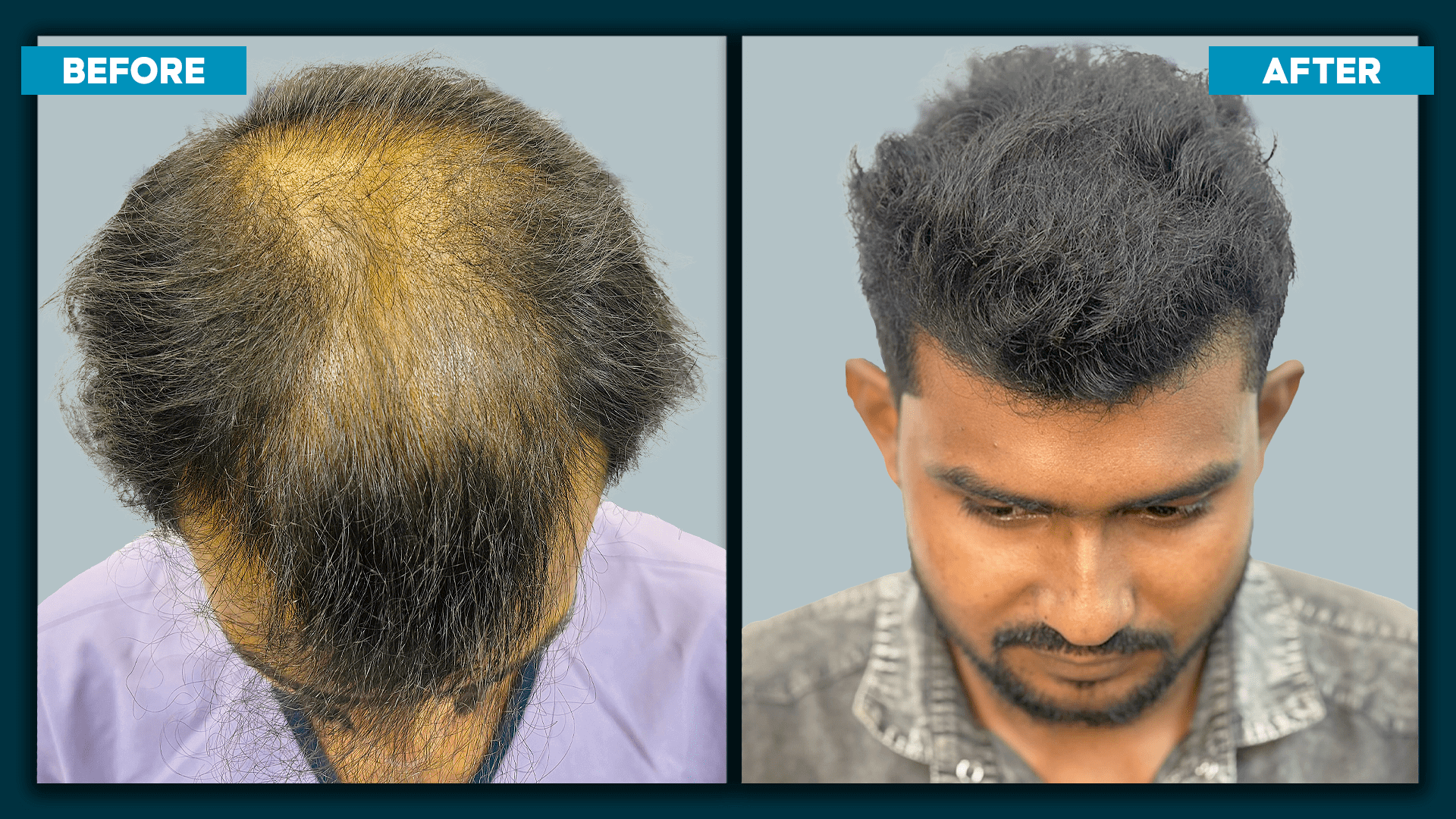
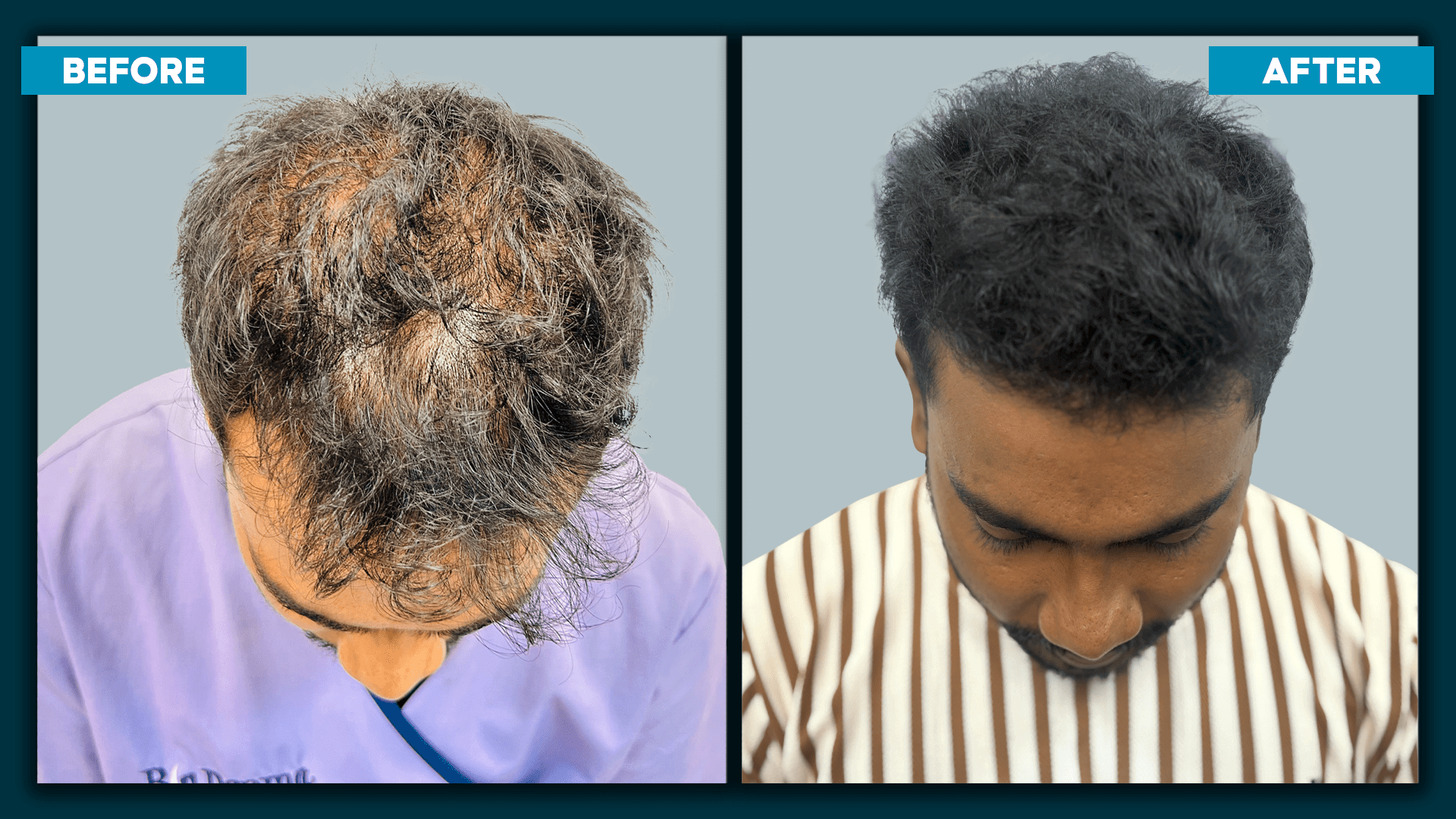
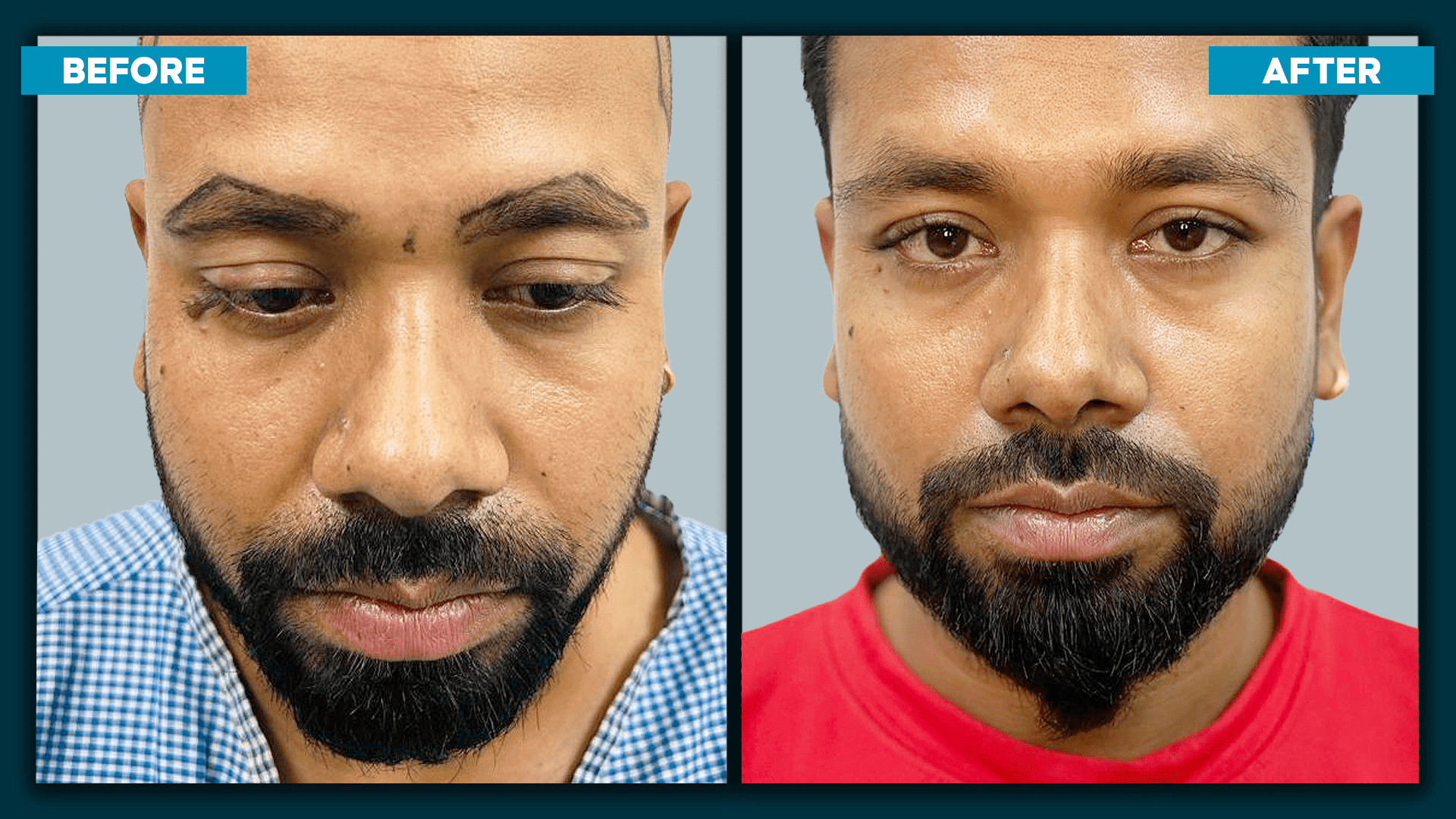
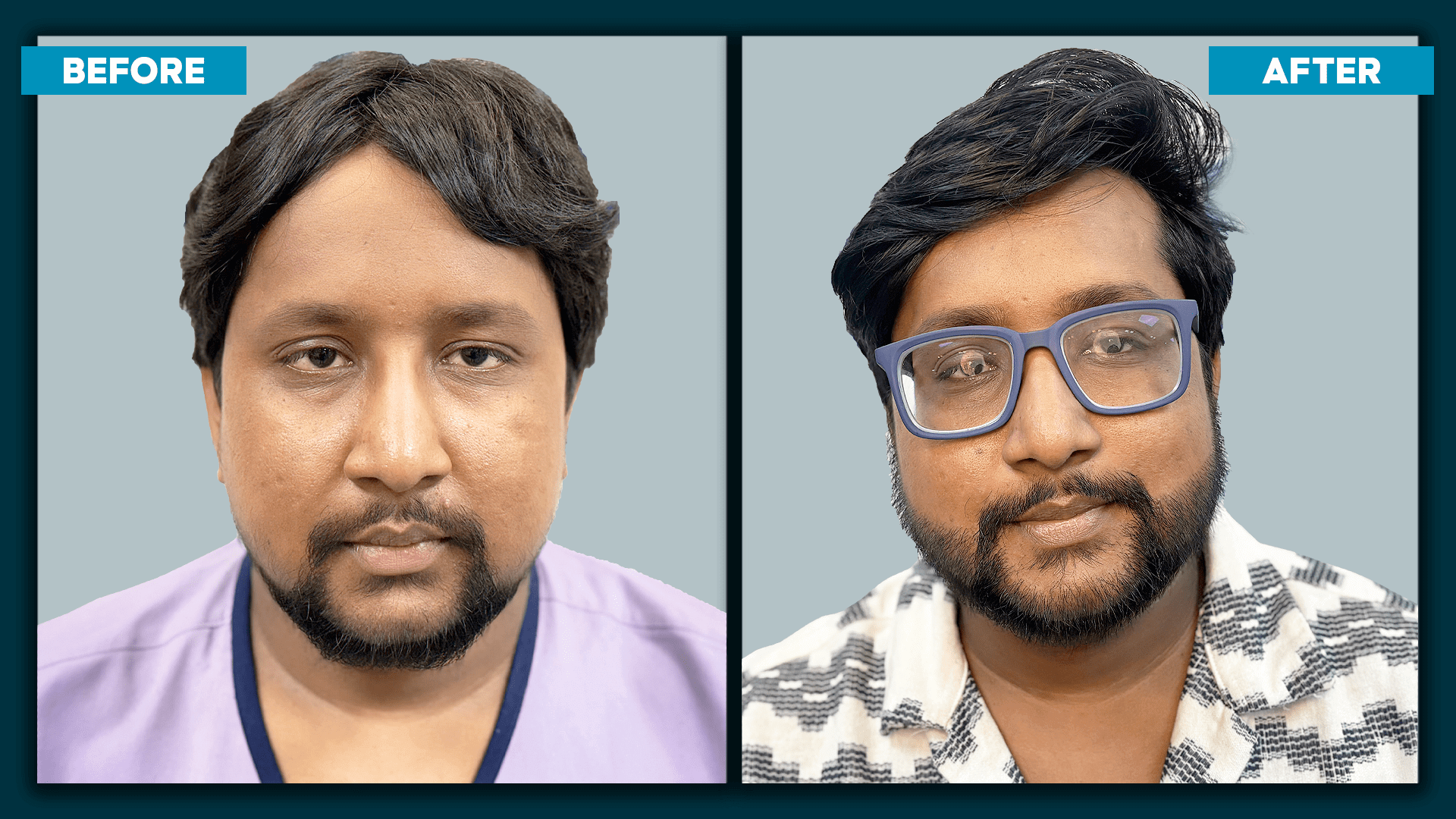
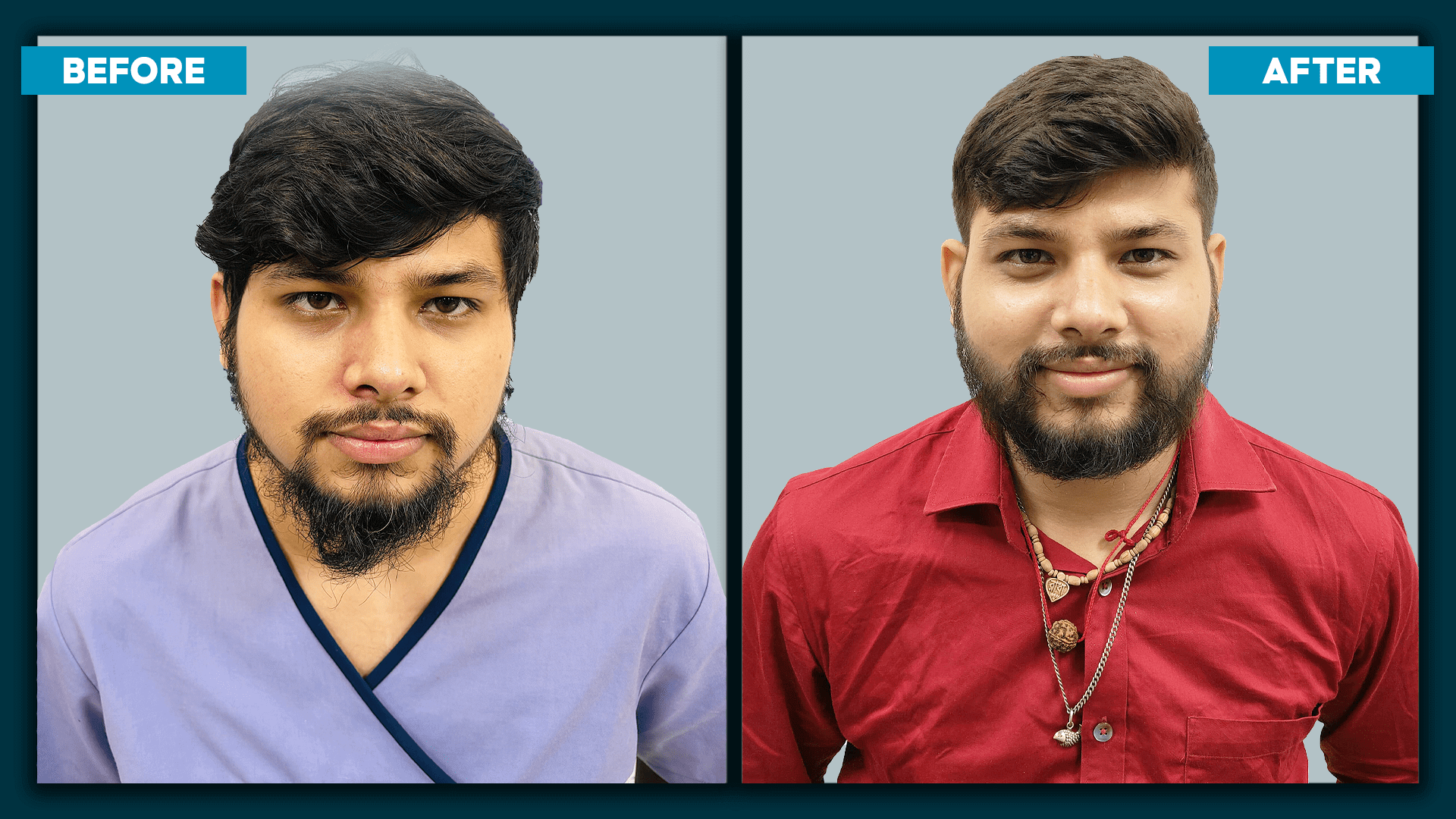
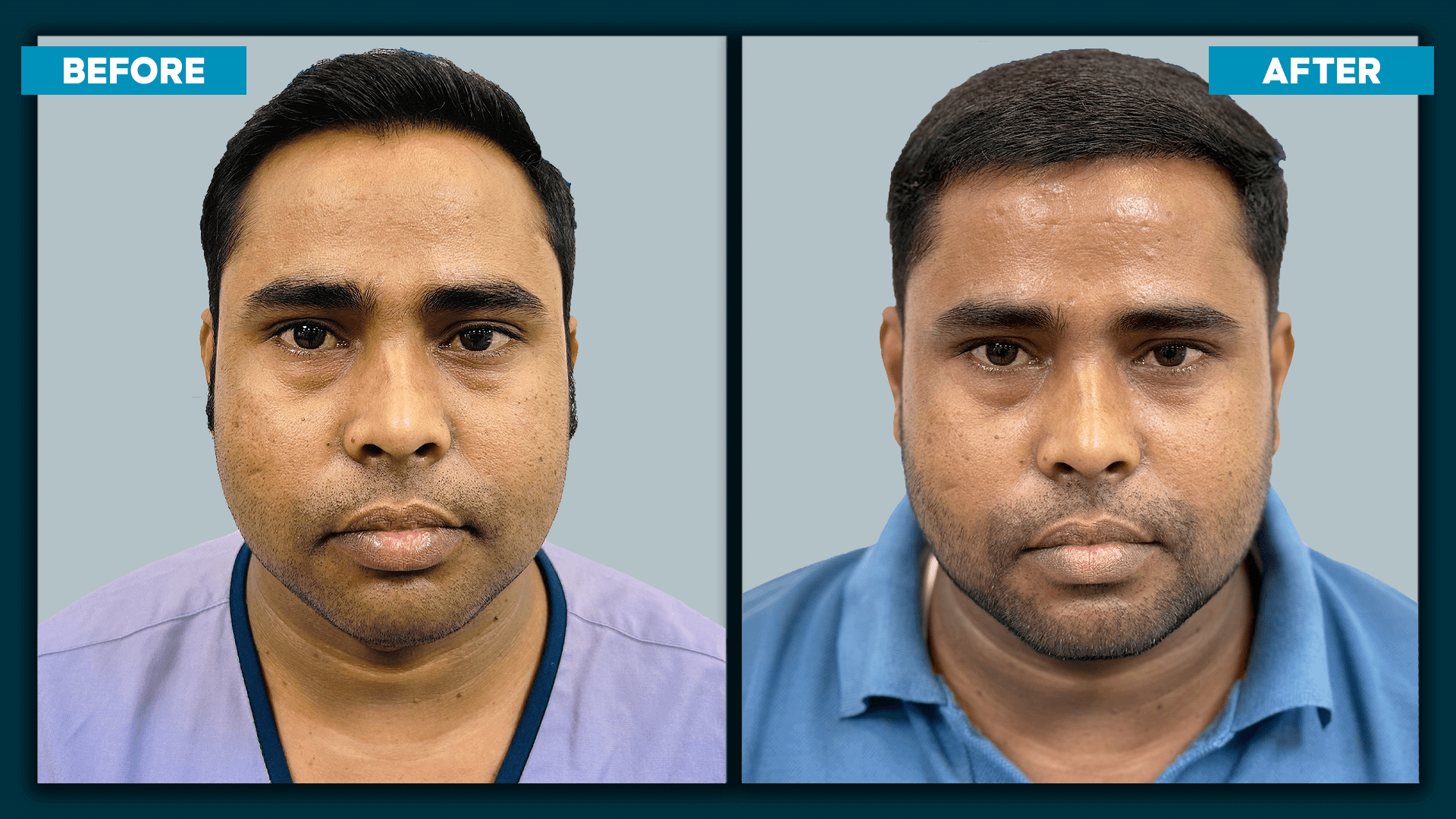
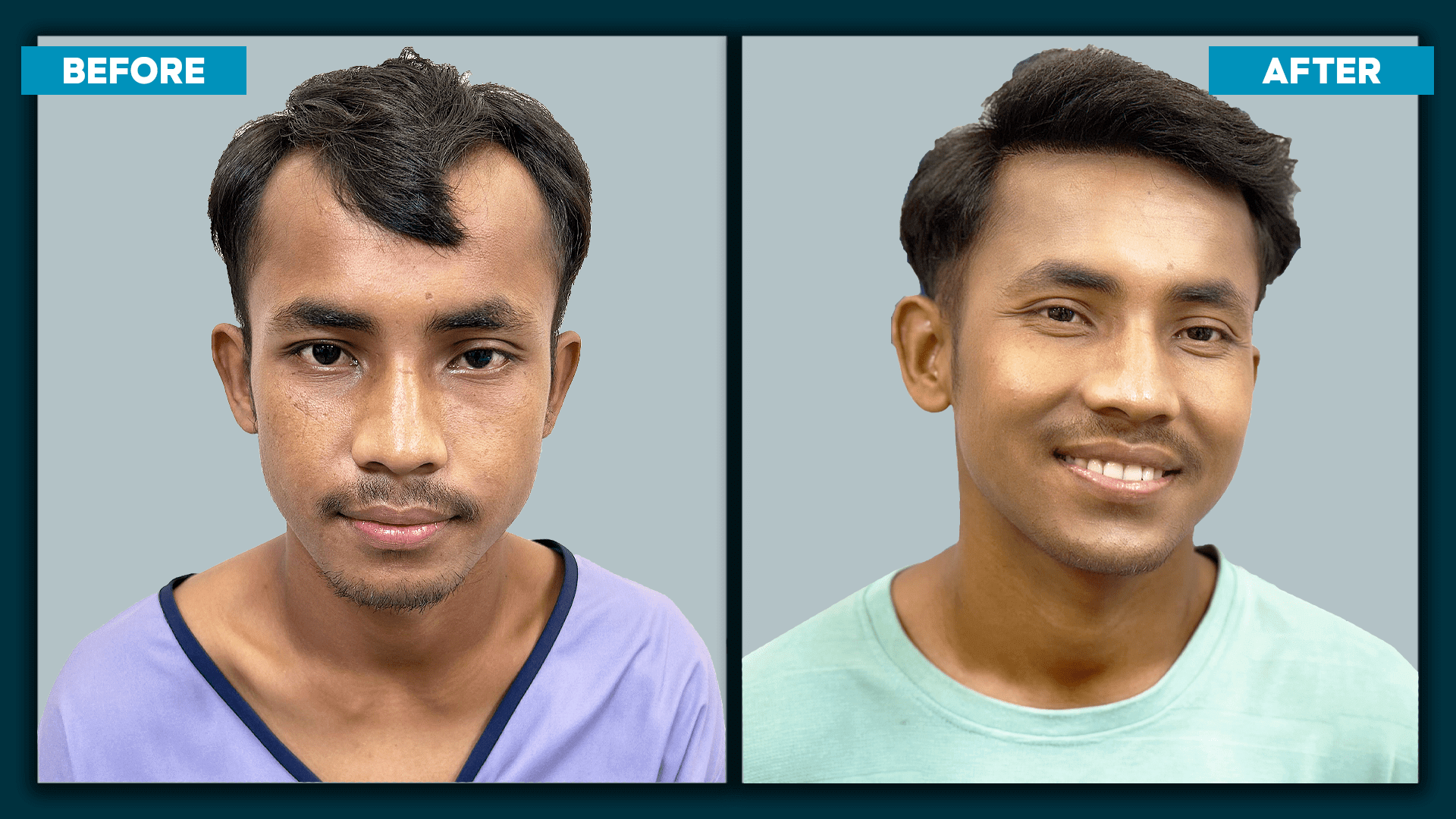
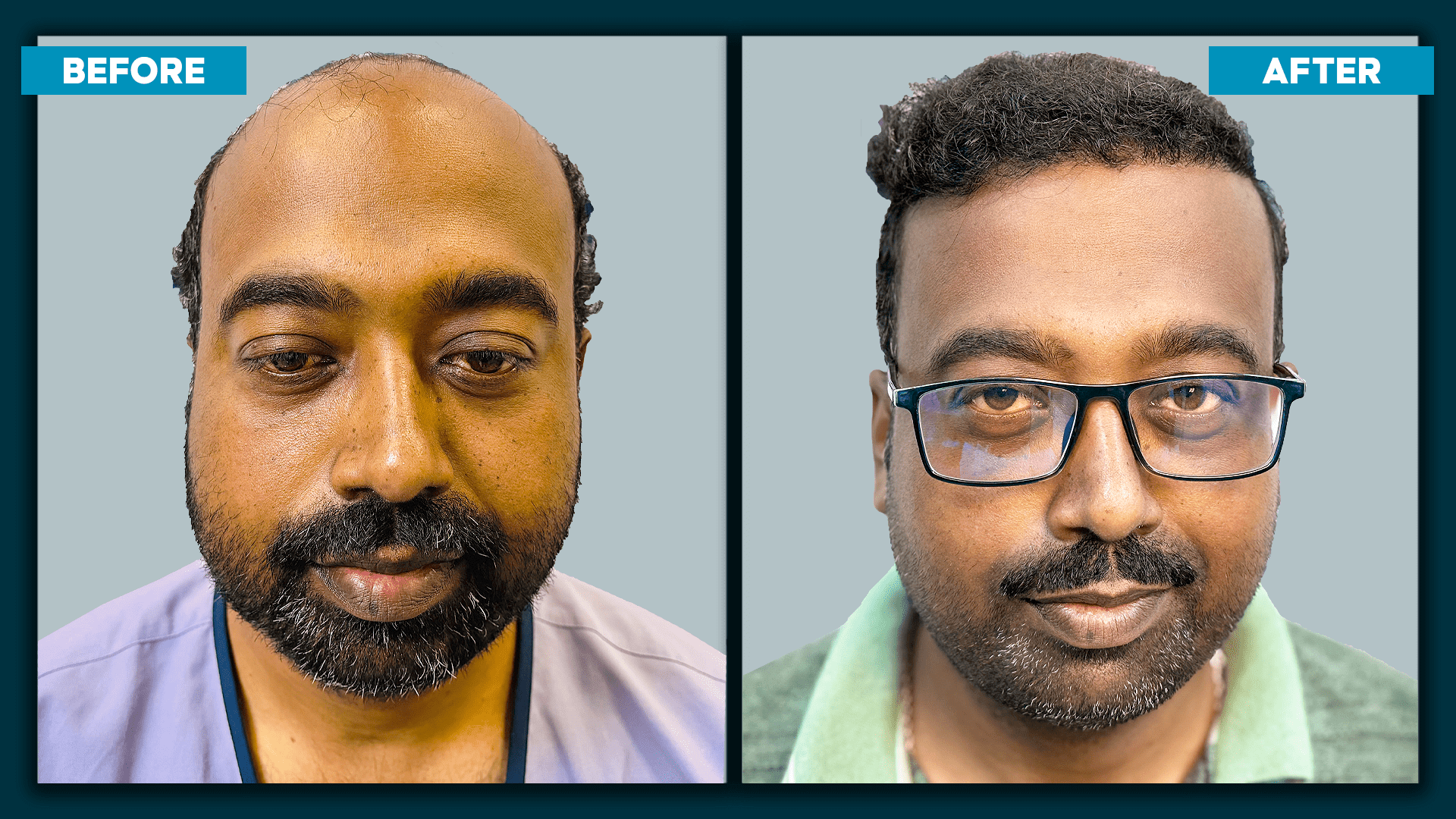
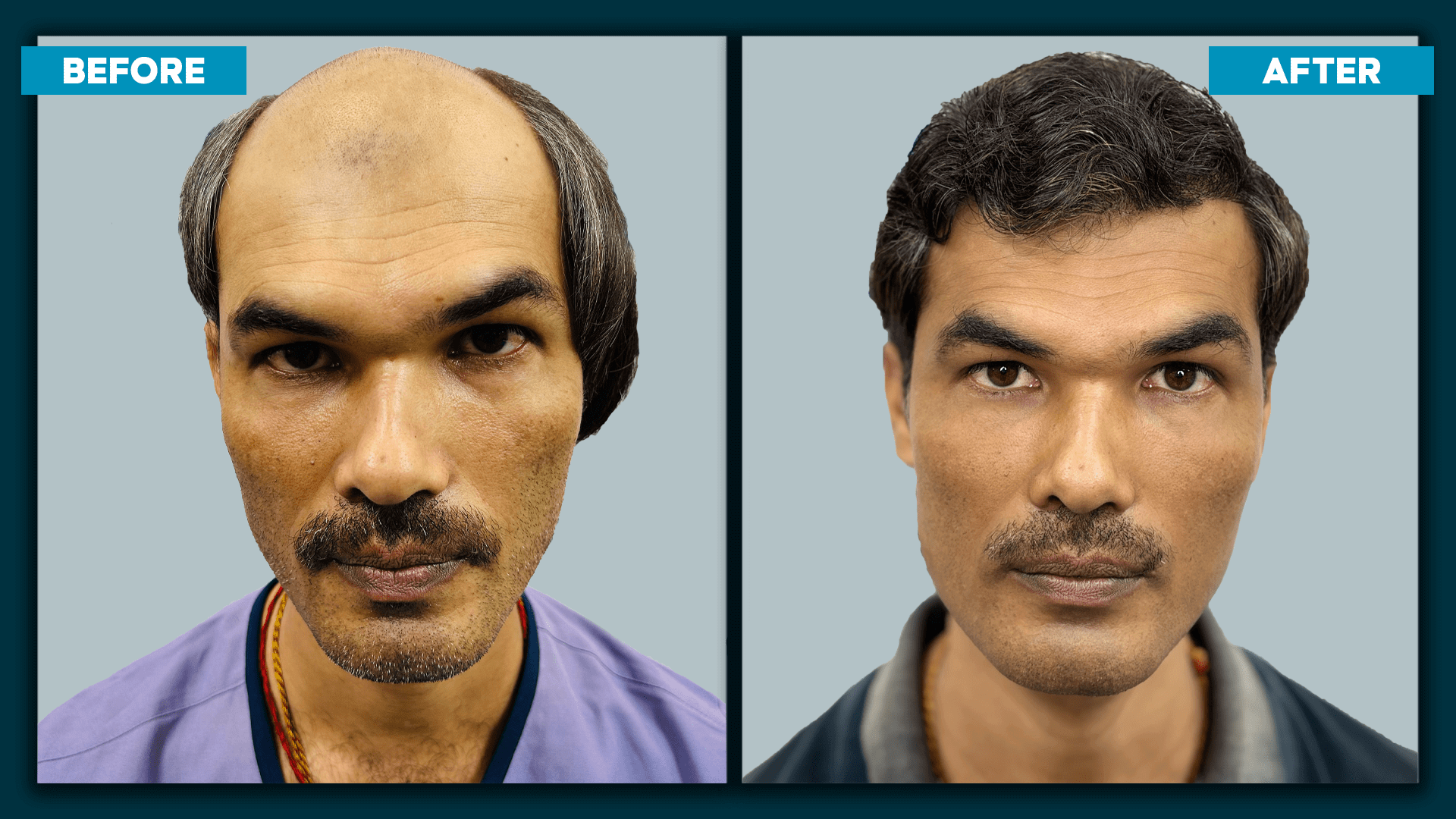
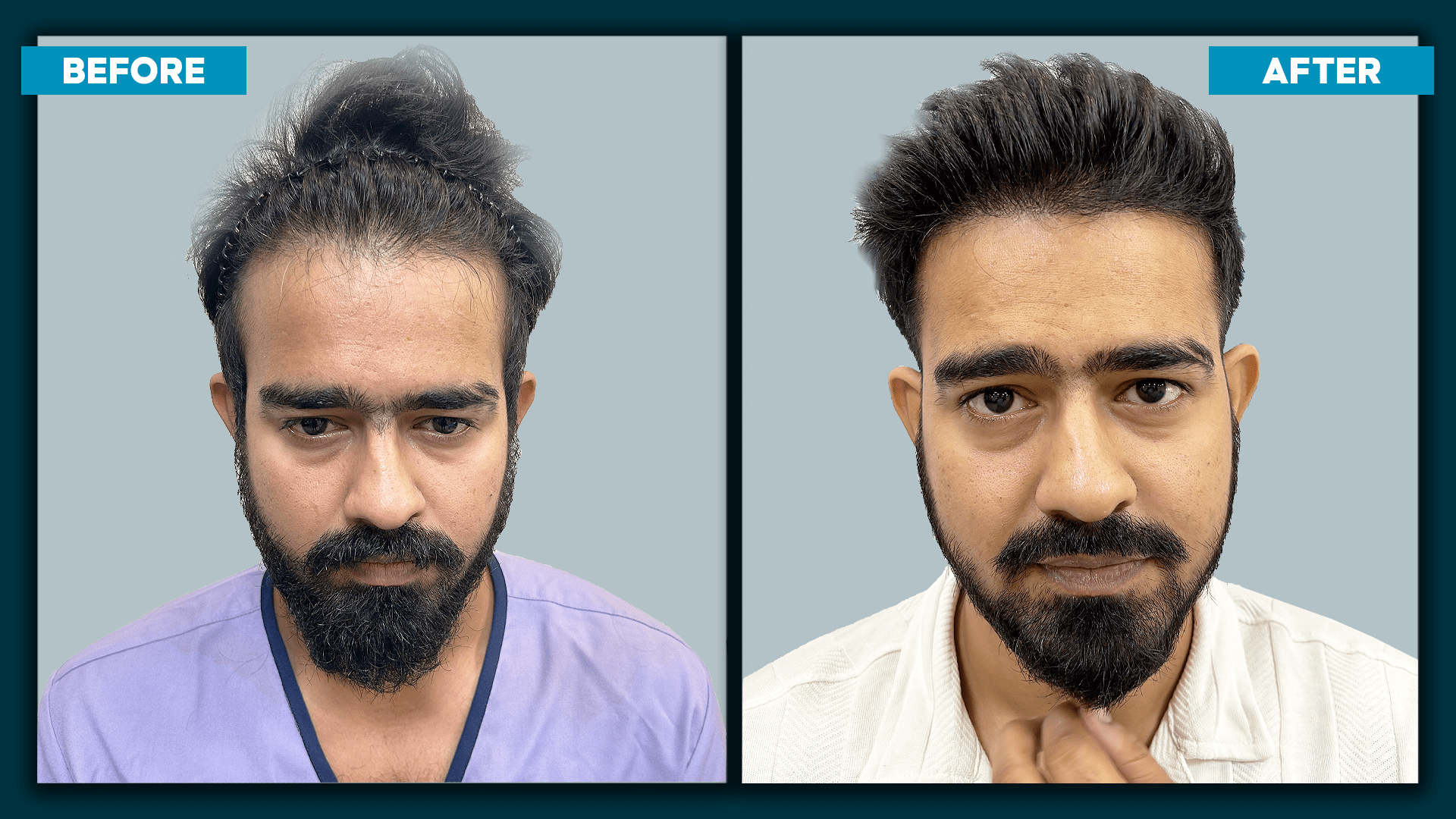
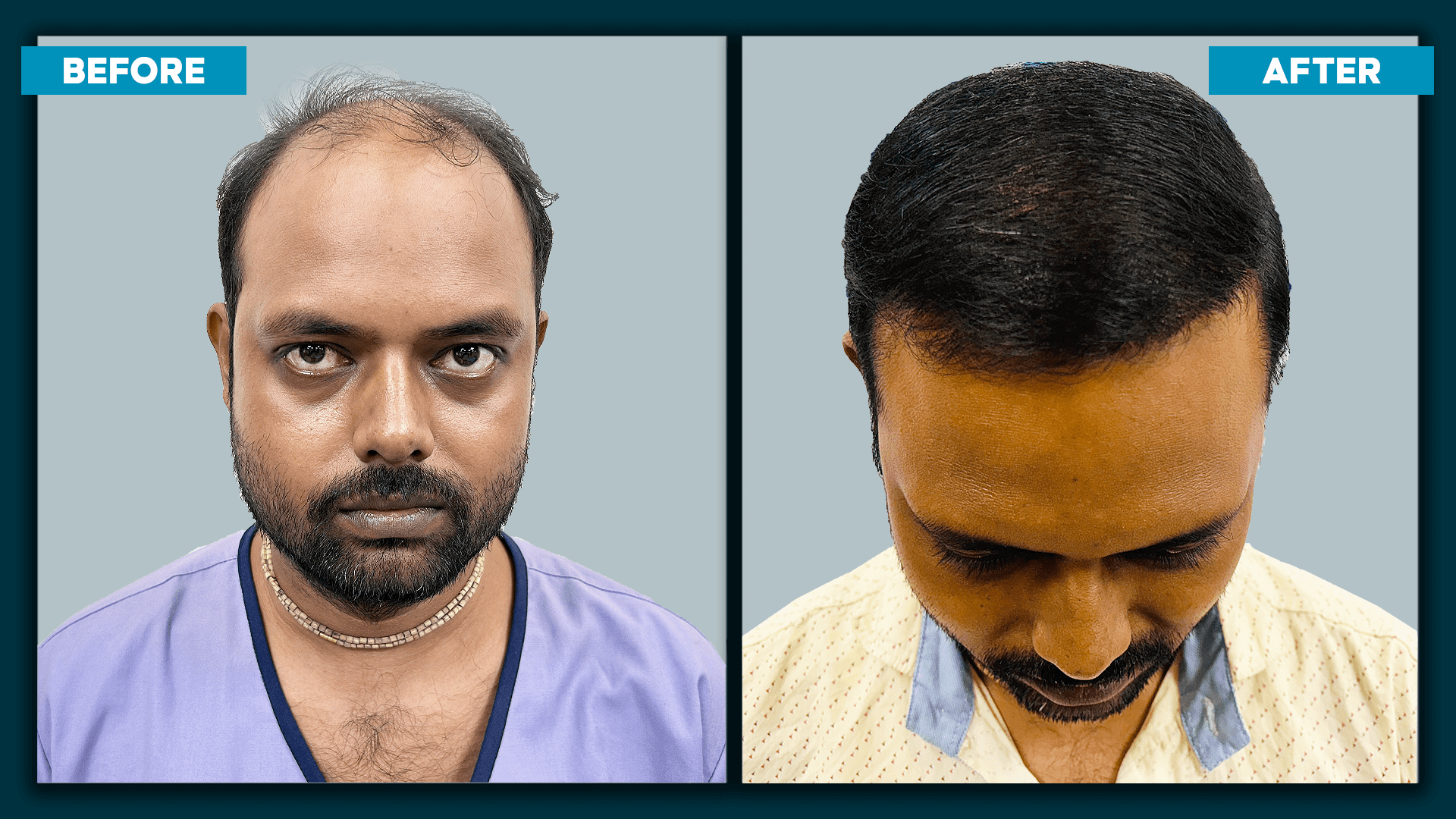
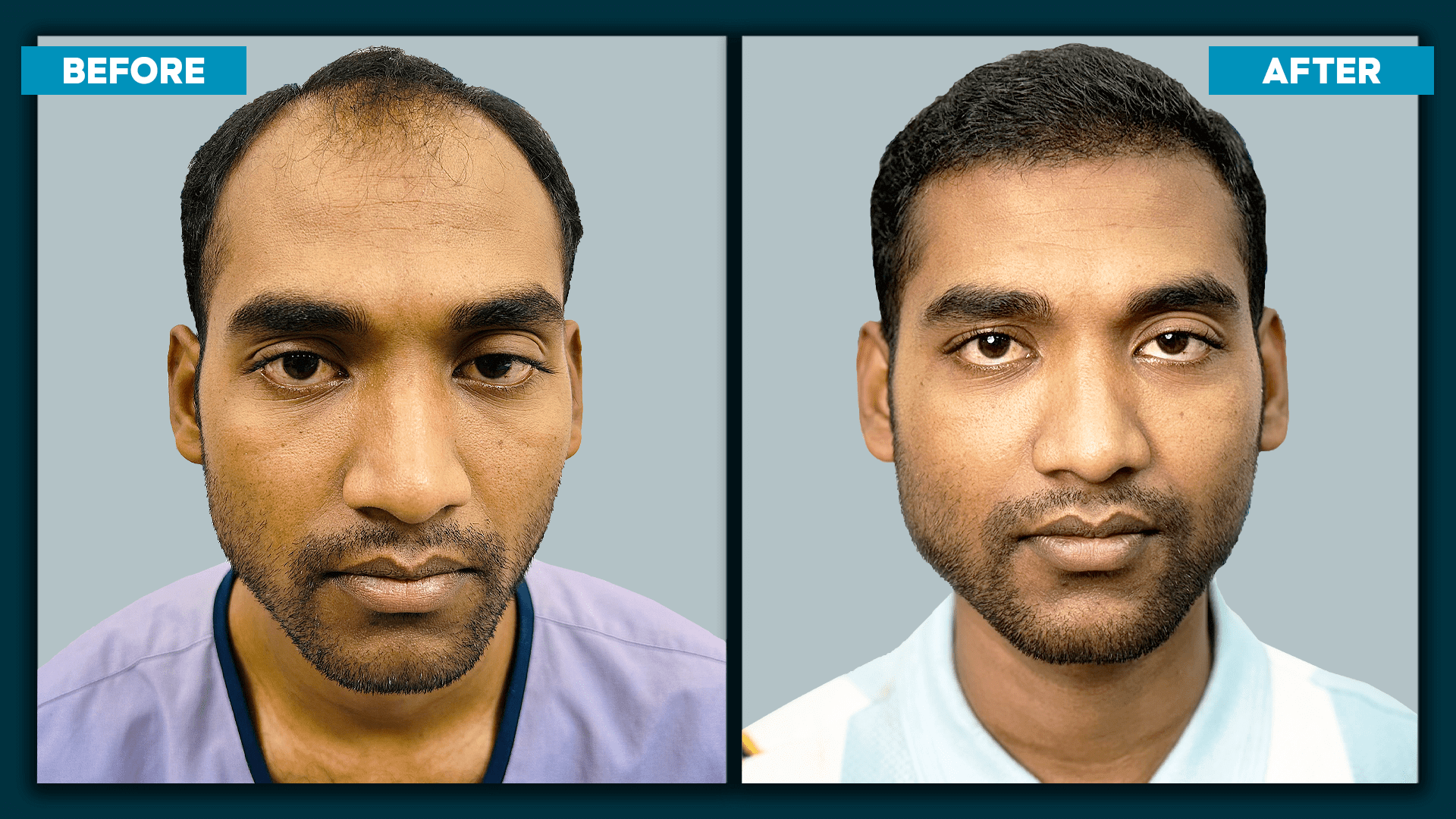
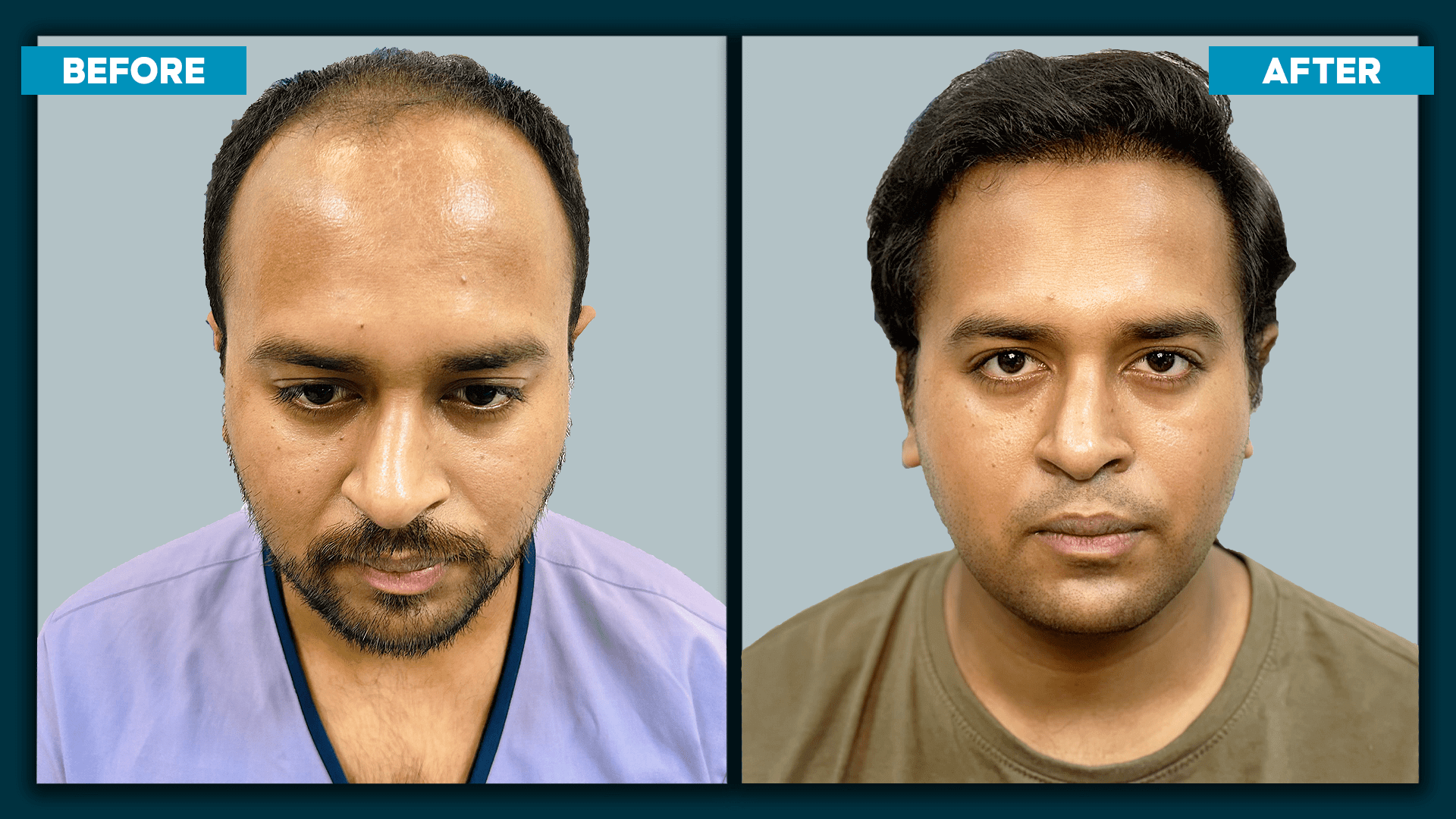
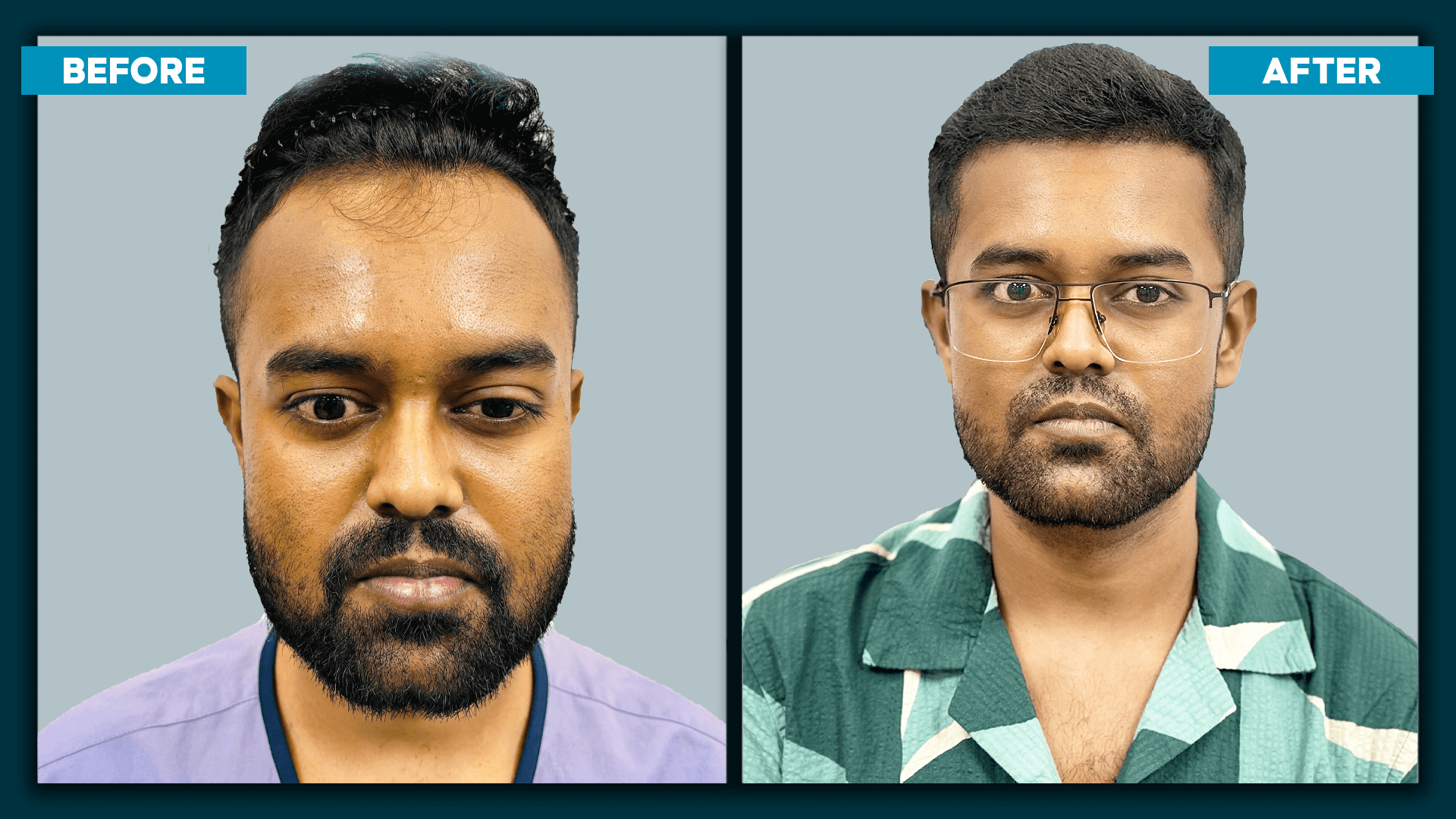
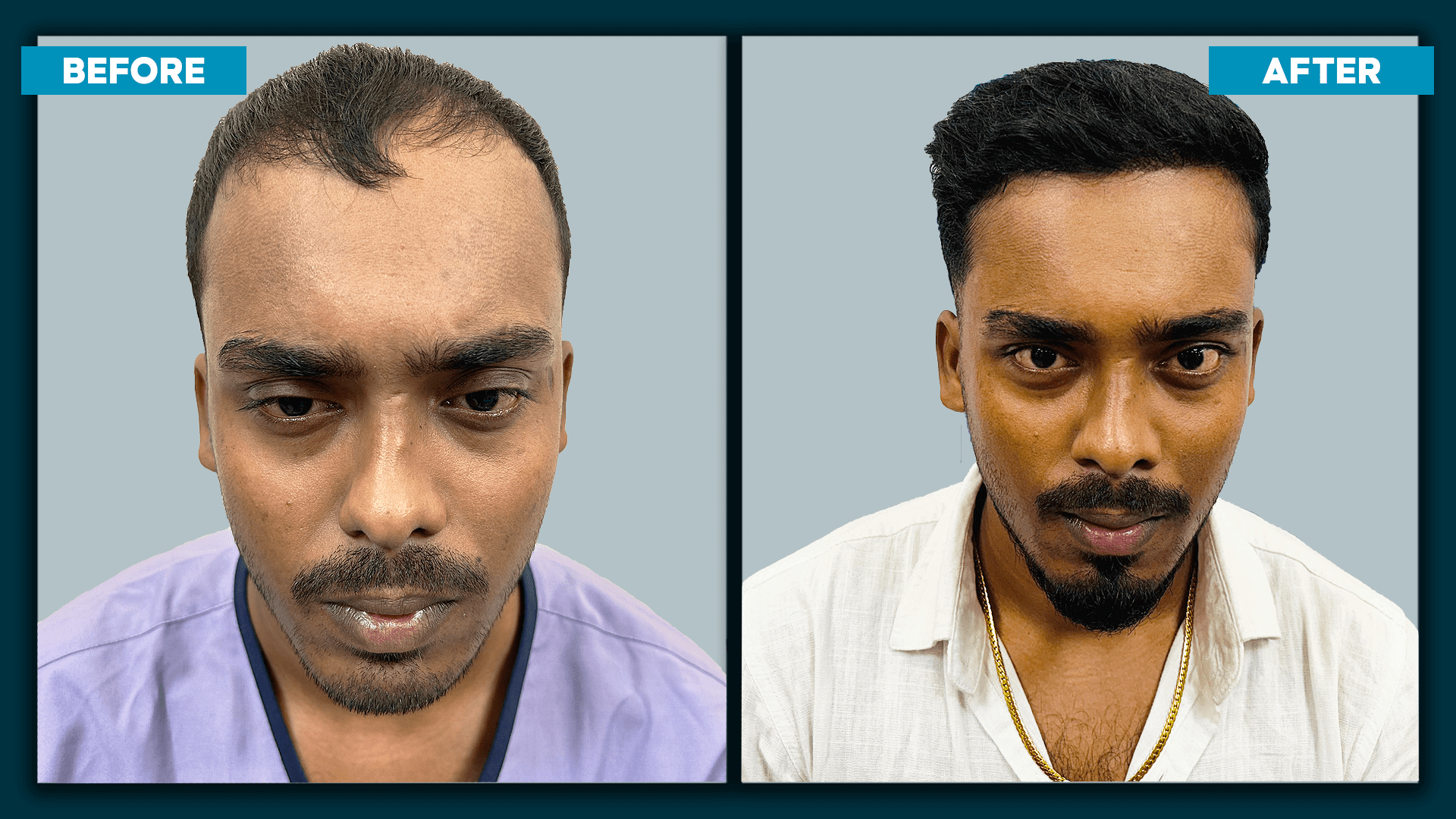
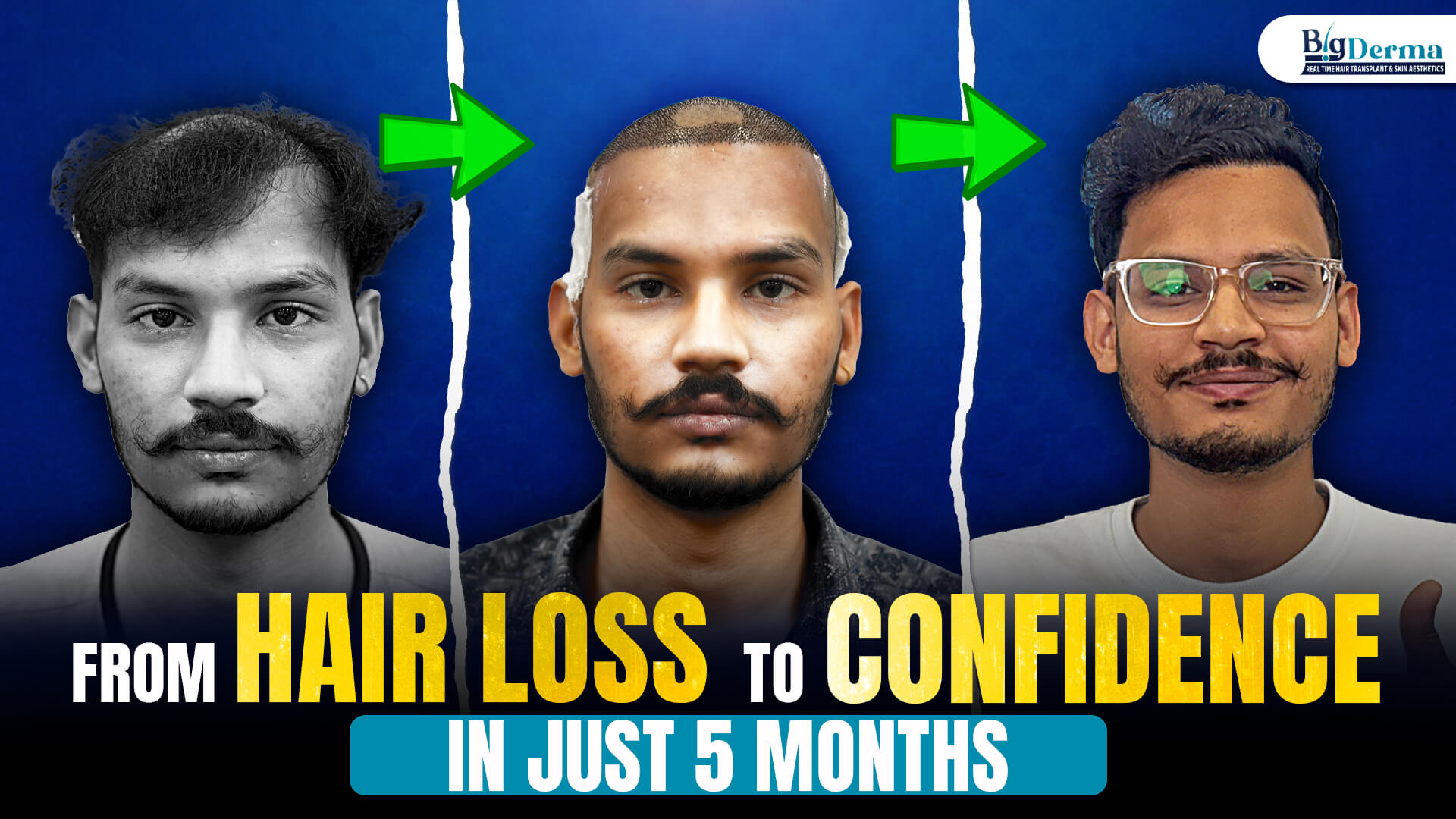

Our Hair Fall & Hair Loss Treatment Options
Topical & Oral Medication
Medical treatments prescribed based on the diagnosed cause and severity of hair loss, following current dermatological practice.
PRP (Platelet-Rich Plasma) Therapy
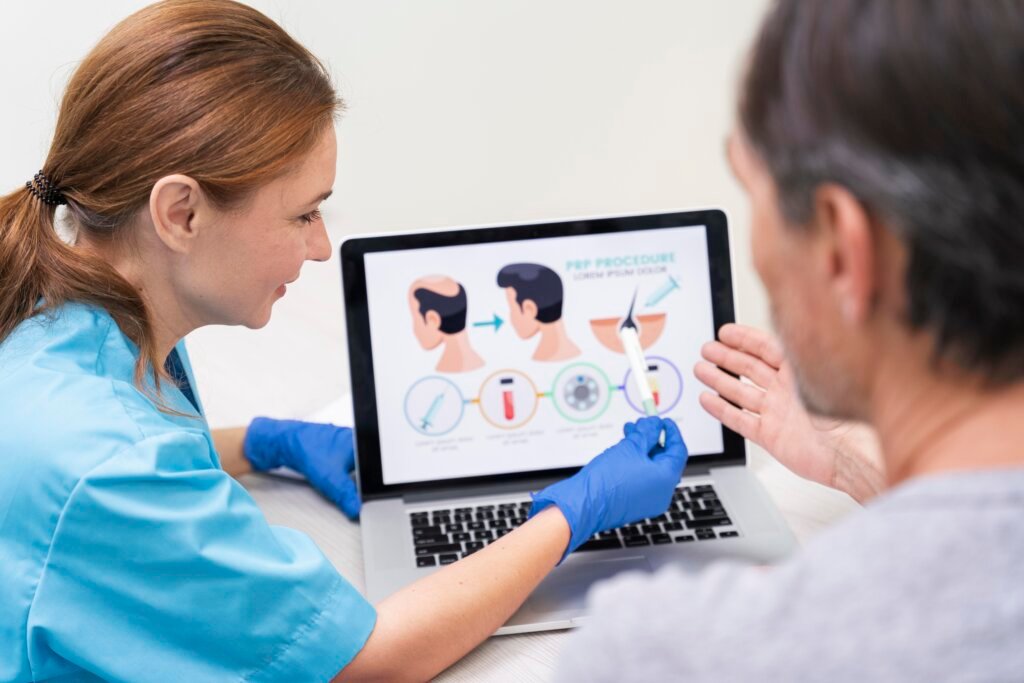
A treatment using components derived from the patient’s own blood, which may be considered for suitable candidates with early to moderate hair thinning. As with any medical procedure, it carries potential risks and is not effective for every patient — this will be discussed in detail during consultation.
Scalp & Lifestyle Assessment
Guidance on nutritional, hormonal, or lifestyle factors that may be contributing to hair fall, with referral to other specialists where relevant.
Hair Transplant (For Advanced or Stable Pattern Hair Loss)
For patients with more advanced or stable pattern hair loss, surgical hair restoration may be discussed as an option, subject to a separate candidacy assessment.
What to Expect at Your Consultation
- Step 1: Detailed History & Scalp Examination : Understanding your hair fall pattern, duration, family history, and any relevant lifestyle or health factors.
- Step 2: Diagnosis : Identifying the likely cause(s) of your hair loss, with further tests recommended if needed, and referral to another specialist if the cause falls outside hair/scalp care.
- Step 3: Treatment Plan : A written treatment plan outlining recommended options, realistic expectations, and an honest discussion of cases where a treatment may not be effective.
- Step 4: Follow-Up & Monitoring : Hair loss treatment often requires monitoring over months; follow-up visits help track progress and adjust the plan, including stopping a treatment that isn't working.
Frequently Asked Questions
No. Some hair fall, such as telogen effluvium, is often temporary and can resolve once the underlying trigger is addressed — but this isn't guaranteed, and a proper diagnosis is needed to determine whether hair loss is temporary or progressive in your specific case.
This varies significantly depending on the cause and treatment type. Non-surgical treatments typically require several months of consistent use before any change can be assessed, and not all patients respond to a given treatment — your doctor will discuss realistic expectations and alternative options if a treatment isn't working for you.
In many cases, non-surgical options such as medication, PRP therapy, or addressing an underlying nutritional or hormonal cause may be appropriate, depending on diagnosis. Surgical options are typically considered separately, for advanced or stable pattern hair loss.
PRP therapy uses components derived from the patient's own blood. As with any medical procedure, it carries potential risks and is not guaranteed to work for every patient — these will be explained in detail during your consultation.
If you notice increased shedding, thinning, or patchy hair loss — especially alongside scalp symptoms or other new symptoms described above — it's advisable to get an evaluation promptly rather than waiting, as some causes respond better to timely treatment.