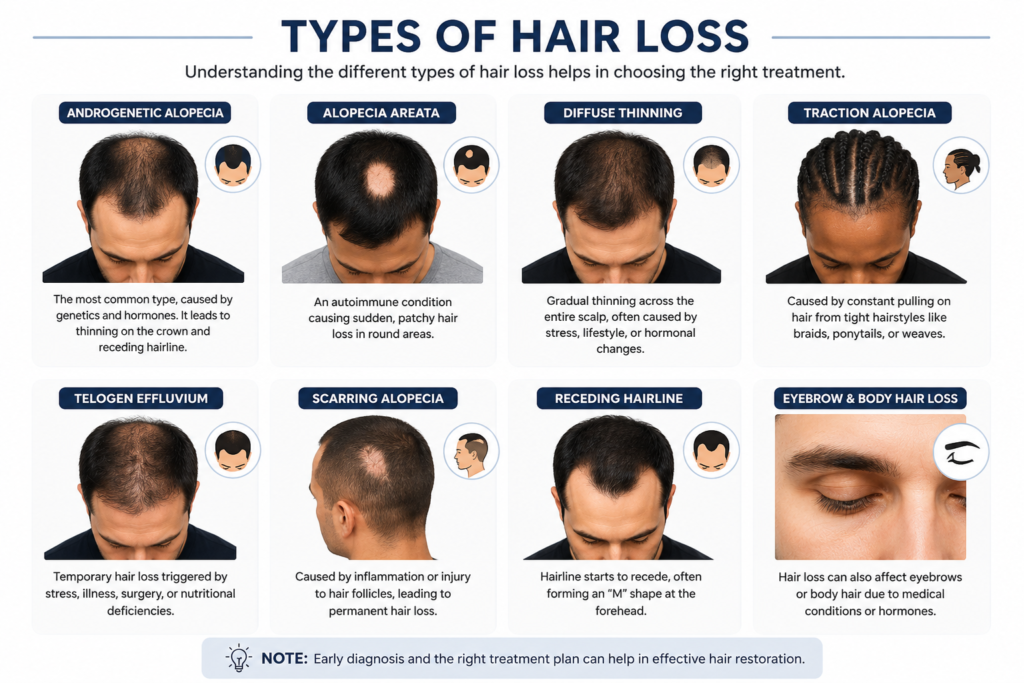
Hair loss is not a single condition but a group of different disorders that affect the hair growth cycle in various ways. It can be triggered by genetics, hormonal changes, autoimmune reactions, infections, stress, nutritional deficiencies, or physical damage to hair follicles. Because each type of hair loss behaves differently, identifying the exact cause is essential for choosing the right treatment and achieving effective long-term results. Below are the most common types of hair loss seen in both men and women.
Androgenetic Alopecia (Male & Female Pattern Hair Loss)
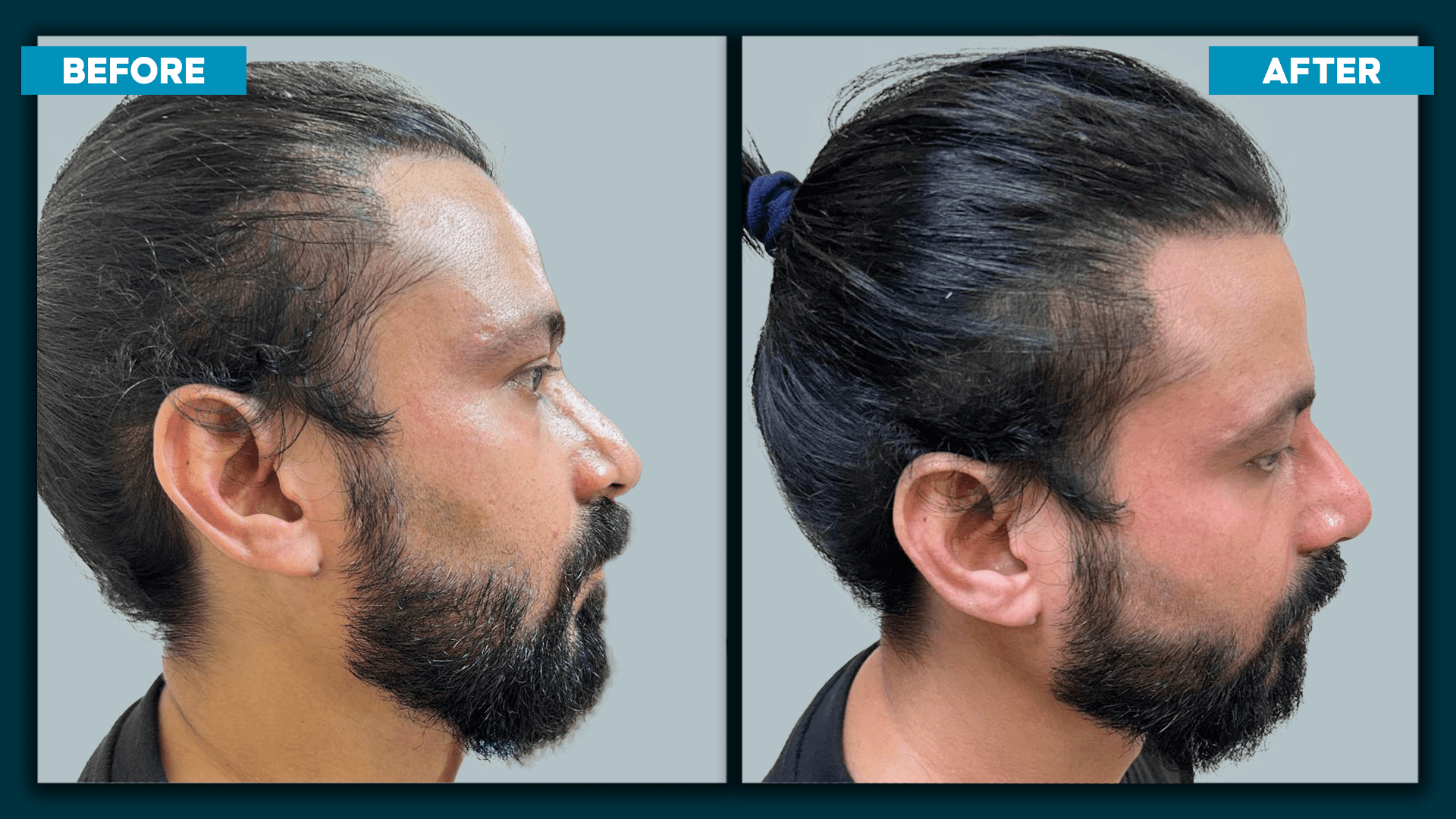
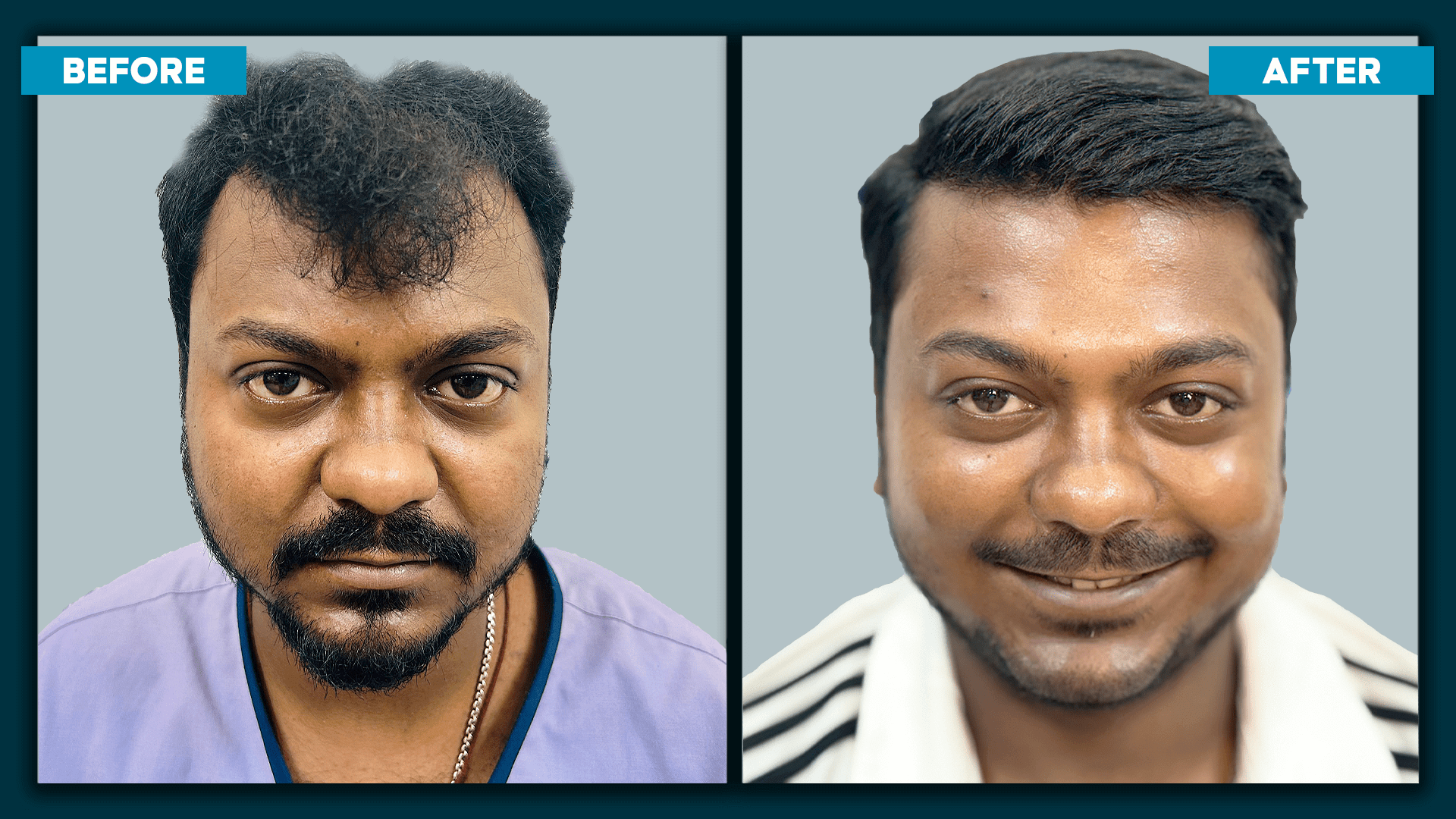
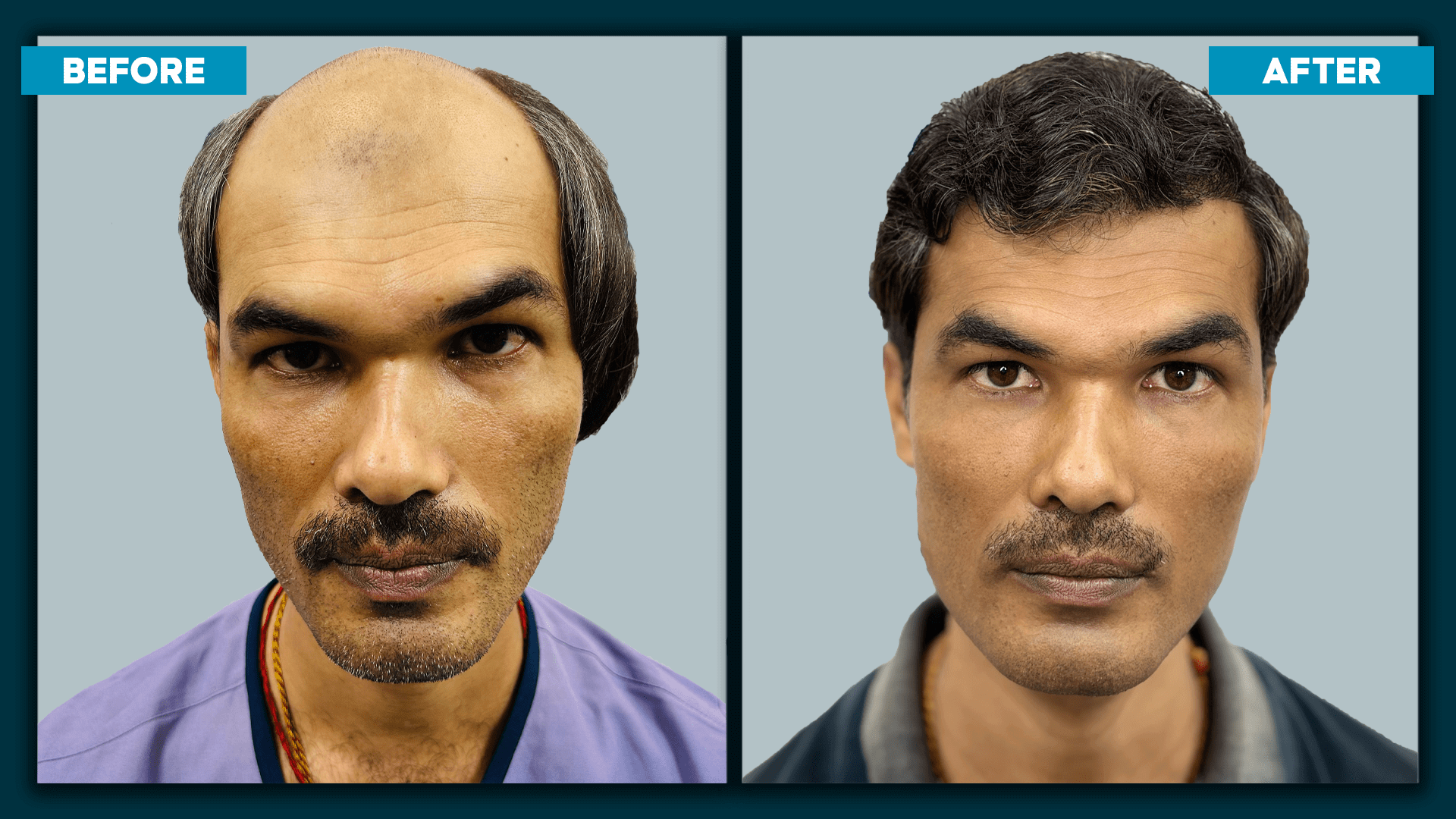
Androgenetic alopecia is the most common form of hair loss worldwide and is primarily influenced by genetic and hormonal factors. It is strongly associated with sensitivity to dihydrotestosterone (DHT), a hormone that gradually causes hair follicles to shrink over time. In men, this condition typically presents as a receding hairline and thinning at the crown, which may eventually progress to more extensive baldness. In women, it usually appears as diffuse thinning over the top of the scalp while the frontal hairline remains largely preserved. Since this is a progressive condition, early diagnosis and timely treatment can help slow down hair loss and maintain existing hair density for longer.
Alopecia Areata
Alopecia areata is an autoimmune condition in which the body’s immune system mistakenly attacks healthy hair follicles, leading to sudden and unpredictable hair loss. It usually appears as smooth, round patches on the scalp but can also affect the beard, eyebrows, and other body areas. The onset is often rapid, and it can occur at any age without warning. In some cases, hair may regrow naturally, while in others, medical treatment is required to manage the immune response and encourage regrowth.
Alopecia Totalis
Alopecia totalis is a more advanced form of alopecia areata that results in complete loss of all scalp hair. Although the hair follicles remain structurally intact, the immune system continuously disrupts normal hair growth. This condition can develop quickly or progress from patchy alopecia areata. Treatment is often focused on controlling the autoimmune activity, although results can vary widely between individuals.
Alopecia Universalis
Alopecia universalis is the most severe form of autoimmune hair loss, leading to complete loss of hair across the entire body, including the scalp, eyebrows, eyelashes, beard, and body hair. This condition can have a significant psychological and emotional impact due to its extensive nature. While some treatments may help manage the immune response or encourage partial regrowth, it often requires long-term care and supportive management.
Telogen Effluvium
Telogen effluvium is a temporary form of diffuse hair shedding that occurs when a large number of hair follicles shift prematurely into the resting phase of the hair cycle. It is commonly triggered by physical or emotional stress, surgery, illness, childbirth, rapid weight loss, or nutritional deficiencies. Hair shedding typically becomes noticeable a few months after the triggering event. The condition is usually reversible, and hair growth often returns to normal once the underlying cause is addressed.
Tinea Capitis
Tinea capitis is a fungal infection of the scalp that can lead to patchy hair loss along with itching, redness, and scaling. It is more common in children but can also affect adults. In some cases, broken hair strands may appear as small black dots on the scalp. Because it is contagious, early diagnosis and antifungal treatment are important to prevent spread and avoid potential long-term hair damage.
Trichotillomania
Trichotillomania is a psychological condition characterized by a compulsive urge to pull out one’s own hair. This can result in uneven, patchy hair loss on the scalp, eyebrows, eyelashes, or other body areas. It is often associated with stress, anxiety, or emotional distress. Treatment typically focuses on behavioral therapy and psychological support rather than standard hair growth medications, as the condition is rooted in behavior rather than follicle dysfunction.
Traction Alopecia
Traction alopecia occurs when hair follicles are repeatedly subjected to excessive tension, often due to tight hairstyles such as braids, ponytails, buns, or hair extensions. It usually begins around the hairline and temples, where pulling forces are strongest. In early stages, the condition is reversible if the tension is removed. However, prolonged or repeated traction can lead to permanent follicle damage and irreversible hair loss.
Understanding Your Hair Loss Type Matters
Different types of hair loss require different treatment approaches. While some conditions are temporary and fully reversible, others are chronic and require long-term medical management. Accurate diagnosis by a qualified hair specialist is the most important step in identifying the underlying cause and selecting the most effective treatment plan. Understanding your specific type of hair loss not only helps in controlling progression but also improves the chances of successful hair regrowth over time.