Hair Loss Guide: Causes, Types & Symptoms
Hair loss, medically known as alopecia, is a common condition in which a person experiences thinning of hair or loss of hair from the scalp or other parts of the body. Normally, losing around 50 to 100 hairs per day is part of the natural hair growth cycle, but hair loss occurs when this cycle is disrupted and new hair does not grow back properly to replace the fallen strands.
It can happen gradually or suddenly and may be temporary or permanent, depending on the cause. Hair loss is linked to various factors such as genetics, hormonal changes, stress, medical conditions, infections, nutritional deficiencies, or certain medications. In simple terms, hair loss means an imbalance in the normal hair growth process that leads to excessive shedding or visible thinning.
Types of Hair Loss
Hair loss, or alopecia, is a common condition that happens when the natural hair growth cycle gets disrupted. Normally, hair goes through a continuous cycle of growth, rest, and shedding, but when this balance is disturbed, it can lead to excessive hair fall, thinning, or visible bald patches. Broadly, hair loss is divided into two main types: non-scarring hair loss, where the hair follicles stay alive and regrowth is possible, and scarring hair loss, where the follicles are permanently damaged and cannot produce new hair.
The most common form of hair loss is androgenetic alopecia, also known as pattern baldness. This usually develops slowly over time due to genetic and hormonal factors, causing a receding hairline in men and overall thinning in women, especially around the parting area. Another frequent type is telogen effluvium, which often appears suddenly after stress, illness, childbirth, or other major physical or emotional triggers. In this case, a large number of hairs shift into the resting phase and shed more than usual, but it is generally temporary and reversible once the cause is resolved.
There are also other non-scarring conditions that affect hair growth in different ways. Alopecia areata is an autoimmune condition where the body mistakenly attacks hair follicles, leading to sudden round or patchy hair loss. Traction alopecia occurs due to constant pulling on the hair from tight hairstyles like braids or ponytails, and it can become permanent if the stress continues for a long time. Anagen effluvium is typically linked to medical treatments such as chemotherapy, causing rapid hair loss during the growth phase, while trichotillomania is a psychological condition where repeated hair pulling leads to uneven bald patches. In addition, tinea capitis, a fungal infection of the scalp, can also cause patchy hair loss along with redness and scaling.
On the other hand, scarring types of hair loss are more serious because they permanently destroy the hair follicles. Conditions like frontal fibrosing alopecia gradually push the hairline backward and may also affect eyebrows, while central centrifugal cicatricial alopecia starts at the crown and spreads outward, often linked to harsh hair treatments or heat styling. More severe inflammatory conditions like dissecting cellulitis of the scalp can cause painful lumps and permanent scarring, leading to irreversible hair loss.
Overall, each type of hair loss has a different cause and pattern, whether it appears as gradual thinning, sudden shedding, patchy bald spots, or inflammation of the scalp. Understanding these differences is important because identifying the correct type of hair loss is the first step toward choosing the right treatment and managing the condition effectively.
Symptoms of Hair Loss
Hair loss usually doesn’t start suddenly. In most cases, it develops slowly over time, and the early signs can be easy to overlook. One of the first things people often notice is more hair shedding than usual. You may see extra hair on your pillow, in the shower drain, or on your comb. Normally, losing about 50–100 hairs a day is considered normal, but when it consistently goes beyond that, it may signal a hair health problem.
A common pattern in both men and women is a receding hairline or gradual thinning on the top of the scalp. In men, this often progresses into an “M-shaped” hairline, while in women it is usually seen as a widening of the part line along with reduced hair volume.
Another typical sign is thinning around the crown area, where the scalp starts becoming more visible as the hair density decreases. In more noticeable cases, some people may develop patchy bald spots, which appear as smooth, round, or uneven areas where hair is completely missing on the scalp or other parts of the body.
Many people also realize their ponytail feels thinner than before, even though the hair length hasn’t changed. This subtle change is often one of the early cosmetic signs of reduced hair density. As the condition continues, the scalp becomes more visible, especially under bright light or when the hair is styled in certain ways.
Sometimes, hair loss is also linked with changes in the scalp itself. You may experience itching, redness, flaking, or mild tenderness, which can suggest issues like dandruff, infection, or inflammation. Along with this, the hair may become weaker, drier, and more prone to breakage, even with normal brushing or washing.
Overall, hair loss can appear in different forms—from slight thinning to clearly visible bald patches. Recognizing these early signs can help in taking timely action and managing the condition more effectively.
Causes of Hair Loss
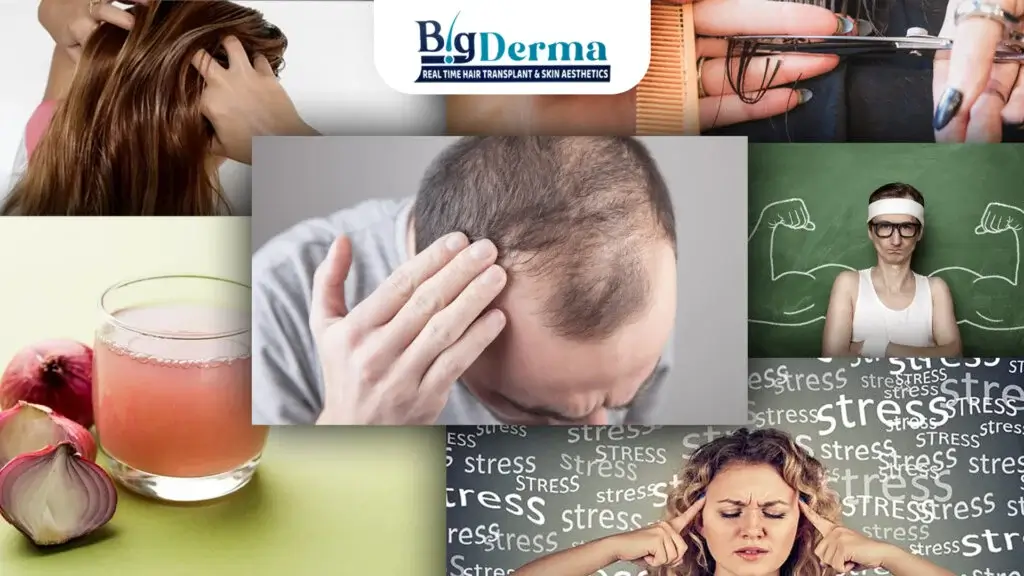
Hair loss is not caused by a single factor it usually develops due to a mix of genetics, hormones, lifestyle, stress, and underlying health conditions. In many people, it builds up slowly over time, while in others it can appear suddenly or in specific patterns. Understanding the root cause is important because each type of hair loss behaves differently and requires a different approach.
One of the most common causes is male pattern hair loss, also known as androgenetic alopecia. This condition is mainly linked to genetics and sensitivity to the hormone DHT, which gradually weakens hair follicles. Over time, the follicles shrink, producing thinner and weaker hair. This is why men typically notice a receding hairline or thinning at the crown that slowly progresses with age.
In women, female pattern hair loss is a frequent cause of gradual thinning. It is usually influenced by genetics, hormonal changes, aging, and sometimes conditions like menopause or PCOS. Instead of a receding hairline, women often experience a widening part line and reduced volume across the top of the scalp. The process is slow but can significantly affect hair density and appearance.
Another important cause is telogen effluvium, a temporary form of hair loss that occurs when the normal hair cycle is disrupted. This often happens after physical or emotional stress, illness, surgery, childbirth, or sudden weight loss. A large number of hairs enter the shedding phase at the same time, leading to noticeable hair fall. The good news is that this type is usually reversible once the trigger is addressed.
Alopecia areata is an autoimmune condition where the body’s immune system mistakenly attacks healthy hair follicles. This leads to sudden, round patchy bald spots on the scalp or other areas. The condition can be unpredictable, with some people experiencing regrowth while others may have repeated episodes.
Traction alopecia develops due to continuous tension on the hair roots, often caused by tight hairstyles like braids, ponytails, buns, or extensions. Over time, this constant pulling weakens the follicles, especially around the hairline. If caught early, it can be reversed, but long-term tension may lead to permanent damage.
Trichotillomania is a psychological cause of hair loss where a person repeatedly pulls out their own hair due to stress, anxiety, or emotional triggers. This results in uneven, patchy bald areas. With proper behavioral therapy and support, hair regrowth is often possible once the habit is controlled.
In summary, hair loss can result from a wide range of causes, from genetics and hormones to stress, behavior, and immune conditions. Identifying the exact reason behind hair fall is the first and most important step toward effective treatment and long-term recovery.
Hair Loss Treatment
Hair loss treatment today is highly diverse, ranging from simple topical solutions to advanced surgical procedures, and the right approach usually depends on the severity of hair loss, its underlying cause, and whether it affects men or women differently.
One of the most widely used first-line treatments is Minoxidil, a topical solution that helps stimulate hair follicles and improve blood circulation in the scalp. It is commonly used by both men and women to slow down hair fall and promote regrowth. With consistent use over several months, it can help strengthen thinning areas, although continued application is needed to maintain results.
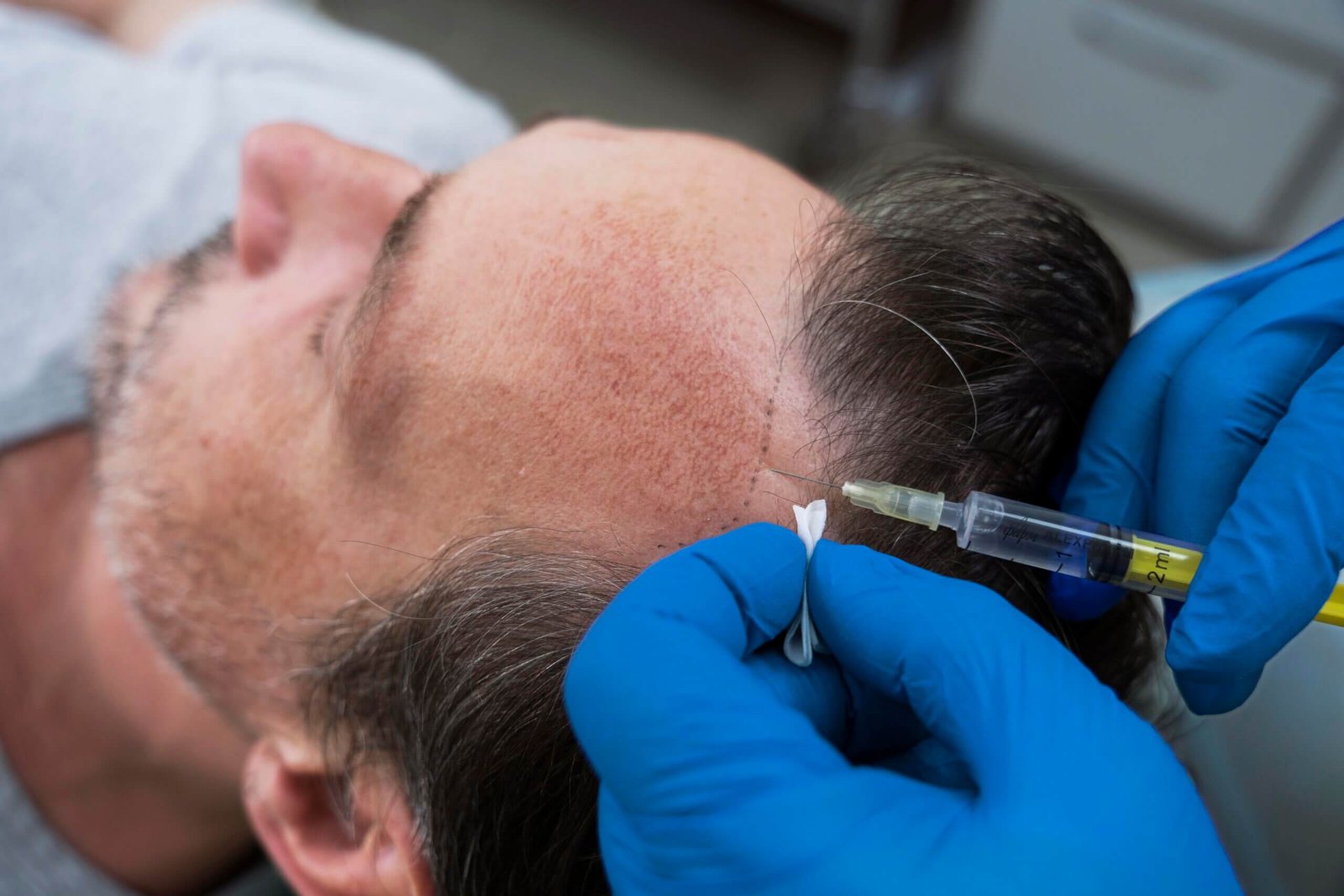
For patients seeking more advanced non-surgical options, PRP (Platelet-Rich Plasma) therapy is a popular clinical treatment. In this procedure, a small amount of the patient’s blood is processed to extract growth factors, which are then injected into the scalp. These growth factors help reactivate weakened hair follicles, improve hair density, and slow down progressive thinning. A more refined version of this is GFC (Growth Factor Concentrate) therapy, which uses a higher concentration of purified growth factors, often resulting in stronger follicle stimulation and improved hair quality compared to standard PRP.
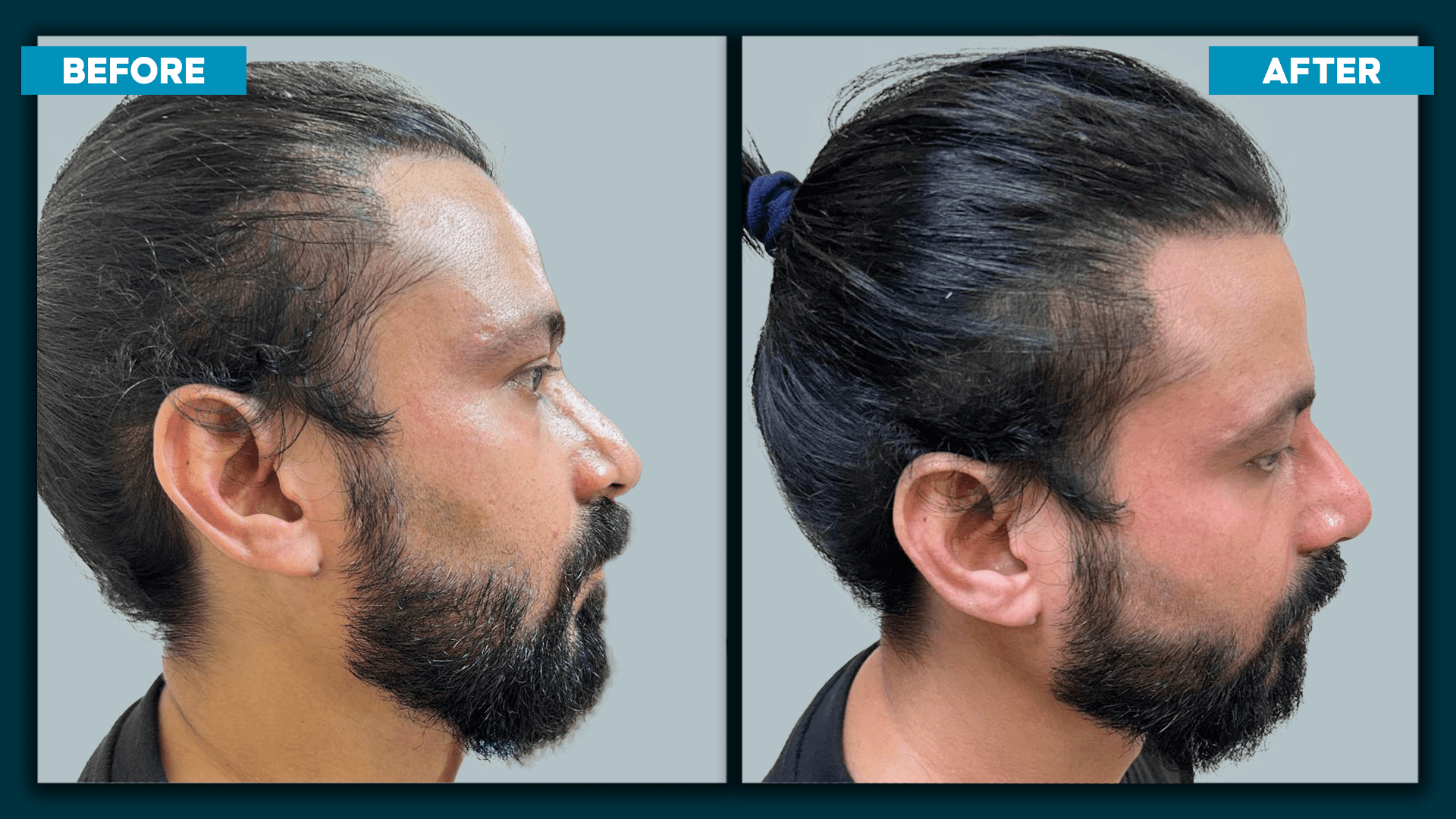
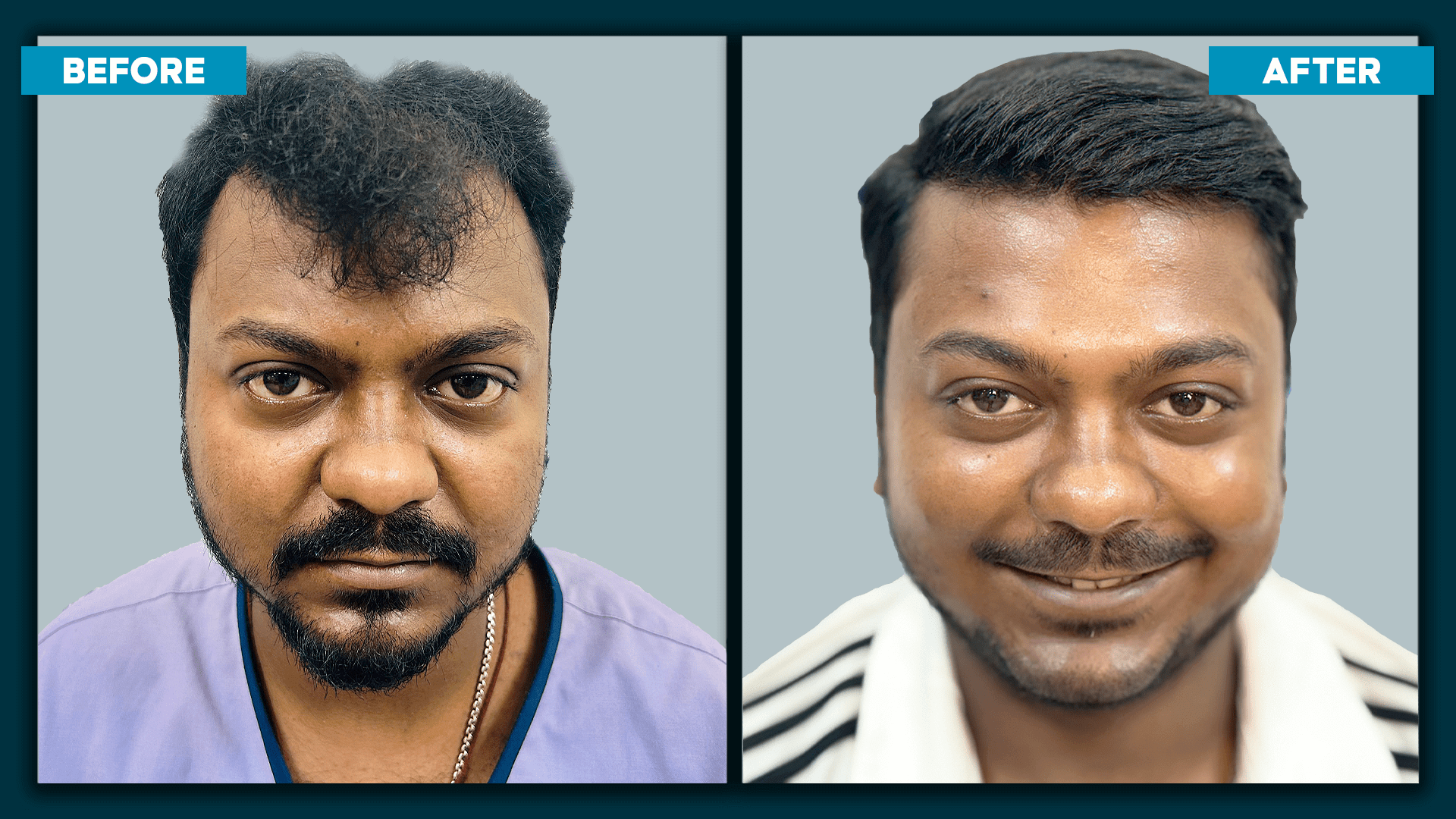
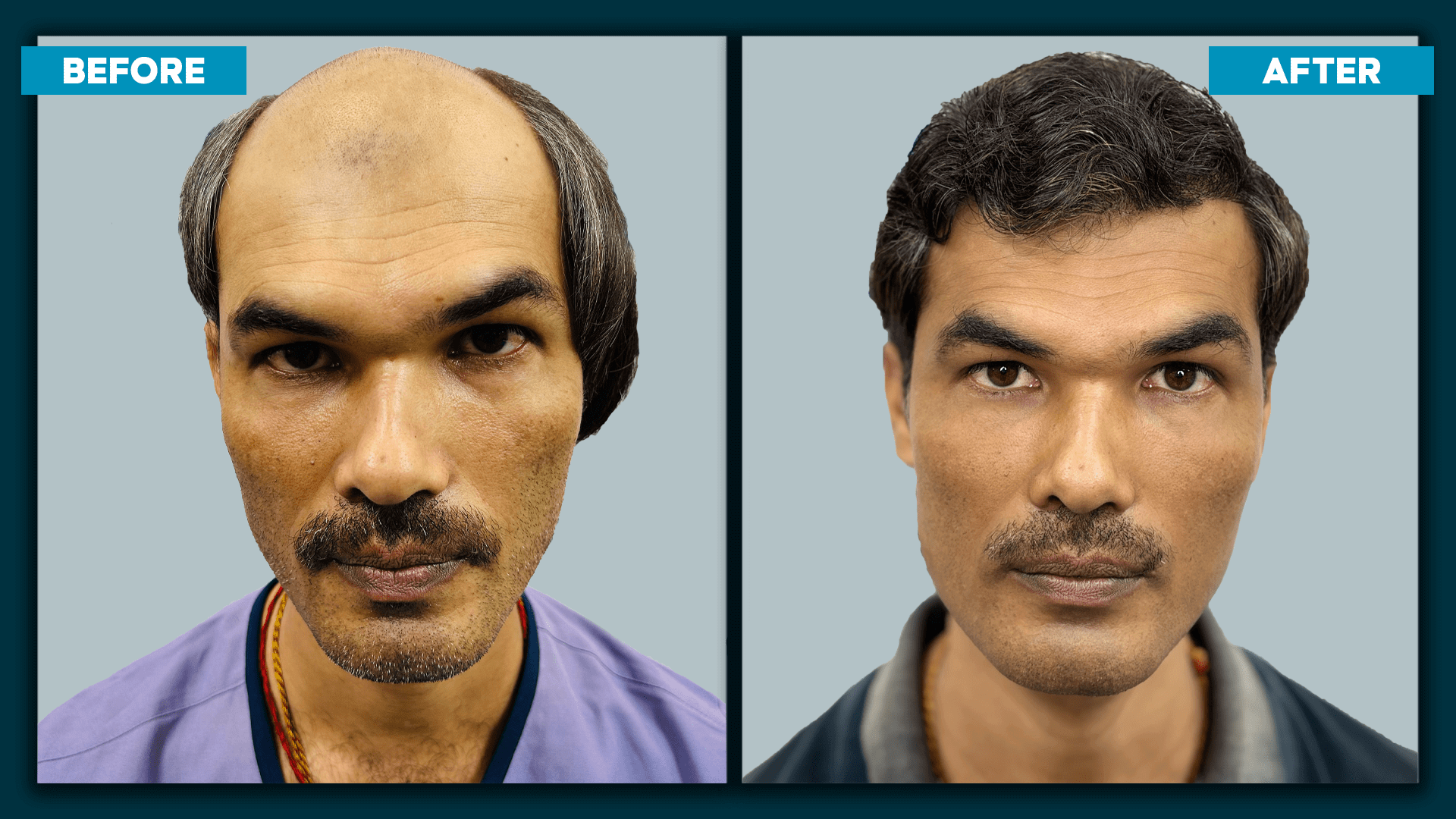
When hair loss becomes more advanced or permanent, hair transplant surgery offers a long-term solution. In this procedure, healthy hair follicles are extracted from the donor area (usually the back or sides of the scalp) and implanted into bald or thinning regions. For male hair transplant, the focus is often on restoring receding hairlines, crown baldness, and pattern baldness caused by genetics and DHT sensitivity. For female hair transplant, the approach is more delicate, as women usually experience diffuse thinning rather than complete bald patches, requiring careful density design to maintain a natural look.
Alongside medical and surgical treatments, home remedies and lifestyle care also play a supportive role. A balanced diet rich in iron, protein, zinc, and vitamins helps strengthen hair from the inside. Natural oils like coconut, rosemary, and castor oil can improve scalp health, while reducing stress, avoiding heat styling, and minimizing chemical treatments can prevent further damage. Though home remedies alone cannot reverse genetic hair loss, they can significantly support medical treatments.
Overall, effective hair restoration is not based on a single method but a combination approach starting from Minoxidil and scalp care, moving to PRP or GFC for early to moderate thinning, and progressing to hair transplant in advanced cases, with treatment strategies tailored differently for men and women.
If you are suffering from hair loss and looking for a long-term or permanent solution, a structured treatment approach that includes PRP therapy, GFC treatment, and hair transplant surgery can be highly effective depending on the severity and cause of hair loss. In the early to moderate stages, PRP (Platelet-Rich Plasma) therapy helps stimulate weak hair follicles by using growth factors derived from your own blood, improving hair thickness and reducing shedding. A more advanced option, GFC (Growth Factor Concentrate) therapy, delivers a higher concentration of purified growth factors, which can further enhance follicle activation, improve hair density, and support stronger regrowth compared to traditional PRP.
When hair loss becomes more advanced or permanent, hair transplant surgery is considered the most reliable solution. This procedure restores natural hair growth by transplanting healthy follicles from the donor area (usually the back or sides of the scalp) to thinning or bald regions. Modern techniques such as FUE (Follicular Unit Extraction) and DHI (Direct Hair Implantation) ensure precise graft placement, natural hairline design, minimal discomfort, faster recovery, and long-lasting results.
If you are considering a complete and advanced solution for hair restoration, choosing the right clinic for a hair transplant in Kolkata is very important. A proper diagnosis, experienced surgeon, and personalized treatment plan combining PRP, GFC, and advanced transplant techniques can help achieve safe, natural-looking, and permanent results that restore both hair density and confidence.