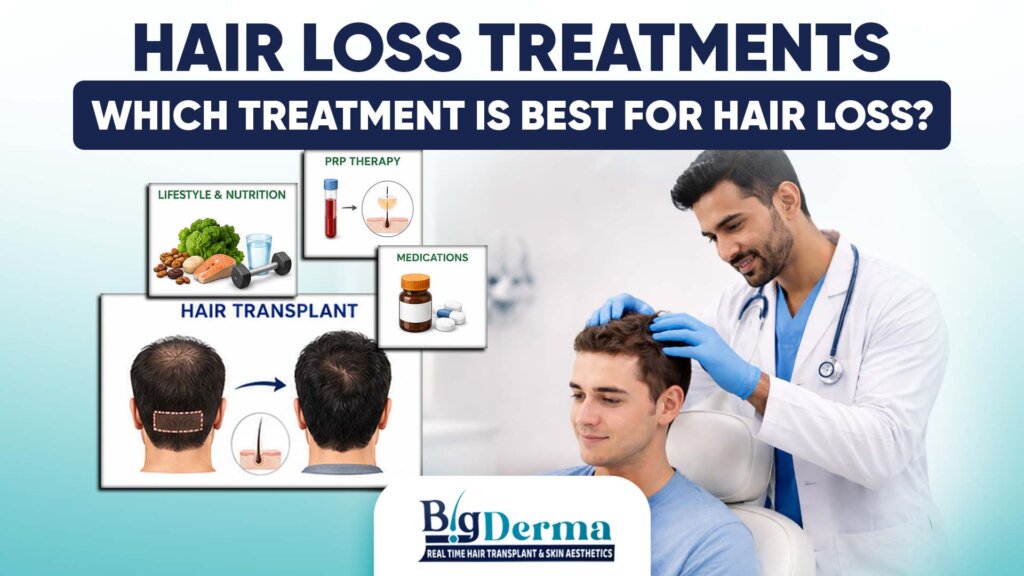
All Hair Loss Treatments: Which Treatment Is Best for Hair Loss?
Hair loss is one of the most common concerns affecting both men and women today. Some people notice a gradually receding hairline, while others experience thinning at the crown, excessive hair shedding, or visible bald patches. Although hair loss can be frustrating, the good news is that modern medicine offers a wide range of effective treatment options.
The key to successful hair restoration is identifying the underlying cause. Hair loss may occur due to genetics, hormonal changes, nutritional deficiencies, stress, medical conditions, or scalp disorders. Once the cause is identified, a personalized treatment plan can help slow hair loss, improve hair density, and in many cases stimulate new growth.
1. Minoxidil: The First-Line Treatment for Hair Loss in Men and Women
Minoxidil is one of the most widely recommended treatments for early-stage hair loss in both men and women. Available as a topical solution or foam, it is applied directly to the scalp and works by increasing blood flow around hair follicles. This improved circulation helps nourish the follicles, prolong the hair growth phase, and support healthier hair growth.
Many people begin using Minoxidil when they notice thinning hair, a receding hairline, or excessive hair shedding. With consistent use, it can help slow hair loss, improve hair density, and promote thicker, healthier-looking hair. Since hair growth is a gradual process, noticeable results typically take several months to appear.
2. Finasteride: Targeting the Root Cause of Male Pattern Baldness
For men experiencing hereditary hair loss, Finasteride remains one of the most effective medical treatments available. Male pattern baldness is largely influenced by DHT (Dihydrotestosterone), a hormone that gradually causes hair follicles to shrink.
Finasteride works by reducing DHT levels in the scalp, helping to protect existing hair and slow the progression of hair loss. Many men notice reduced shedding and improved hair density when the medication is used consistently under medical supervision.
3. PRP Therapy: Stimulating Hair Growth Naturally
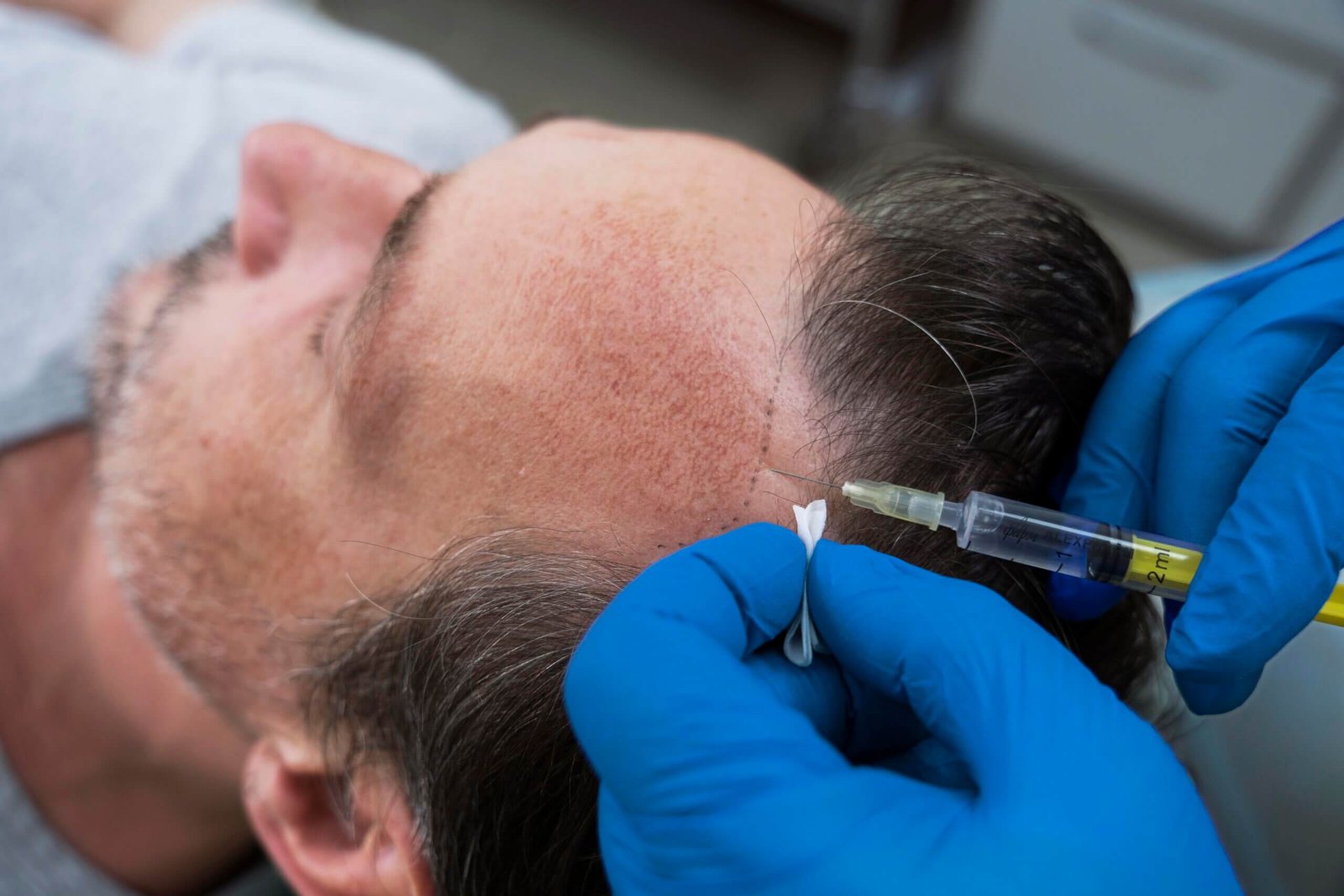
Platelet-Rich Plasma (PRP) Therapy has become a popular non-surgical solution for hair restoration. This treatment uses the body’s own natural growth factors to support hair growth and improve scalp health.
During the procedure, a small amount of blood is collected and processed to concentrate the platelets. The platelet-rich plasma is then injected into areas affected by hair thinning. These growth factors help strengthen weak follicles, improve blood supply, and stimulate healthier hair growth.
PRP is often recommended for individuals experiencing early to moderate hair loss and is frequently combined with other treatments for better results.
4.GFC Therapy: Advanced Growth Factor Concentrate Hair Loss Treatment for Men and Women
Growth Factor Concentrate (GFC) Therapy is one of the latest advancements in regenerative hair restoration. Similar to PRP, GFC uses growth factors derived from the patient’s own blood. However, the process isolates a highly concentrated and purified form of growth factors that directly target weakened hair follicles.
These growth factors help activate dormant follicles, reduce hair fall, improve scalp quality, and support stronger hair growth. Because GFC contains concentrated growth factors without many of the blood components found in PRP, the treatment is often associated with less inflammation and greater comfort.
GFC Therapy is particularly beneficial for people with early to moderate hair thinning and can be used alongside Minoxidil, PRP, or hair transplant procedures to maximize results.
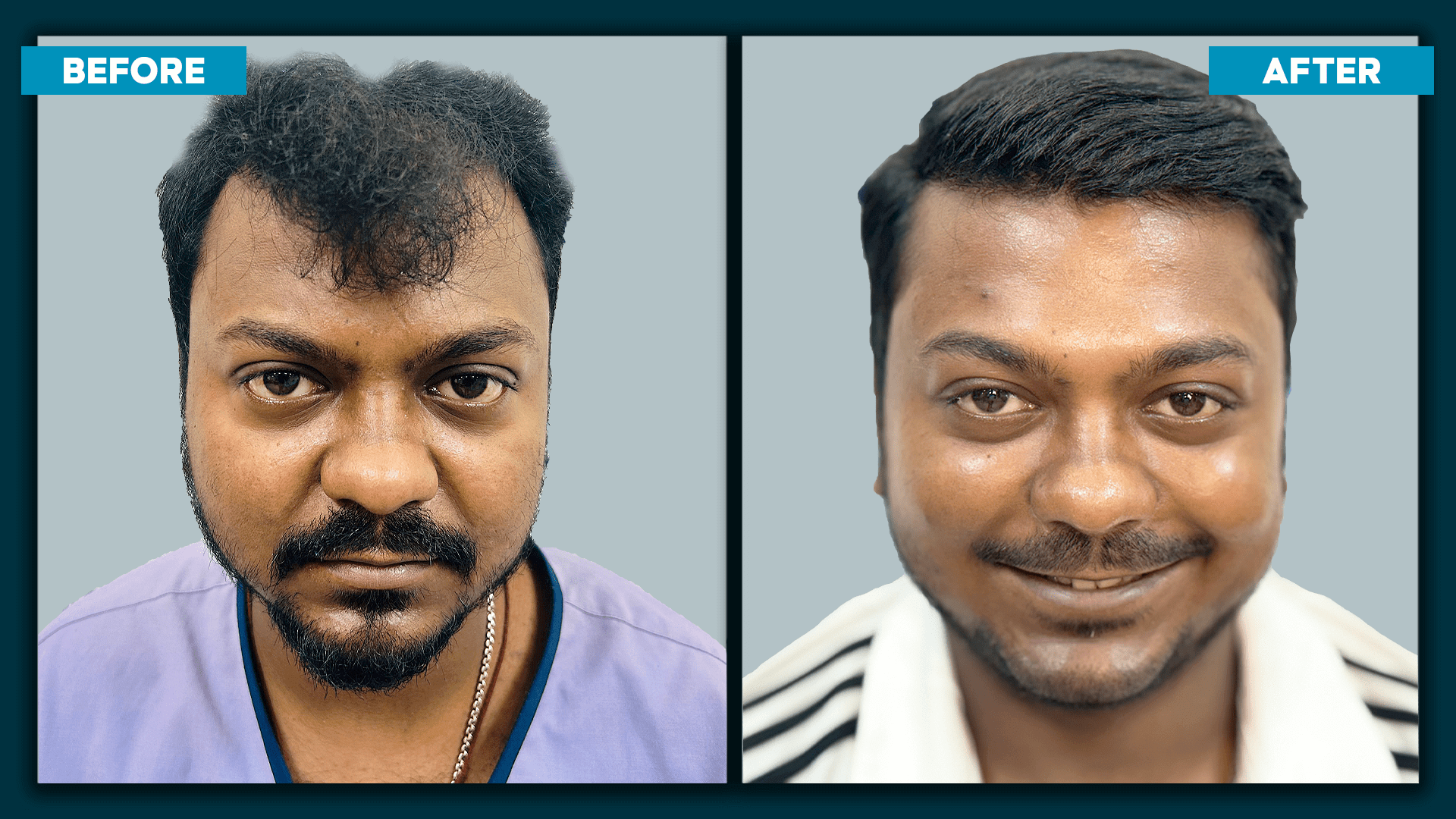
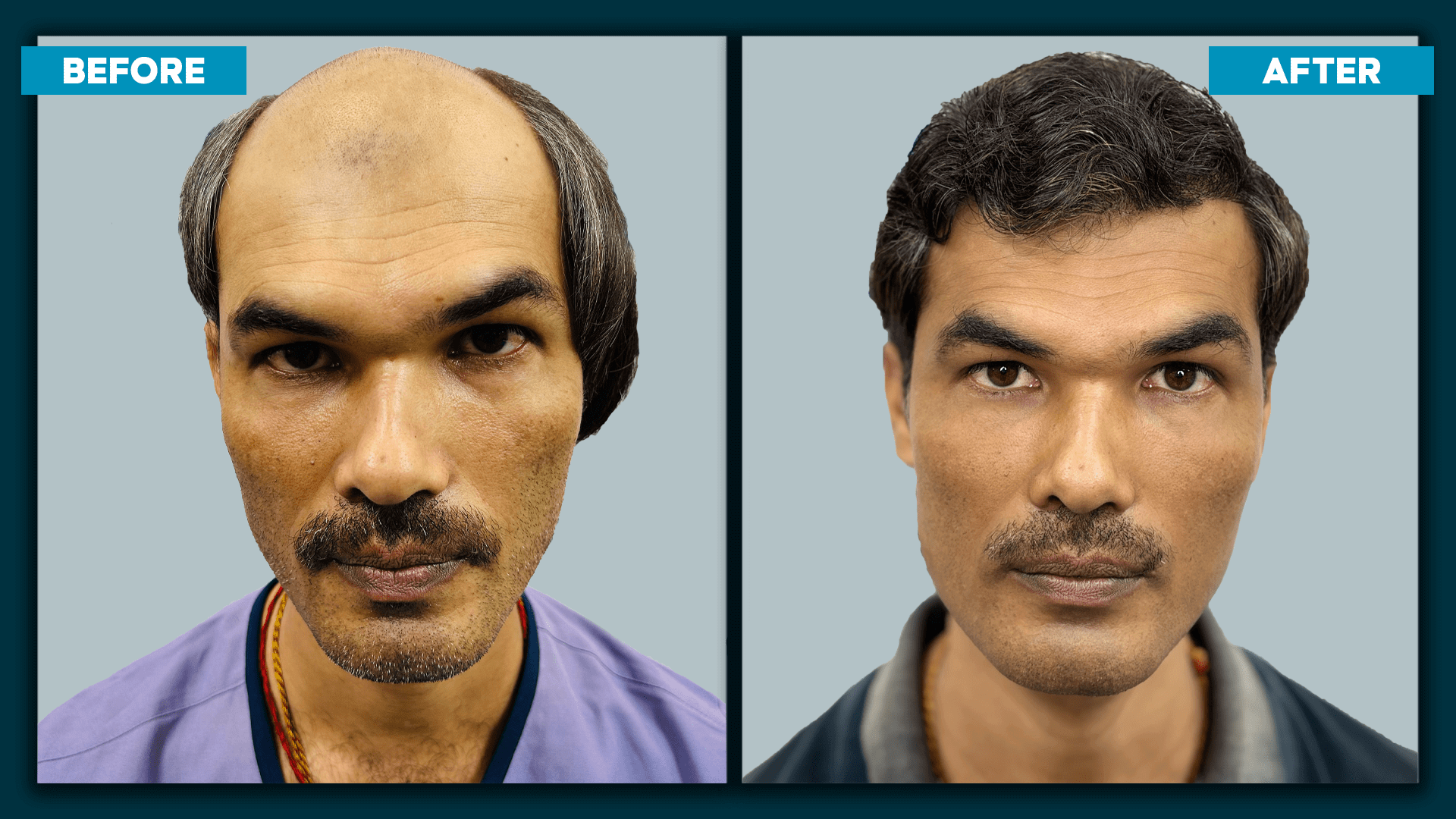
5. Hair Transplant Surgery: A Permanent Hair Loss Treatment for Men and Women
When hair loss becomes advanced and significant follicle loss has occurred, hair transplant surgery may offer the most effective long-term solution.
During the procedure, healthy hair follicles are extracted from the donor area—usually the back or sides of the scalp—and transplanted into thinning or bald areas. Since these donor follicles are genetically resistant to hair loss, they continue growing naturally after transplantation.
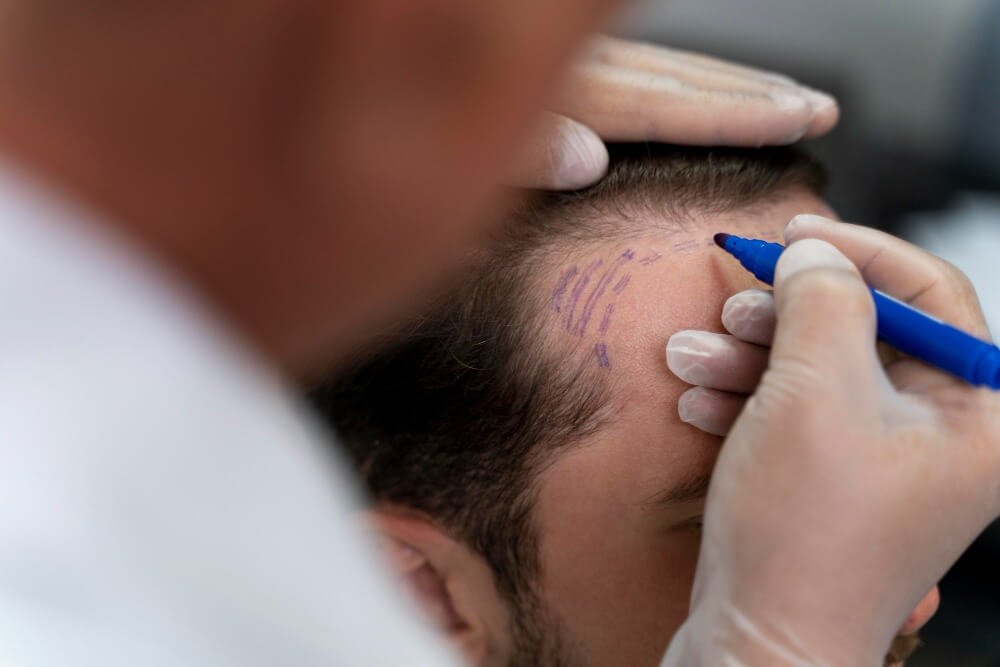
Modern techniques such as FUE (Follicular Unit Extraction) allow surgeons to create natural-looking hairlines with minimal scarring and shorter recovery times.
6. Low-Level Laser Therapy (LLLT)
Low-Level Laser Therapy is a non-invasive treatment that uses controlled light energy to stimulate hair follicles. It is available through laser caps, helmets, and comb devices designed for regular use.
The laser energy helps improve cellular activity within the scalp and enhances blood circulation around the follicles. While results develop gradually, many patients use LLLT alongside treatments such as Minoxidil, PRP, or GFC Therapy to improve overall outcomes.
7. Hair Growth Serums
Hair growth serums have become increasingly popular as supportive treatments for thinning hair. Many modern formulations contain ingredients such as Redensyl, Procapil, Capixyl, and Anagain, which are designed to strengthen hair roots and improve scalp health.
Although hair serums may not reverse severe baldness, they can help reduce breakage, improve hair quality, and support healthier hair growth when used consistently.
8. Vitamins and Nutritional Support
Hair growth depends heavily on proper nutrition. Deficiencies in key nutrients such as iron, zinc, vitamin D, protein, and biotin can weaken hair follicles and contribute to excessive shedding.
Addressing nutritional deficiencies through dietary improvements or targeted supplementation often leads to healthier hair growth and improved hair quality. Many hair specialists recommend blood tests before starting treatment to identify any underlying deficiencies that may be contributing to hair loss.
9. Hormonal Treatments for Women
Female pattern hair loss is often linked to hormonal imbalances. In such cases, medications that help regulate hormone activity may be recommended.
Spironolactone is one of the most commonly prescribed treatments for women experiencing androgen-related hair thinning. By reducing the effects of certain hormones on hair follicles, it can help slow hair loss and improve hair density over time.
10. Corticosteroid Treatment for Alopecia Areata
Not all hair loss is caused by genetics. Alopecia Areata is an autoimmune condition in which the immune system attacks healthy hair follicles, resulting in round or patchy bald spots.
Corticosteroid injections, topical medications, or oral treatments are often used to reduce inflammation and encourage hair regrowth. Early diagnosis and treatment typically improve the chances of successful recovery.
11. Maintaining a Healthy Scalp
Healthy hair starts with a healthy scalp. Conditions such as dandruff, seborrheic dermatitis, scalp inflammation, excessive oil production, and fungal infections can negatively affect hair growth.
Regular scalp care, medicated shampoos, proper hygiene, and scalp massage can improve circulation and create a healthier environment for hair follicles to thrive.
12. Lifestyle Changes That Support Hair Growth
Lifestyle factors play a significant role in hair health. Chronic stress, poor sleep, smoking, crash dieting, and inadequate nutrition can all contribute to increased hair shedding.
Making positive lifestyle changes—such as eating a balanced diet, managing stress levels, exercising regularly, staying hydrated, and getting adequate sleep—can help support healthier hair growth and improve the effectiveness of other treatments.
Which Hair Loss Treatment Is Most Effective?
There is no single hair loss treatment that works for everyone. The best treatment depends on the cause of hair loss, the severity of thinning, the condition of the scalp, and individual treatment goals.
For early-stage hair loss, treatments such as Minoxidil, Finasteride, PRP Therapy, GFC Therapy, and Low-Level Laser Therapy can often produce excellent results. For advanced hair loss, hair transplantation remains the most reliable long-term solution.
The most important step is seeking professional advice as early as possible. Hair follicles become increasingly difficult to recover as hair loss progresses. Early diagnosis and timely treatment provide the best opportunity to preserve existing hair and achieve successful, long-lasting results.