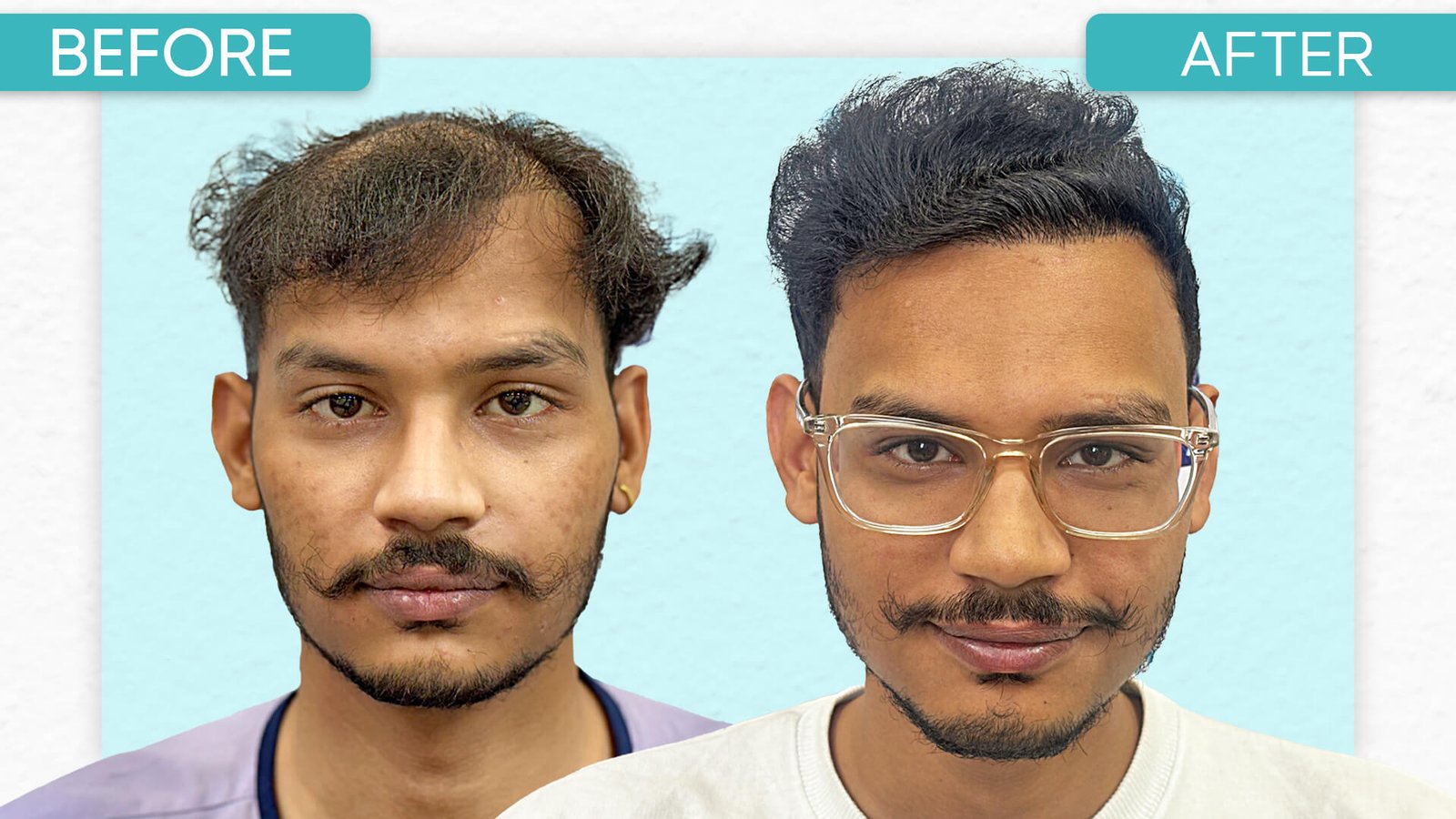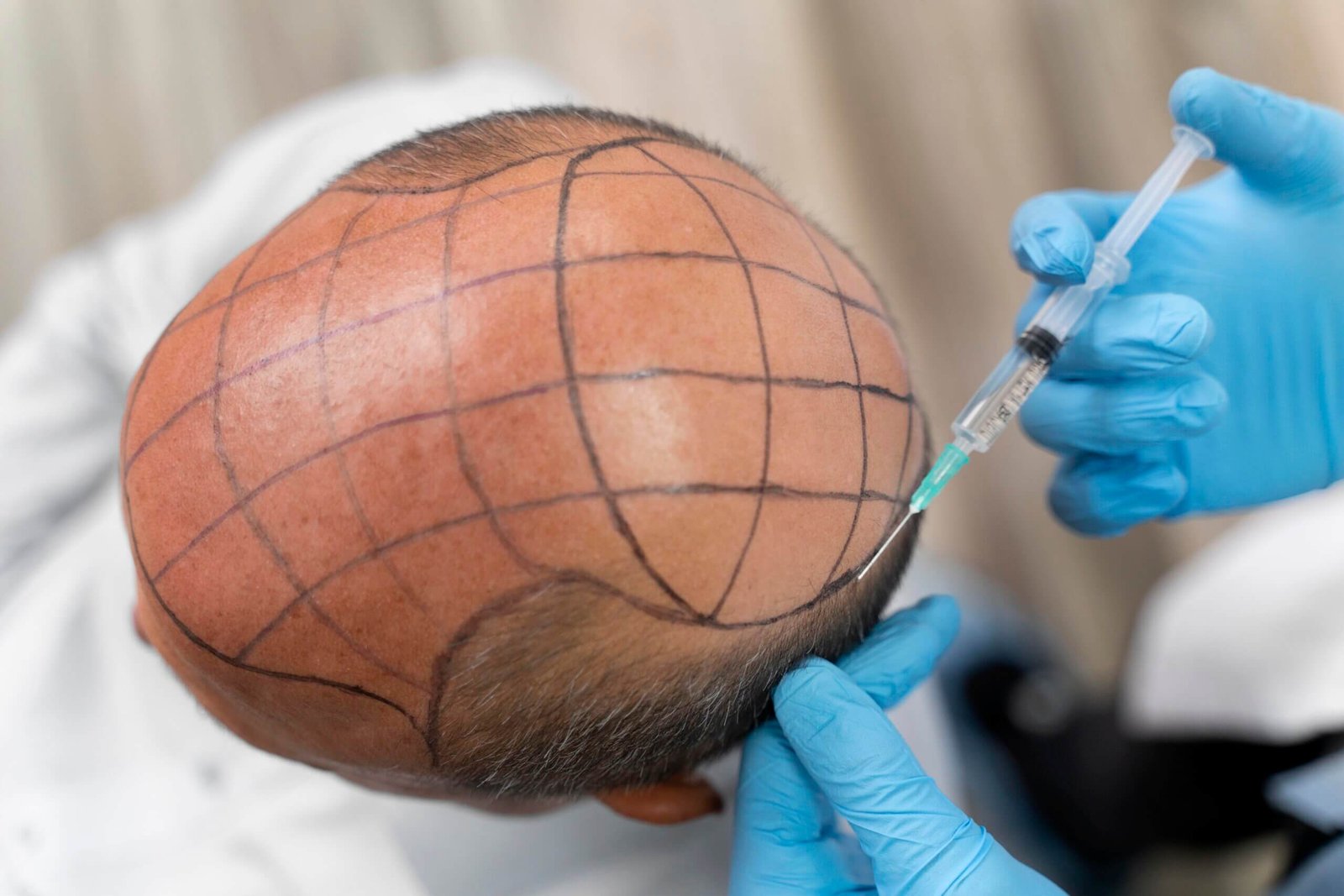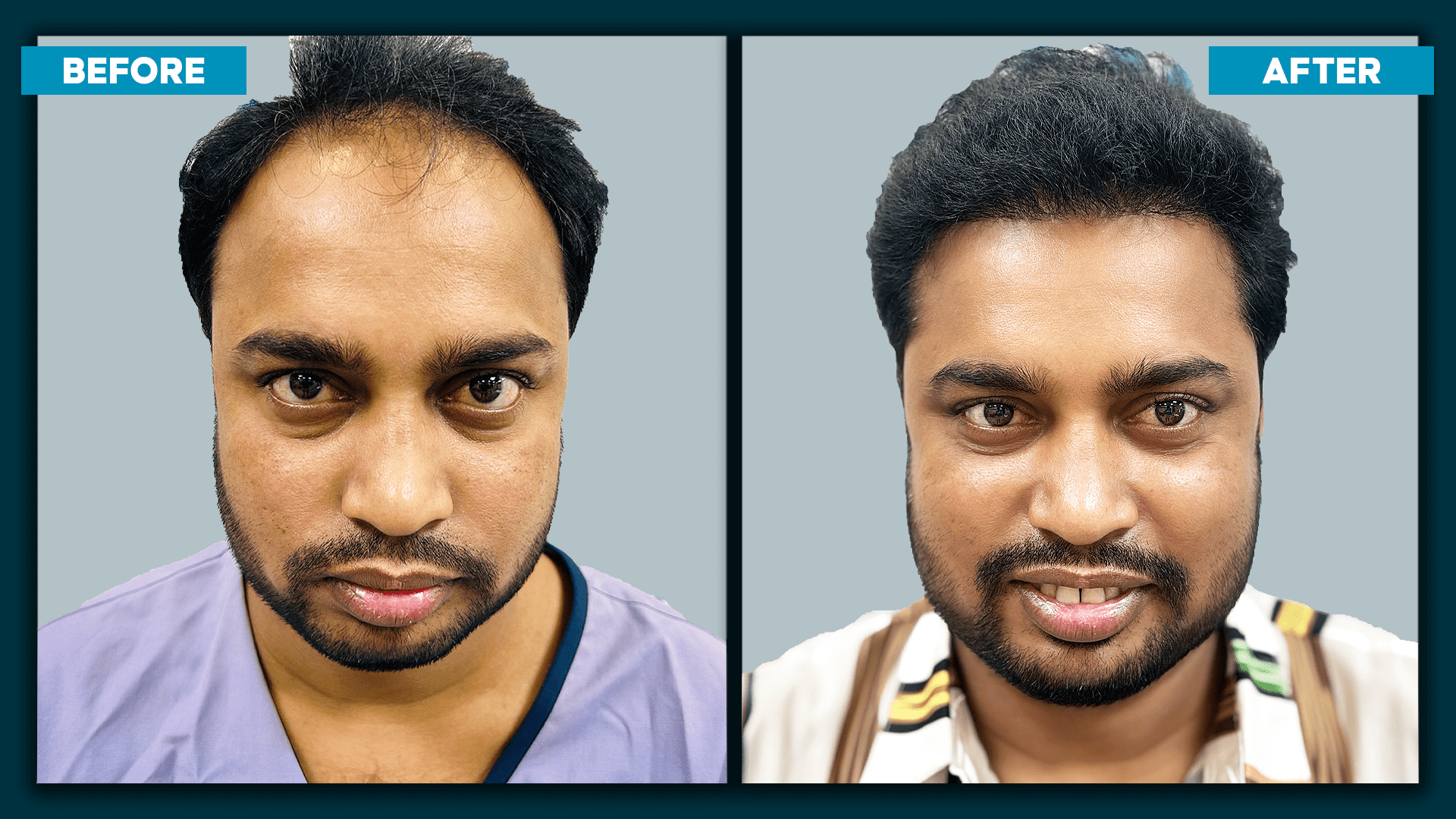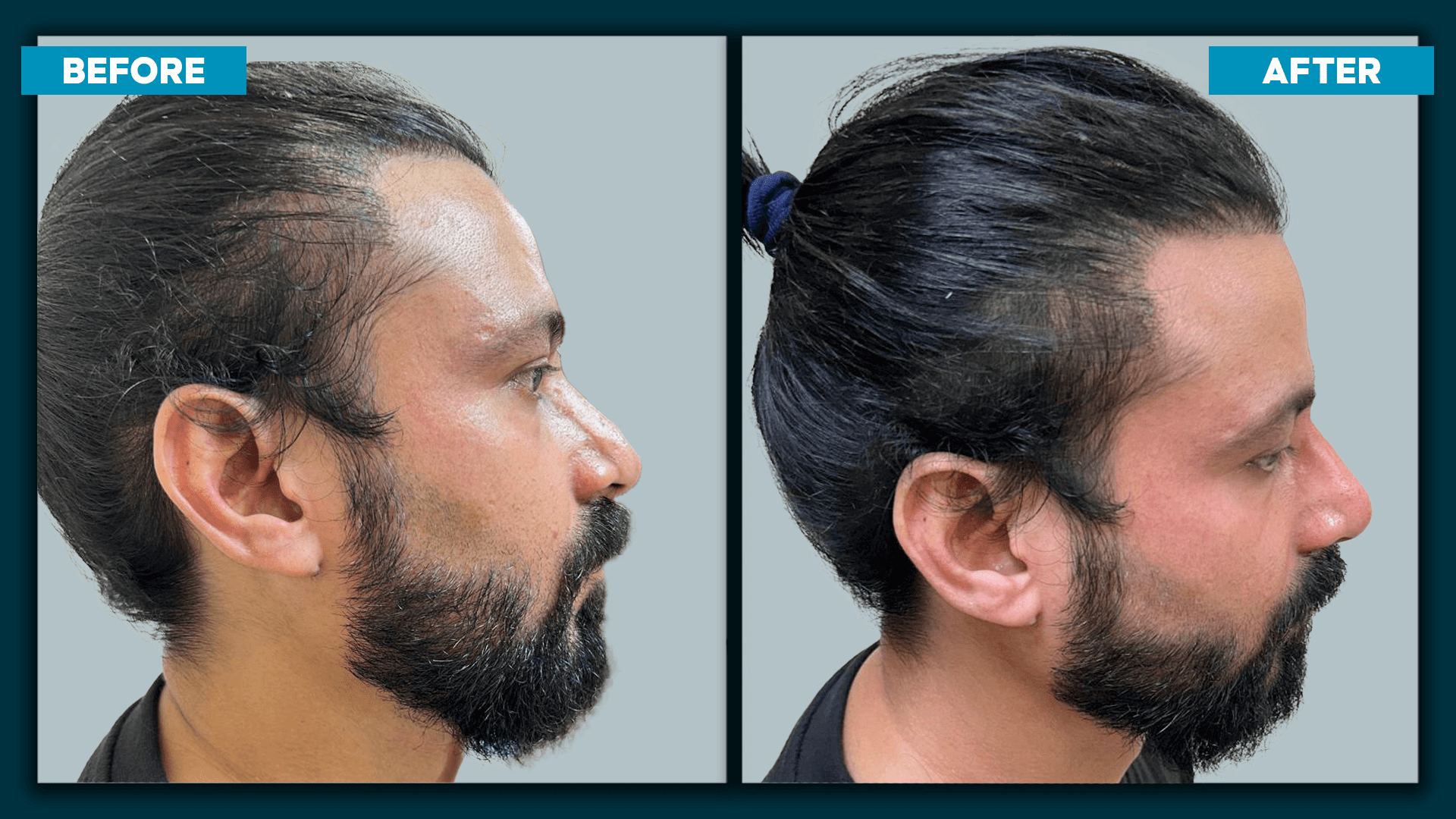
Preparing for a hair transplant involves more than choosing a clinic and scheduling a procedure. Understanding your treatment options, reviewing your medical history, following preoperative instructions, and planning for recovery can help you approach hair restoration with confidence.
A hair transplant is a surgical procedure that moves hair follicles from a donor area, usually the back or sides of the scalp, to areas affected by hair loss. Although the procedure can improve hair coverage for suitable candidates, the outcome depends on several factors, including donor hair quality, the pattern of hair loss, surgical planning, and individual healing.
At Big Derma Hair Clinic in Kolkata, patients considering hair restoration should begin with an appropriate medical consultation. This guide explains the essential steps involved in hair transplant preparation, from the first consultation to the day of surgery.
What Is Hair Transplant Preparation?
Hair transplant preparation refers to the medical assessments, lifestyle considerations, and practical arrangements completed before surgery.
The purpose is to help your doctor determine whether the procedure is appropriate, identify factors that could affect treatment, and explain how to prepare for the operation and recovery.
A responsible hair transplant clinic should assess your scalp, donor hair, medical history, expectations, and possible treatment alternatives before recommending surgery.
Preparation cannot guarantee a specific result, but it helps patients make informed decisions and follow a suitable care plan.
-
Consult a Qualified Hair Transplant Doctor
Your first step should be a consultation with a suitably qualified doctor experienced in hair restoration surgery.
During this appointment, your doctor should assess your hair-loss pattern, donor area, scalp health, and overall suitability for treatment.
Your consultation may cover:
- The possible causes and progression of your hair loss.
- The density and quality of available donor hair.
- Your medical history and current medications.
- Suitable surgical and non-surgical treatment options.
- The proposed hairline design and estimated graft requirements.
- Potential risks, recovery expectations, and treatment costs.
Not every patient experiencing hair loss is an appropriate candidate for immediate surgery. For example, rapidly progressing hair loss or an active scalp condition may require further assessment before a procedure is considered.
Ask your doctor why a particular technique is recommended and what limitations apply to your case. A trustworthy hair transplant clinic should explain the potential benefits, risks, and alternatives without promising guaranteed growth.
-
Complete a Medical Assessment Before Surgery
A medical assessment helps your doctor identify conditions that may affect the procedure, anaesthesia, or healing.
Before your appointment, prepare a list of existing health conditions, previous surgeries, allergies, and any history of unusual scarring or wound-healing problems.
Tell your medical team if you have:
- Diabetes or high blood pressure.
- Cardiovascular conditions.
- Bleeding or clotting disorders.
- Allergies to medicines or local anaesthetics.
- Current scalp irritation, inflammation, or infection.
- A history of keloid scarring or delayed wound healing.
Your doctor will decide whether additional tests or medical clearance are necessary. Not every patient requires the same investigations.
If you develop a fever, significant illness, or a suspected scalp infection before the scheduled procedure, contact the clinic. Your doctor can determine whether treatment or postponement is appropriate.
-
Review All Medicines and Supplements
Medication review is one of the most important parts of hair transplant preparation.
Certain medicines and supplements may affect bleeding, blood pressure, anaesthesia planning, or healing. However, stopping a prescribed medicine without medical supervision can also be dangerous.
Inform your doctor about every prescription medicine, over-the-counter product, vitamin, and supplement you take.
Be sure to mention:
- Aspirin and anticoagulant medicines.
- Anti-inflammatory medicines.
- Minoxidil and finasteride.
- Vitamins, herbal preparations, and other supplements.
- Any medicine prescribed for a chronic health condition.
Your doctor will advise whether any medicine should be continued, adjusted, or temporarily withheld. Recommendations depend on the medicine, your medical history, and the clinic’s protocol.
Never stop a prescribed medicine or start a new supplement solely because of online hair transplant advice. Follow your treating doctor’s instructions.
-
Discuss Smoking, Nicotine, and Alcohol
Smoking and nicotine use can impair circulation and are associated with problems involving wound healing. If you smoke or use nicotine products, discuss this with your doctor well before surgery.
Ask when you should stop before the procedure and how long you should avoid nicotine during recovery. Follow the specific advice provided by your medical team.
Alcohol may interact with certain medicines and can affect hydration and perioperative care. Tell your doctor about your alcohol consumption and follow the clinic’s instructions regarding when to avoid it before surgery and when it is safe to resume.
Avoid assuming that the same preparation schedule applies to every patient.
-
Follow Your Clinic’s Hair and Scalp Care Instructions
Your scalp should be prepared according to the instructions given by your hair transplant clinic.
Your doctor may recommend washing your hair before the appointment using a suitable shampoo. Depending on the procedure and your scalp condition, you may also receive instructions about hair colouring, styling products, and other scalp treatments.
Before surgery:
- Keep your scalp clean as directed.
- Avoid experimenting with new or irritating hair products.
- Do not apply unapproved creams or treatments to your scalp.
- Do not shave or trim the donor area unless instructed.
- Report significant itching, inflammation, sores, or suspected infection.
The surgical team will advise whether any existing scalp condition needs treatment before the procedure.
-
Maintain a Balanced Diet and Follow Fasting Instructions
Good nutrition supports general health and normal tissue repair. In the weeks leading up to surgery, aim for a balanced diet containing protein, vegetables, fruits, whole grains, and other nutrient-rich foods.
If you have a known nutritional deficiency or a restricted diet, discuss it with your doctor. Additional supplements are not automatically beneficial when no deficiency exists.
On the day before surgery, eat normally unless your clinic advises otherwise.
Food and drink instructions depend on the anaesthesia or sedation plan. Some procedures performed under local anaesthesia may not require fasting, while other arrangements may.
Follow the exact fasting instructions from your medical team. If you are unsure whether you can eat, drink water, or take a particular medicine before surgery, contact the clinic rather than guessing.
-
Get Enough Sleep and Plan Your Physical Activity
Try to maintain a consistent sleep schedule before your hair transplant. Adequate rest can help you feel more comfortable and prepared for the procedure.
Discuss exercise restrictions with your doctor, particularly if you regularly lift weights, participate in contact sports, or perform physically demanding work.
Normal daily activities and strenuous exercise are not the same. Your doctor will advise you about activity restrictions before surgery and when you can safely resume exercise afterward.
Do not push yourself through exhaustion immediately before your appointment.
-
Prepare Your Home and Recovery Arrangements
Planning for recovery before surgery can make the initial postoperative period more manageable.
Consider arranging the following:
Transportation: Ask whether you can drive after the procedure. If sedation is used, you may need someone to accompany you home.
Comfortable clothing: Choose a loose shirt or front-opening garment that does not need to be pulled over your scalp.
Sleeping arrangements: Prepare a comfortable sleeping area so you can follow your doctor’s recommendations for head positioning.
Time off work: Discuss your job requirements and recovery expectations with your doctor. A desk-based job may involve different considerations from heavy physical work.
Postoperative supplies: Obtain only the medicines, cleansing products, and other supplies recommended by the clinic.
Follow-up appointments: Confirm when your scalp will be reviewed and how to contact your medical team if you have concerns.
These arrangements help you focus on your recovery instead of managing avoidable logistical problems after surgery.
-
Understand the Procedure, Risks, and Expected Results
Before consenting to a hair transplant, understand the technique being proposed and what it can realistically achieve.
FUE, or Follicular Unit Extraction, involves removing follicular units individually from the donor area. FUT, or Follicular Unit Transplantation, involves removing a strip of scalp from the donor area and dissecting it into follicular units. Other approaches to implantation and recipient-site creation may be incorporated into a surgical plan.
The appropriate approach depends on your clinical needs, donor supply, scalp characteristics, and the surgeon’s assessment. No technique is universally best for every patient.
Ask your doctor:
- How many grafts may be appropriate and why?
- How will the hairline account for possible future hair loss?
- What type of anaesthesia will be used?
- What risks and complications should you understand?
- What degree of density is realistically achievable?
- What follow-up care will be provided?
- What costs are included in the proposed treatment plan?
Potential complications include bleeding, infection, scarring, swelling, temporary numbness, poor growth, and an unsatisfactory cosmetic result. Some patients may need further treatment or continued medical management of their underlying hair loss.
A hair transplant redistributes existing follicles; it does not create new follicles or stop the underlying cause of hair loss.
-
Your Hair Transplant Preparation Timeline
Use this timeline as a general planning guide. Your clinic’s instructions take priority, and not every step applies to every patient.
Several weeks before surgery
- Complete your consultation and medical assessment.
- Discuss the treatment technique and alternatives.
- Review all medicines and supplements with your doctor.
- Discuss smoking, nicotine, and alcohol.
- Ask whether any investigations or medical clearance are needed.
- Confirm the estimated costs and follow-up arrangements.
During the week before surgery
- Follow any specific medication instructions provided by your doctor.
- Confirm your appointment and transportation.
- Ask about exercise restrictions and work arrangements.
- Report any new illness or scalp problems.
- Purchase only the postoperative products recommended by your clinic.
The day before surgery
- Follow the clinic’s scalp-washing instructions.
- Confirm your arrival time and travel arrangements.
- Follow any specific food, drink, and medication instructions.
- Prepare comfortable clothing and your recovery area.
- Contact the clinic if any instruction is unclear.
On the day of surgery
- Follow your medical team’s instructions about eating, drinking, and medication.
- Arrive at the clinic at the scheduled time.
- Bring any requested documents or medical information.
- Wear comfortable clothing appropriate for the procedure.
- Discuss any remaining concerns before providing informed consent.
- Make sure you understand your postoperative care instructions before leaving.
-
What Should You Avoid Before a Hair Transplant?
To prepare responsibly for surgery:
- Do not stop prescribed medicines without medical advice.
- Do not start supplements or treatments without discussing them with your doctor.
- Do not shave your scalp unless instructed.
- Do not conceal medical conditions or previous complications.
- Do not ignore a new fever, scalp infection, or significant illness.
- Do not assume that all hair transplant techniques have identical preparation requirements.
- Do not proceed without understanding the risks, alternatives, and expected limitations.
If you have concerns about whether you are ready for surgery, speak with your medical team before the scheduled date.
-
What Happens After a Hair Transplant?
Preparing for the postoperative period is just as important as preparing for surgery.
In the initial days, the scalp may experience redness, swelling, tenderness, and the formation of small scabs. Follow your clinic’s instructions for washing, sleeping, medication, and protecting the treated area.
Temporary shedding of transplanted hair shafts can occur during the first several weeks. This does not necessarily mean the transplanted follicles have failed. New growth develops gradually over subsequent months.
The timing and extent of visible results vary. Many patients assess their overall cosmetic result around 9–12 months, although some areas, particularly the crown, may take longer to mature.
Avoid scratching, rubbing, or picking at scabs. Follow your doctor’s advice about exercise, sun exposure, swimming, and returning to your regular hair-care routine.
Contact your clinic promptly if you develop worsening pain, spreading redness, fever, pus, persistent bleeding, or other concerning symptoms. Seek urgent medical care for severe or rapidly worsening symptoms.
For more information, read our related guide on the month-by-month recovery timeline after a hair transplant.