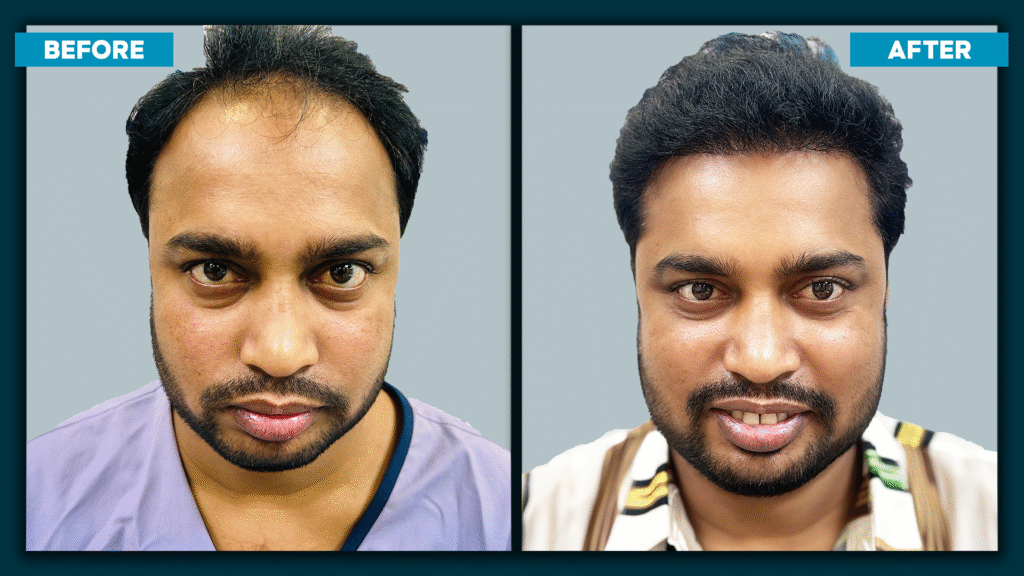
Deciding to undergo a hair restoration procedure is a life-changing step toward regaining your confidence and a youthful appearance. As a hair transplant surgeon, one of the most common questions I hear during consultations is: “What does the recovery actually look like, and when will I see my final results?”
Patients evaluating a hair transplant in kolkata often worry about downtime, visible scabbing, donor area healing, and how soon they can return to their daily routines. To help you plan your journey seamlessly, let’s walk through a comprehensive, medically rigorous breakdown of what to expect after your procedure at a best hair transplant clinic.
Phase 1: The Critical First Week & Donor Area Healing (Days 1–7)
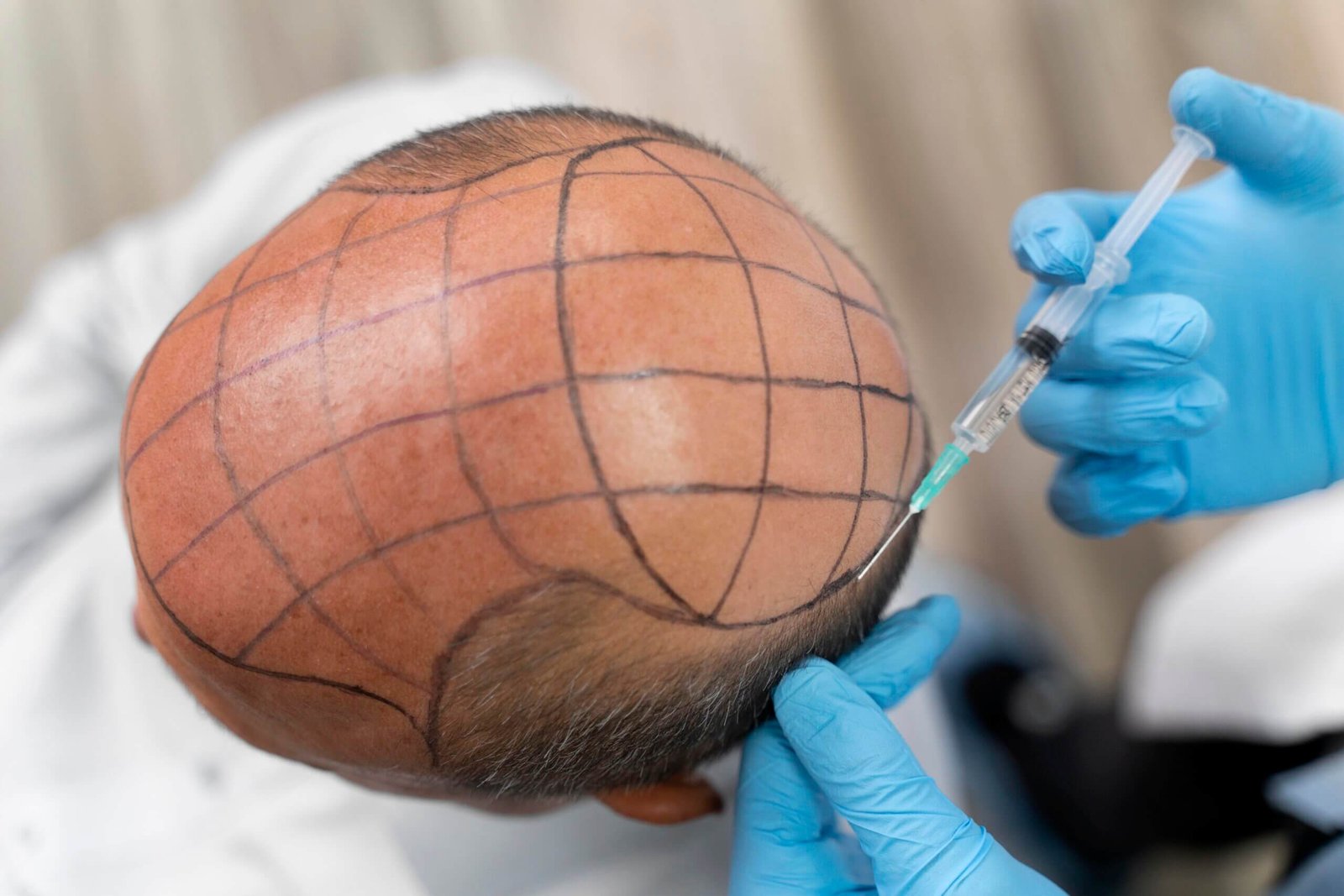
The immediate post-operative period is when your newly planted grafts anchor themselves into their new home and the donor site begins its initial healing.
-
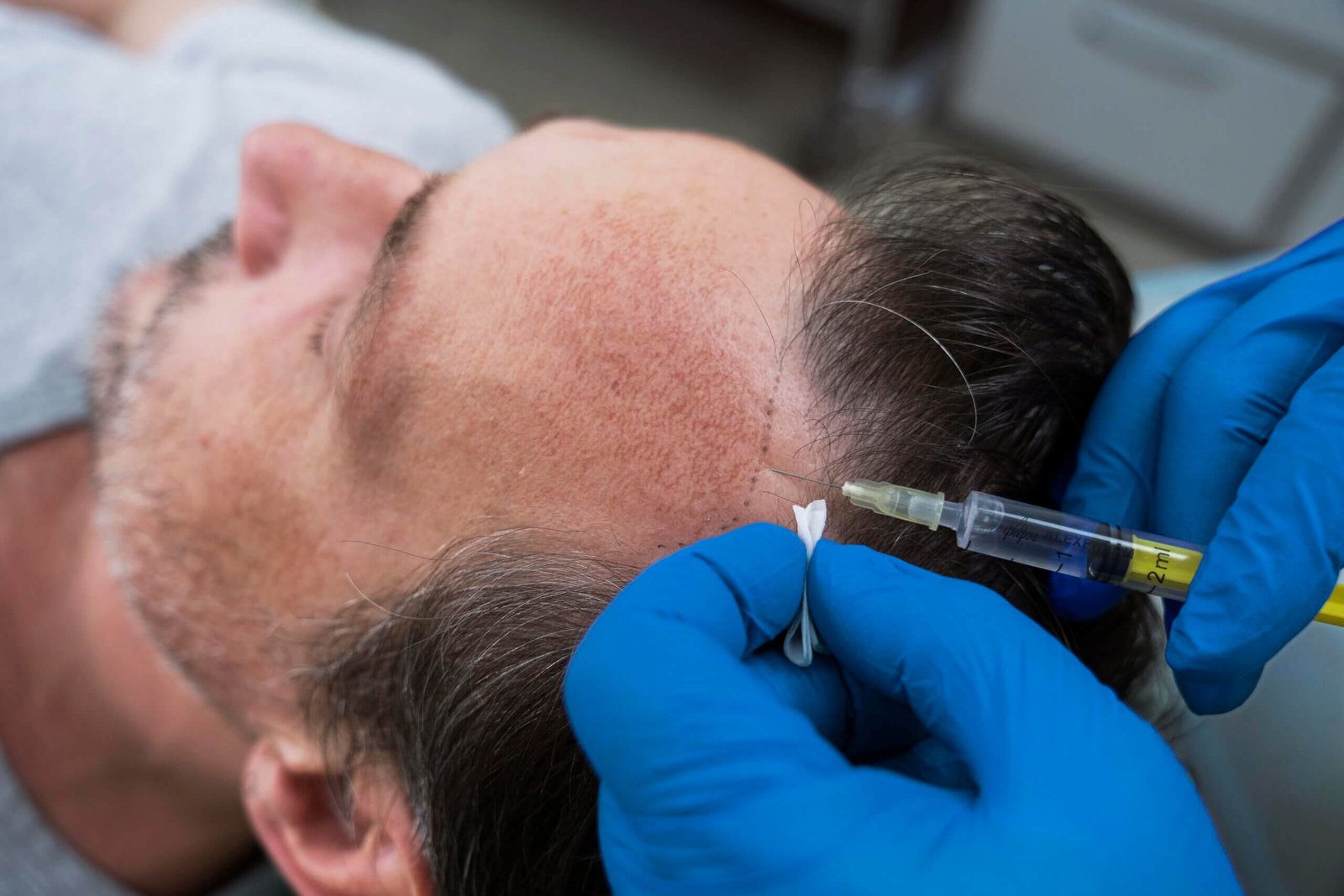
Days 1–3 (The Settling Phase): You may experience mild swelling around the forehead and minor discomfort in the donor area (the back of the head), which is easily managed with prescribed medications. Tiny crusts or scabs will form around each transplanted hair, while the micro-punches in your donor zone begin closing. Sleeping with your head elevated on an extra pillow is crucial during these first few nights to minimize swelling.
-
Days 4–7 (Healing & Gentle Cleansing): By day four or five, the donor area feels significantly better, and the micro-wounds begin to epithelialize. Most patients feel comfortable returning to desk work or remote activities. Around day five or six, post-operative washes begin carefully under clinic guidance to soften and gently remove scabs without dislodging fragile grafts.
Phase 2: Weeks 2 to 4 (The Shedding Phase & Activity Restrictions)
By the second week, the physical healing of the scalp is largely complete—redness fades, and the donor area continues to blend in as surrounding hair grows. However, two important milestones define this window:
-
The “Ugly Duckling” Stage: Between weeks two and four, the newly transplanted hairs will begin to fall out. Do not panic! This is a completely normal part of the hair growth cycle. The hair shafts shed, but the living hair roots (follicles) remain securely embedded beneath the skin, resting before they start fresh growth.
-
Physical Exertion & Gym Guidelines: To protect your grafts and prevent blood pressure spikes that can cause bleeding or dislodgement, strenuous exercise, heavy lifting, bending over, and high-intensity sweating must be strictly avoided for at least 2 to 3 weeks post-surgery.
Phase 3: Months 2 to 4 (The Dormant Period)
During this window, your scalp will look much like it did before your procedure, as the follicles remain in a resting (telogen) phase. Patience is your greatest virtue here. Beneath the surface, blood vessels are nourishing the follicles, preparing them to produce strong, permanent hair.
Phase 4: Months 5 to 6 (The Awakening & Early Growth)
This is where excitement builds! Around the 5-month mark, you will notice fine, soft baby hairs sprouting across the recipient area. Initially, the hair might appear slightly fine or wavy, but it will progressively thicken and darken in texture as it grows longer.
Phase 5: Months 9 to 12+ (The Final Reveal)
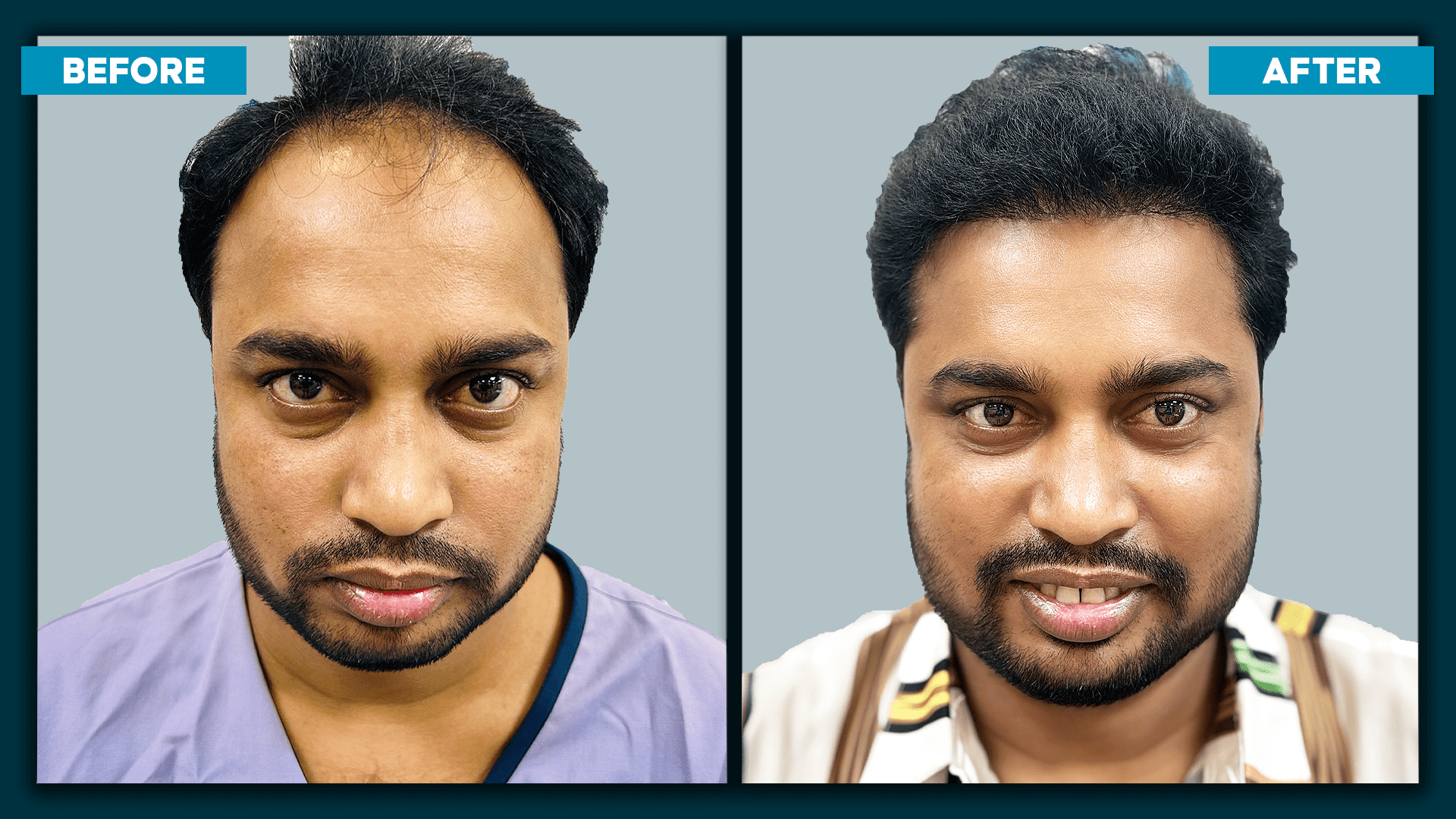
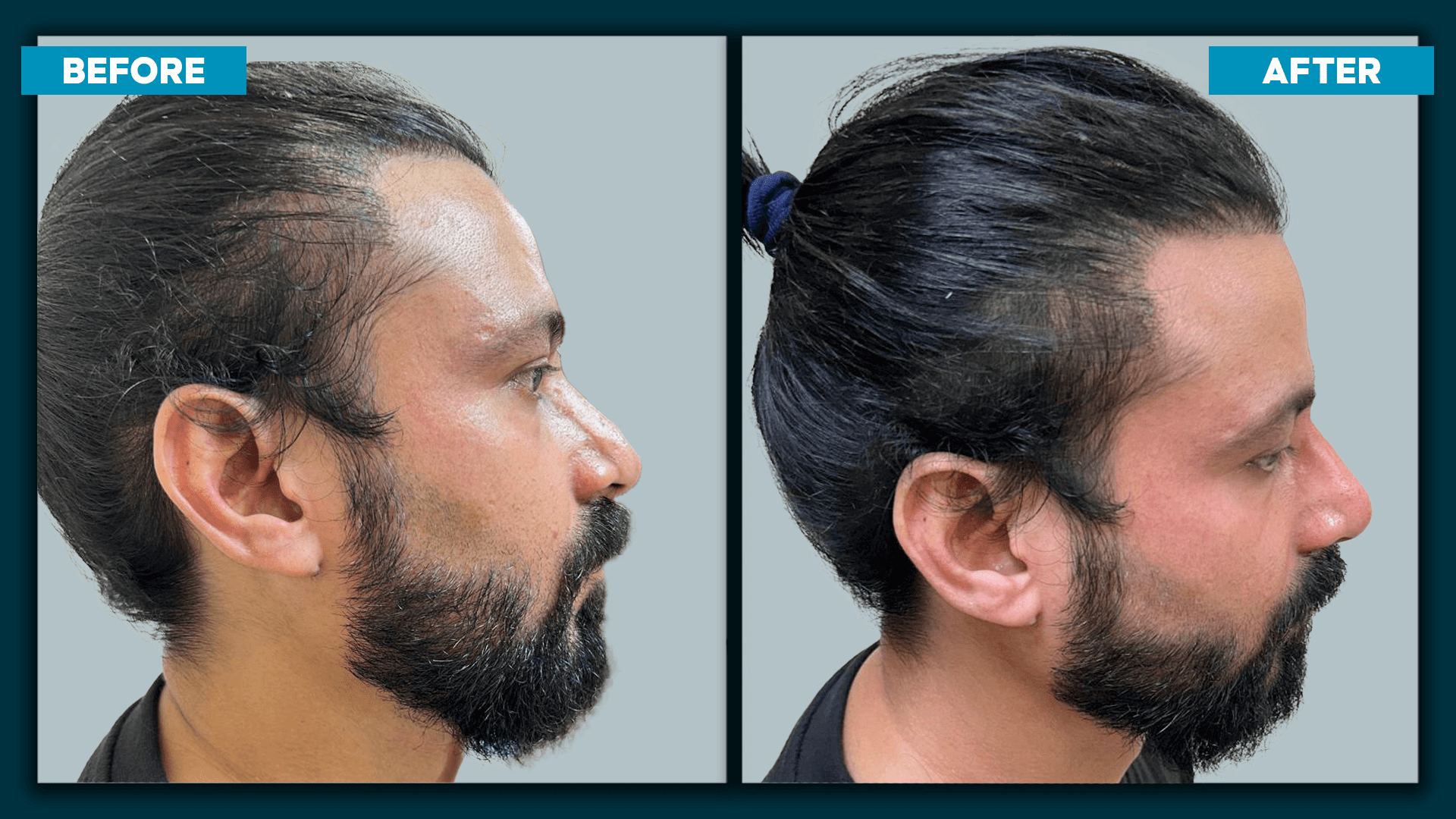
By month nine, a significant portion of your hair growth is visible, showcasing dramatic density and natural framing. However, the maturation process continues up to 12 to 18 months, by which time the hair achieves its final thickness, caliber, and full maturity. The result is completely permanent and natural, allowing you to style, cut, and groom your hair however you choose.
Factors Influencing Your Recovery and Investment
While modern advanced modalities (such as Sapphire FUE, DHI, and specialized implantation techniques) ensure minimal downtime, rapid healing, and scar-free results, your recovery also depends heavily on adhering strictly to your surgeon’s post-care instructions.
If you are planning your procedure, understanding the hair transplant price is equally important. Costs typically vary depending on the extent of your hair loss, the number of grafts required, and the specific technological infrastructure or precision techniques chosen. In Kolkata, standard advanced FUE procedures generally start from ₹40,000 upwards, scaling according to individualized graft requirements and multi-tiered treatment plans.
Take the Next Step
Every patient’s hair restoration journey is unique. To receive an accurate graft count, a tailored medical assessment, and a transparent cost estimate for your hair restoration goals, consult with our specialists today.
Ready to reclaim your hair and confidence? Visit The Big Derma to book your personalized scalp assessment and take the first step toward a permanent, natural transformation.