Most people spend more time researching a new phone than they do researching the person who’s going to operate on their scalp. I understand why — hair loss is stressful, and once someone decides to go ahead with a transplant, there’s a pull to just get it done. But a transplant is permanent surgery on a visible part of your body. The consultation is your one real chance to find out, before you’re on the table, whether the person in front of you actually knows what they’re doing.
Over the years I’ve noticed something: patients who ask sharp, specific questions almost always end up with better outcomes — not because the questions change the surgery, but because clinics that welcome hard questions tend to be the ones doing things properly in the first place. Clinics that get defensive or vague are telling you something too.
Here are the ten questions I’d want answered if I were the patient.
-
Will you personally be performing my procedure, or will technicians handle the extraction and implantation?
This is the single most important question, and the one most patients never think to ask. In many clinics, the consulting doctor does the initial assessment and then hands the actual graft extraction and implantation to technicians for most of the procedure. That’s not automatically bad — experienced technicians can be excellent — but you deserve to know who is actually doing the surgical work, and how much of it the doctor personally supervises or performs.
-
What technique do you recommend for me, and why this one specifically?
A good answer references your donor density, hair caliber, degree of baldness, and goals — not just “FUE is what we do.” If every patient gets the same technique recommendation regardless of their scalp, that’s a sign the recommendation is about the clinic’s workflow, not your case.
-
How many grafts do I actually need, and how did you calculate that number?
Graft count should come from an examination of your donor area and balding pattern, not a flat package price. Ask to see how they’re estimating density and coverage — a doctor who can explain their reasoning is usually one who’s actually done the analysis.
-
What is your approach to donor area planning, and how do you avoid over-harvesting?
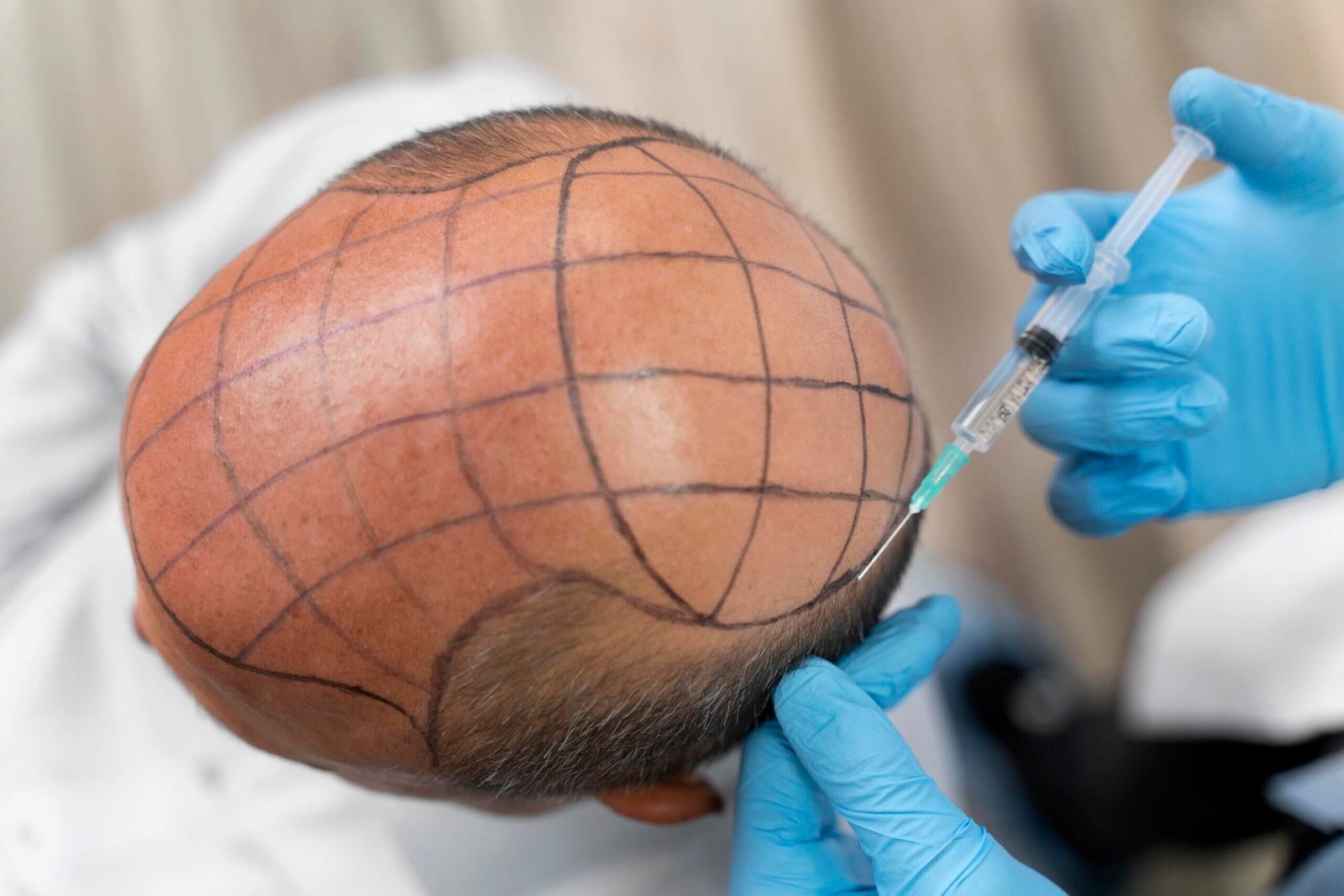
Over-harvesting — taking too many grafts too densely from one area — is one of the most common causes of a visibly thin or patchy donor zone later on. Ask specifically how they space extractions and how they decide when to stop, especially if you may need a second session in the future.
-
What’s a realistic timeline for results, and when will we know if it’s working?
Be wary of anyone promising fast, dramatic results. A honest timeline looks roughly like: shedding of transplanted hair by weeks 3–4 (this is normal, not failure), new growth starting around months 3–4, and final density visible closer to months 12–14. If a clinic implies you’ll see full results in a few months, that’s a red flag.
-
What happens if graft survival is lower than expected?
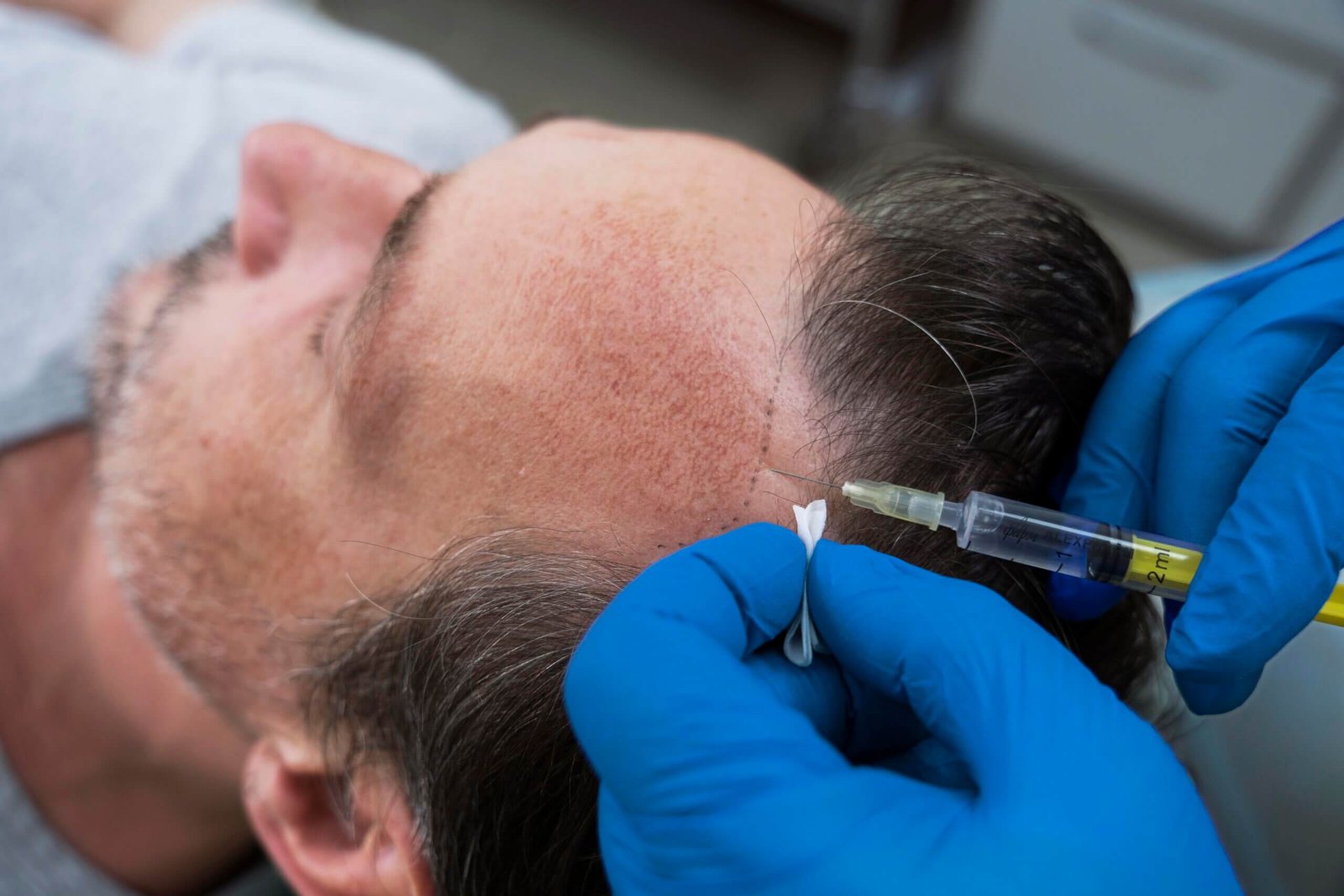
Even in skilled hands, graft survival isn’t 100%, and a small percentage of grafts not taking is normal. What matters is whether the clinic has a plan — follow-up assessment, possible touch-up sessions, PRP support — versus treating your one procedure as the end of the relationship.
-
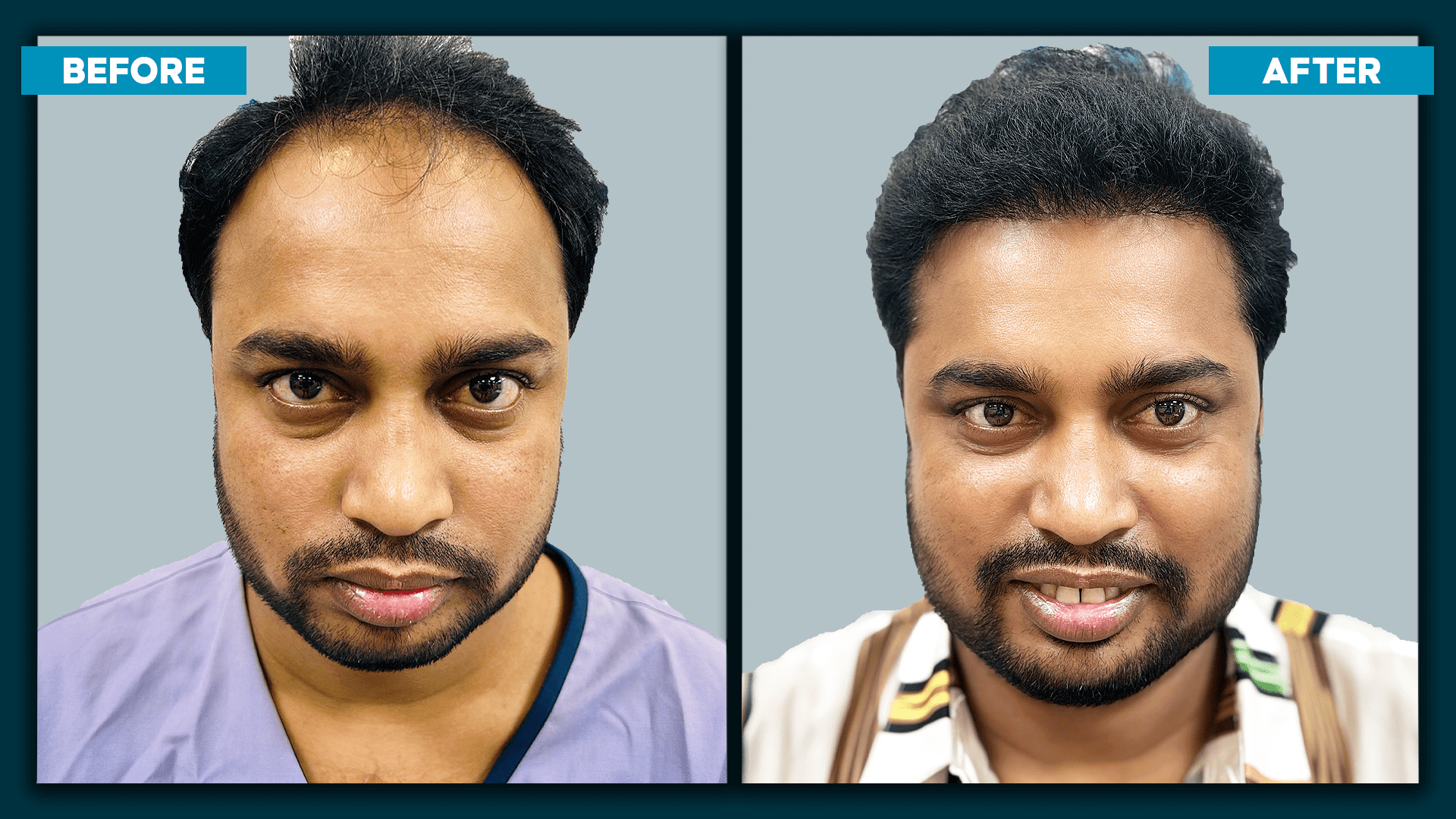
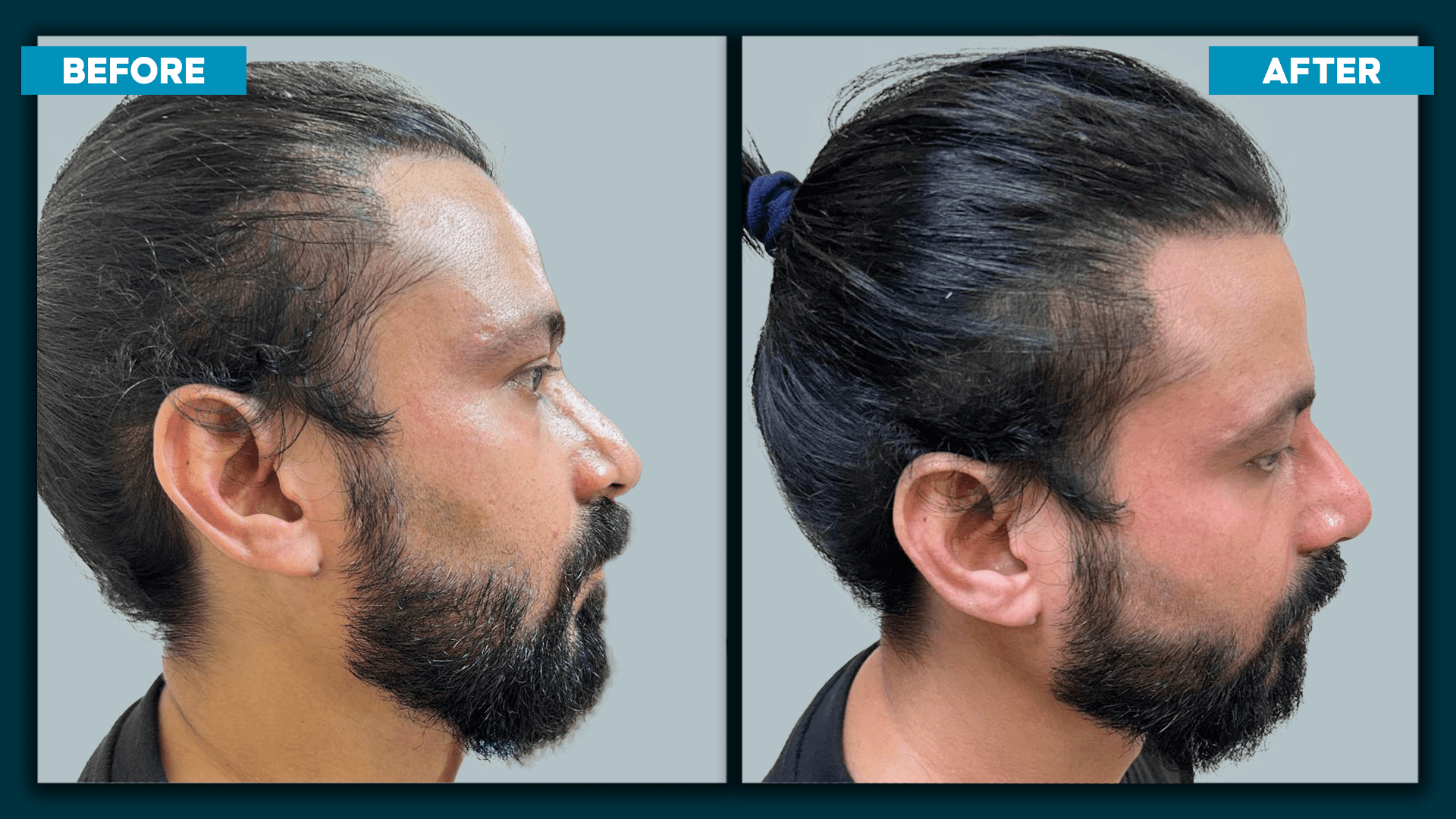
Can I see real case examples with a similar hair type and balding pattern to mine?
Generic before-and-after galleries don’t tell you much. Ask for examples close to your own donor density, hair texture, and Norwood stage — those are far more predictive of your likely outcome than a gallery of the clinic’s best-ever results.
-
What does the total cost actually include?
Ask directly whether the quote includes anesthesia, OT charges, post-op medication, PRP if needed, and follow-up visits — or whether those are billed separately later. A transparent clinic will break this down without hesitation.
-
What’s your protocol if I have a medical condition, or I’m on medication that could affect healing?
Conditions like uncontrolled diabetes, certain blood thinners, or autoimmune issues can affect both surgery and healing. A thorough doctor will ask about your full medical history before confirming you’re a candidate — if nobody asks, that’s a gap in your assessment, not a good sign.
-
What does aftercare and follow-up actually look like over the next year?
Results are judged over 12 months, not 12 days. Ask how many follow-up visits are included, whether they’ll monitor growth progress with photos or scalp analysis, and what support is available if something looks off along the way.
Why This List Matters More Than the Price Tag
I’ve said this in other posts and I’ll say it again here: patients rarely regret asking too many questions before surgery. They regret not asking enough. A transplant that goes wrong isn’t just a cosmetic setback — it’s lost time, a damaged donor area that limits future options, and often more money spent on correction than the original procedure would have cost if done properly.
A clinic that’s confident in its process will welcome all ten of these questions without flinching. That’s usually the clinic worth trusting with a permanent decision.
At Big Derma
We walk every patient through donor analysis, technique selection, graft planning, and a full 12-month follow-up plan before any procedure is scheduled — and we’re glad to answer every question on this list, and any others you bring with you.