If you’ve started researching hair transplant cost, you’ve probably noticed the numbers are all over the place. One clinic quotes you a price that sounds almost too good to be true, while another charges three or four times as much for what looks like the same procedure. So what’s actually going on?
As a hair transplant specialist, I get asked this question in almost every consultation: “Why is one clinic so much cheaper than another?” The honest answer is that price differences rarely come out of nowhere. They usually reflect real differences in who performs your surgery, what technique is used, and what happens after you leave the clinic. Let’s break it down.
Why Hair Transplant Prices Vary So Much
Hair transplant pricing isn’t standardized the way, say, a haircut is. Clinics price based on a mix of factors, and low-cost and premium providers typically differ across all of them:
- Who performs the extraction and implantation – a trained surgeon, a technician, or a rotating team
- The technique used – FUE, FUT, or more advanced robotic/manual hybrid methods
- Graft quality control – how carefully grafts are handled and kept viable outside the scalp
- Clinic infrastructure – sterilization standards, equipment, and staff-to-patient ratios
- Aftercare – whether follow-up visits, medication, and complication support are included
None of these show up as a single line item on a price list, but together they explain most of the gap between a “budget” transplant and a premium one.
Low-Cost Hair Transplants: What You’re Really Paying For
Budget clinics can offer lower prices for a few legitimate reasons — and a few risky ones.
Legitimate reasons:
- Lower cost of living or overheads in certain regions
- High patient volume that allows clinics to reduce per-patient pricing
- Simpler, standardized packages with fewer customization options
Risk factors to watch for:
- Technicians performing the bulk of the procedure with minimal surgeon oversight
- Larger teams working quickly to process more patients per day, which can affect graft survival
- Limited or no follow-up care built into the price
- Less transparency about graft counts, so you may not get what you paid for
A lower price isn’t automatically a red flag — some regions genuinely offer good value. But it’s worth asking direct questions: Who exactly performs the procedure? How many grafts are guaranteed? What happens if something goes wrong?
Premium Hair Transplants: What the Extra Cost Covers
Premium pricing generally reflects investment in outcomes, not just marketing.
- Surgeon-led procedures, where an experienced specialist handles extraction and implantation rather than delegating most of the work
- Smaller patient loads per day, allowing more careful graft handling and higher survival rates
- Advanced techniques such as precision FUE or hybrid methods suited to your specific hair type and scalp condition
- Comprehensive aftercare, including follow-up consultations, medication protocols, and support if touch-ups are needed
- Better graft survival rates, which directly affects your final density and how natural the result looks a year later
Essentially, you’re paying for expertise, attention to detail, and a lower margin of error — all of which matter more in hair transplants than in almost any other cosmetic procedure, because grafts can’t be “redone” once they’ve failed.
Is a More Expensive Hair Transplant Always Better?
Not necessarily — but a well-run, transparent clinic at a fair price will almost always outperform the cheapest option available. The goal isn’t to chase the highest price tag; it’s to avoid the specific risks that come with cutting corners: inexperienced hands, rushed procedures, and no safety net if complications arise.
A good rule of thumb: if a price seems dramatically lower than the market average for your target graft count, ask why. Sometimes there’s a reasonable explanation. Sometimes it means something important has been left out.
How to Evaluate Cost Beyond the Price Tag
When comparing quotes, look past the headline number and ask:
- Is the surgeon board-certified or specifically trained in hair restoration?
- Does the price include a guaranteed graft count, or is it an estimate?
- Who performs the actual procedure — the surgeon or a technician team?
- What aftercare and follow-up is included?
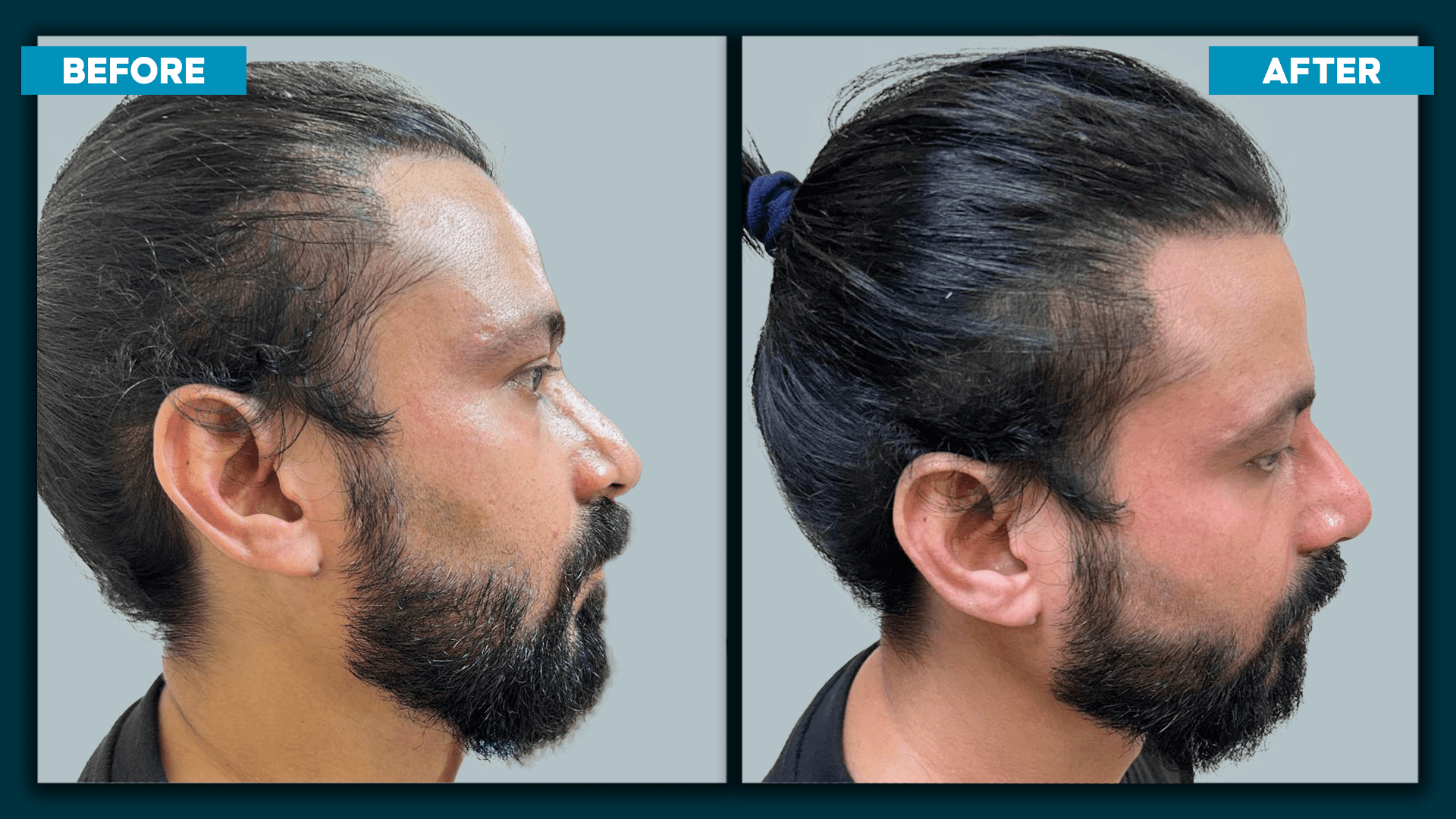
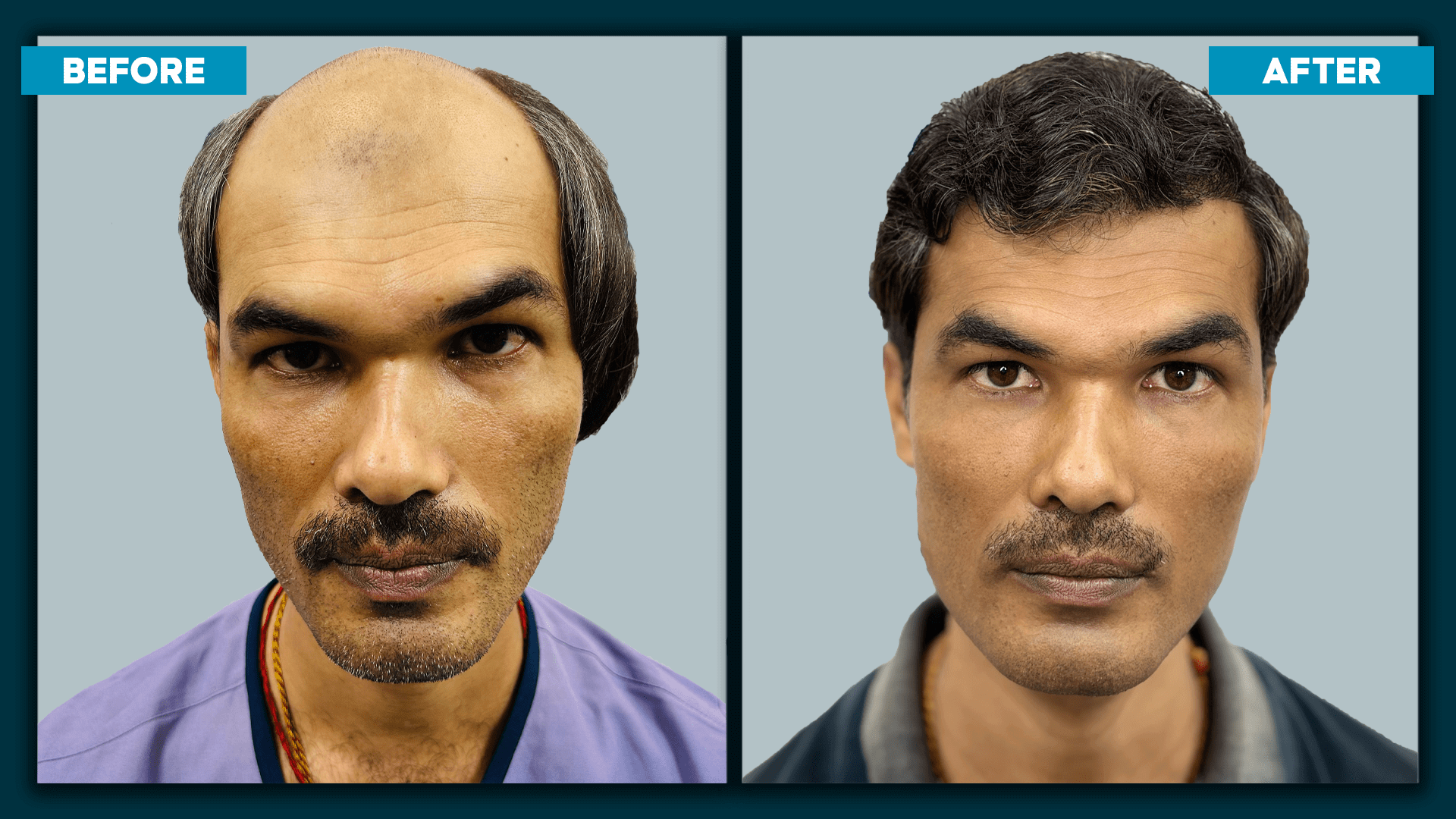
- Can you see verified before-and-after results from real patients?
These questions matter more than the number on the quote, because they determine whether that number represents good value or a hidden risk.
Final Thoughts
Hair transplant cost differences between low-cost and premium clinics usually come down to who’s doing the work, how carefully it’s done, and what support you get afterward. Cheaper isn’t automatically worse, and expensive isn’t automatically better — but understanding what’s actually included in the price will help you make a decision you won’t regret in a year, when the results are permanent.
If you’d like a personalized breakdown of what a procedure would cost based on your hair loss pattern and goals, you can explore detailed pricing and consultation options here: Hair Transplant Cost Guide.