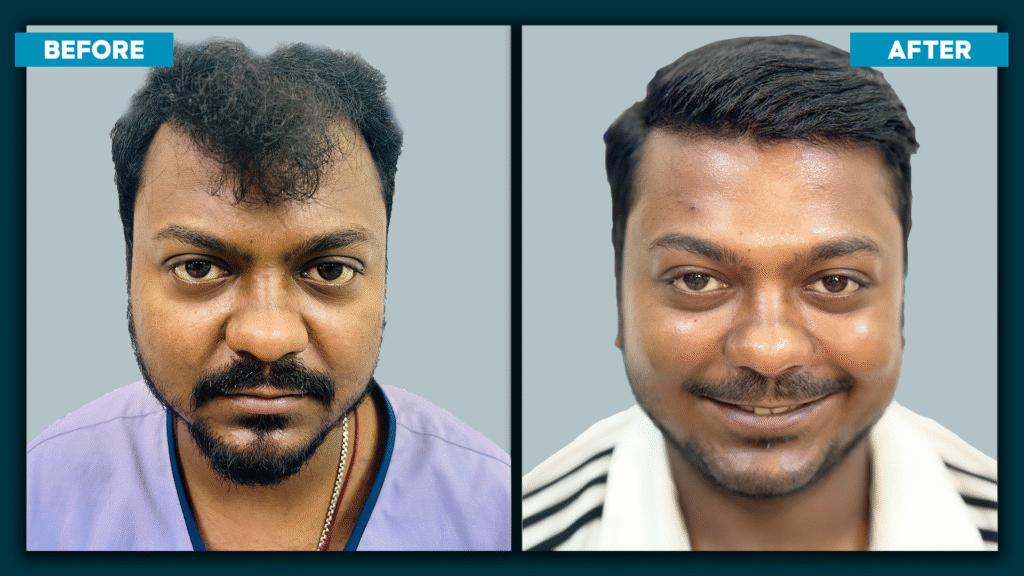
By the Hair Restoration Team at The Big Derma
“Doctor, my barber pointed it out before I even noticed it myself.” We hear a version of this line almost every week at our clinic. Crown hair loss is sneaky — it develops at the one spot on your head you rarely see in a mirror, and by the time most patients book a consultation, they have already spent months Googling whether PRP will fix it or whether they need a full transplant.
Crown hair loss is one of the most common concerns we treat, and also one of the most confusing when it comes to choosing a treatment. Patients regularly walk in asking the same question: “Should I go for a hair transplant, or will PRP be enough?”
With over a decade of experience treating crown and vertex hair loss, our team at The Big Derma has helped hundreds of patients make this exact decision. In this blog, we will break down both treatments in plain language, compare their pros and cons, and help you understand which option — Crown Hair Transplant or PRP — is right for you.
Understanding Crown Hair Loss
The crown (or vertex) is the area at the back-top of the scalp where hair naturally grows in a whorl pattern. It is often one of the first areas to show signs of male pattern baldness, and because it is difficult to see in the mirror, many people notice it late — usually when a friend, barber, or a photograph points it out.
Crown thinning happens because hair follicles in this region are genetically sensitive to a hormone called DHT (dihydrotestosterone), which gradually shrinks the follicles until they stop producing visible hair. In many patients, crown thinning becomes noticeable in the late 20s to mid-30s, though genetics can push onset earlier or later.
Doctors typically use the Norwood-Hamilton scale to track how crown and hairline loss progresses. Crown involvement usually becomes visible from Norwood Stage 3 Vertex onward, and by Stage 5–6, the crown and hairline patches often begin to merge into one connected area of baldness. Knowing your Norwood stage matters because it directly affects whether PRP alone can help or whether surgical restoration is the more realistic path. The good news is that this process, while progressive, is very treatable when caught and managed correctly.
What Is PRP Therapy?
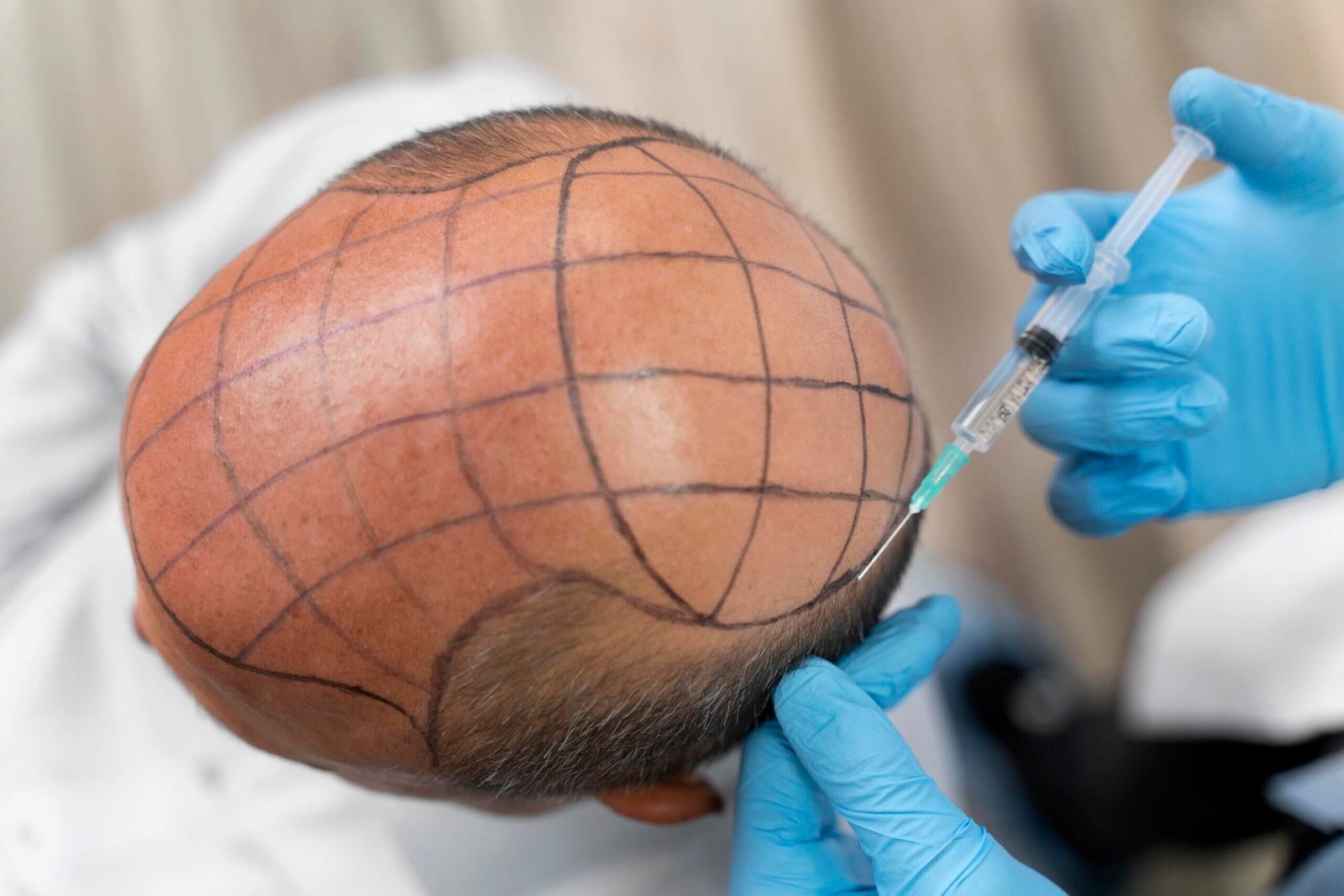
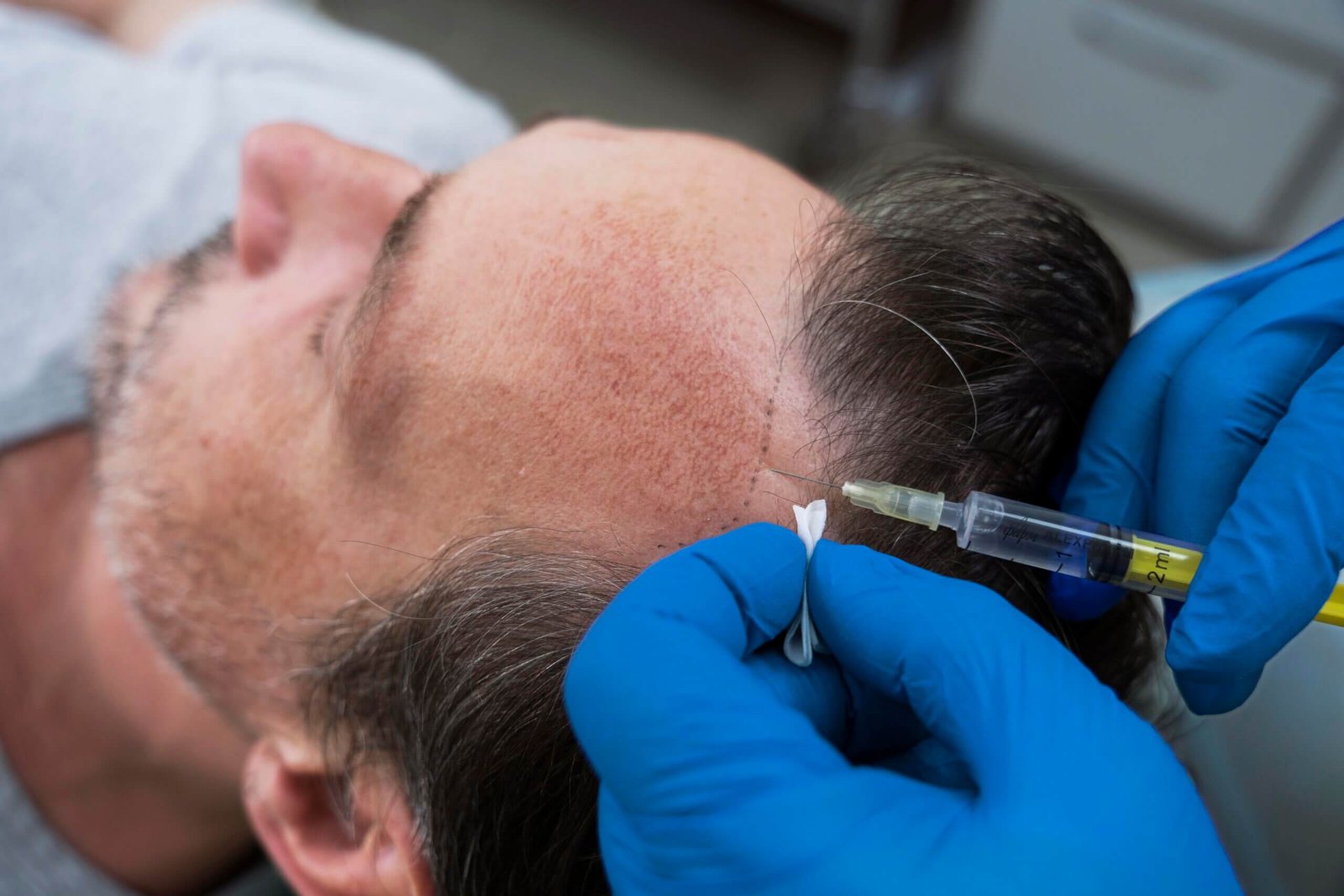
PRP, or Platelet-Rich Plasma therapy, is a non-surgical treatment where a small sample of your own blood is drawn, spun in a centrifuge to concentrate the platelets, and then injected back into the scalp. Platelets are rich in growth factors that stimulate blood flow and encourage dormant or weakening follicles to become more active.
Best suited for:
- Early-stage thinning where follicles are weak but still alive
- Patients looking to slow down further hair loss
- Those who want to strengthen results after a transplant
- People not ready for a surgical procedure
PRP is quick, requires no downtime, and can be done in under an hour. However, it is not a permanent fix — it needs ongoing maintenance. Protocols vary by patient and clinic, but a common approach is a short initial series of sessions spaced about a month apart, followed by top-up sessions every few months once results stabilize. Your exact schedule should be set by your doctor based on how your scalp responds. Importantly, PRP cannot regrow hair in areas where follicles have already died out completely — it can only support follicles that are weak but still alive.
What Is a Crown Hair Transplant?
A crown hair transplant is a surgical procedure where healthy hair follicles are extracted from the donor area (usually the back or sides of the scalp, which is genetically resistant to DHT) and implanted into the balding crown region. Using modern techniques like FUE (Follicular Unit Extraction) or DHI (Direct Hair Implantation), our surgeons carefully place each graft to match your natural hair direction and whorl pattern — something that requires real artistry, especially at the crown.
Best suited for:
- Patients with advanced or stable crown baldness (Norwood stage 3 vertex and above)
- Those seeking a permanent, one-time solution
- People whose donor area has sufficient healthy grafts
- Anyone who wants visible, lasting density rather than temporary maintenance
Unlike PRP, a crown hair transplant delivers permanent results because the transplanted follicles are resistant to DHT for life. The trade-off is that it is a surgical procedure requiring a recovery period, and results take 8 to 12 months to fully mature.
Crown Hair Transplant vs PRP: Head-to-Head Comparison
| Factor | PRP Therapy | Crown Hair Transplant |
| Type of treatment | Non-surgical | Surgical (FUE/DHI) |
| Downtime | None to minimal | 5–7 days |
| Results | Temporary, needs maintenance | Permanent |
| Best for | Early thinning | Advanced baldness |
| Sessions required | Multiple, ongoing | One-time (in most cases) |
| Visible results | 3–4 months | 8–12 months |
| Cost (indicative) | Roughly ₹5,000–₹15,000 per session | Roughly ₹40–₹120 per graft, depending on grafts needed |
Can PRP and Crown Hair Transplant Be Combined?
Yes, and in many cases, this combination gives the best of both worlds. At The Big Derma, we often recommend PRP sessions after a crown hair transplant to boost graft survival, speed up healing, and improve the overall density of the transplanted area. PRP can also be used on surrounding thinning hair that was not part of the transplant zone, giving you a fuller, more natural-looking result overall.
Hair Transplant Cost: What Determines the Price?
One of the most searched questions we get is about hair transplant cost, and rightly so — it is a significant decision. The cost of a crown hair transplant depends on several factors:
- Number of grafts required — Crown restoration often needs a higher graft density because of the natural whorl pattern.
- Technique used — FUE and DHI have different pricing due to the tools, time, and skill involved.
- Severity of hair loss — More advanced baldness naturally requires more grafts and planning.
- Surgeon’s experience — Crown transplants are technically demanding, and experienced surgeons often deliver more natural, long-lasting results.
- Clinic technology and aftercare — Post-op support, growth support therapies, and follow-up visits also factor into the overall cost.
As a rough starting point, hair transplant cost in India commonly falls between ₹40 and ₹120 per graft, and a crown restoration case can require anywhere from 1,500 to 4,000+ grafts depending on the size of the balding area. This means total cost can range from roughly ₹60,000 on the lower end to several lakhs for extensive vertex coverage. PRP, by comparison, is priced per session and is significantly lower per visit, though the cost adds up over repeated sessions.
These figures are indicative only and vary by clinic, city, and technique. Compared to PRP, which is more affordable per session but ongoing, a crown hair transplant is a higher upfront investment that pays off as a one-time, permanent solution. We always recommend getting a personalized consultation and a written quote, since your graft requirement and final cost will depend on your individual scalp condition.
Crown Hair Transplant in Kolkata: Why It Matters Where You Go
If you are researching crown hair transplant in Kolkata, clinic selection is just as important as the procedure itself. The crown is one of the hardest areas to treat successfully because of its natural spiral growth pattern — a poorly executed transplant here can look unnatural even if the front hairline looks great. This is why choosing a clinic with genuine expertise in crown restoration, not just hairline work, is essential.
Kolkata’s humid, subtropical climate is also worth factoring into your decision. Higher humidity can affect scalp sweating and scab formation in the first week after surgery, which is why post-op care instructions here often differ slightly from clinics in drier cities — things like scalp hygiene routines, sun protection during the monsoon and summer months, and infection-prevention care need to be tailored to local conditions. A clinic based in Kolkata, treating Kolkata patients year-round, will typically have more practical experience managing healing in this climate than a one-size-fits-all protocol.
At The Big Derma, our surgeons have over 10 years of dedicated experience in advanced hair restoration, including complex crown and vertex cases, and our aftercare protocols are built specifically around local climate conditions. We use a combination of precise graft placement, natural angulation mapping, and PRP-supported recovery protocols to ensure results that blend seamlessly with your existing hair.
What to Look for When Comparing the Top 10 Hair Transplant Clinics in Kolkata
With so many clinics advertising hair restoration services, patients often search for the “top 10 hair transplant clinic in Kolkata” to compare their options. Rather than ranking clinics by name — which changes over time and varies by individual results — here is the actual scorecard we recommend using to evaluate any clinic on that list, including ours:
- Surgeon credentials and years of hands-on experience, especially with crown cases specifically, not just hairline work
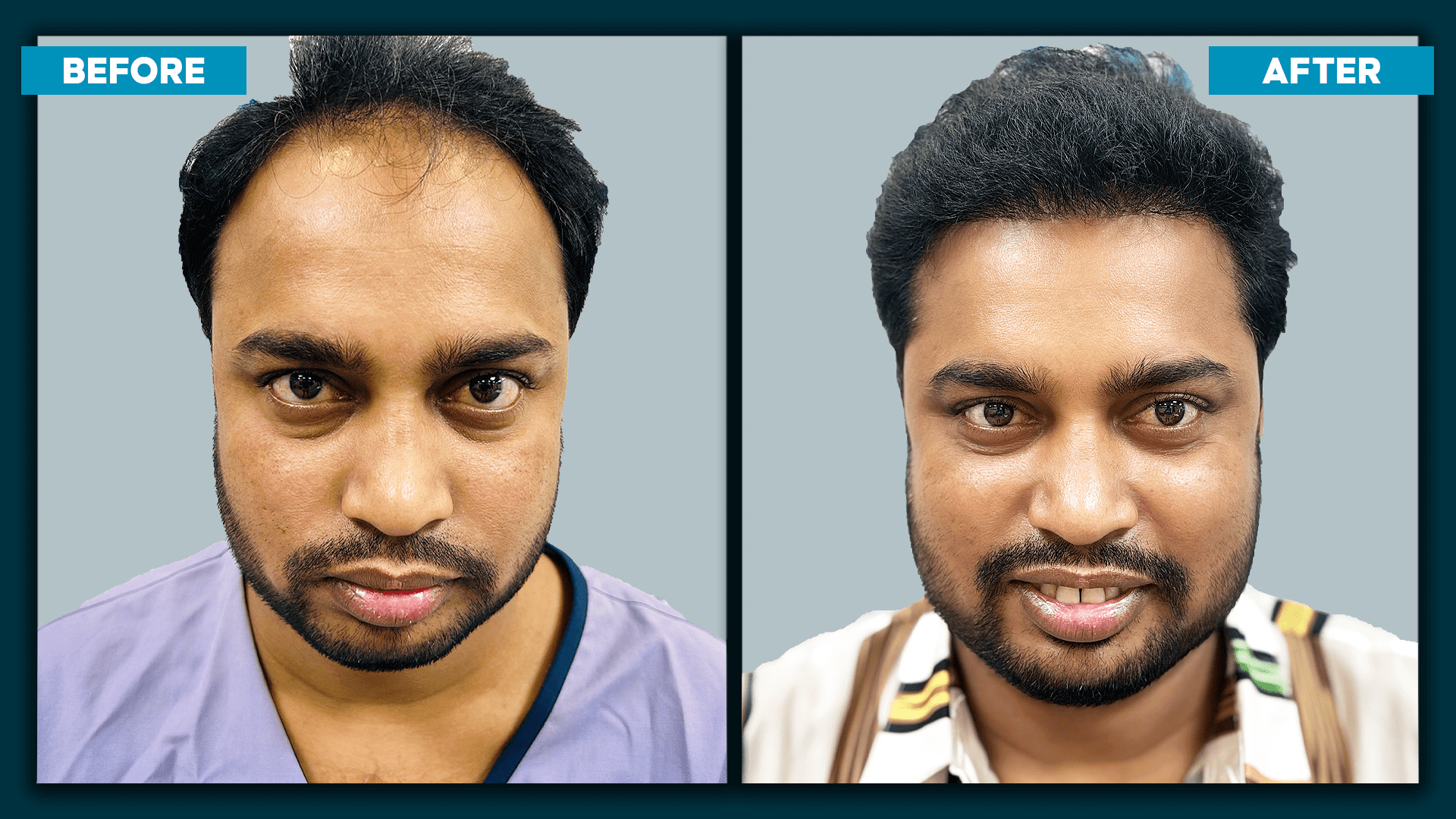
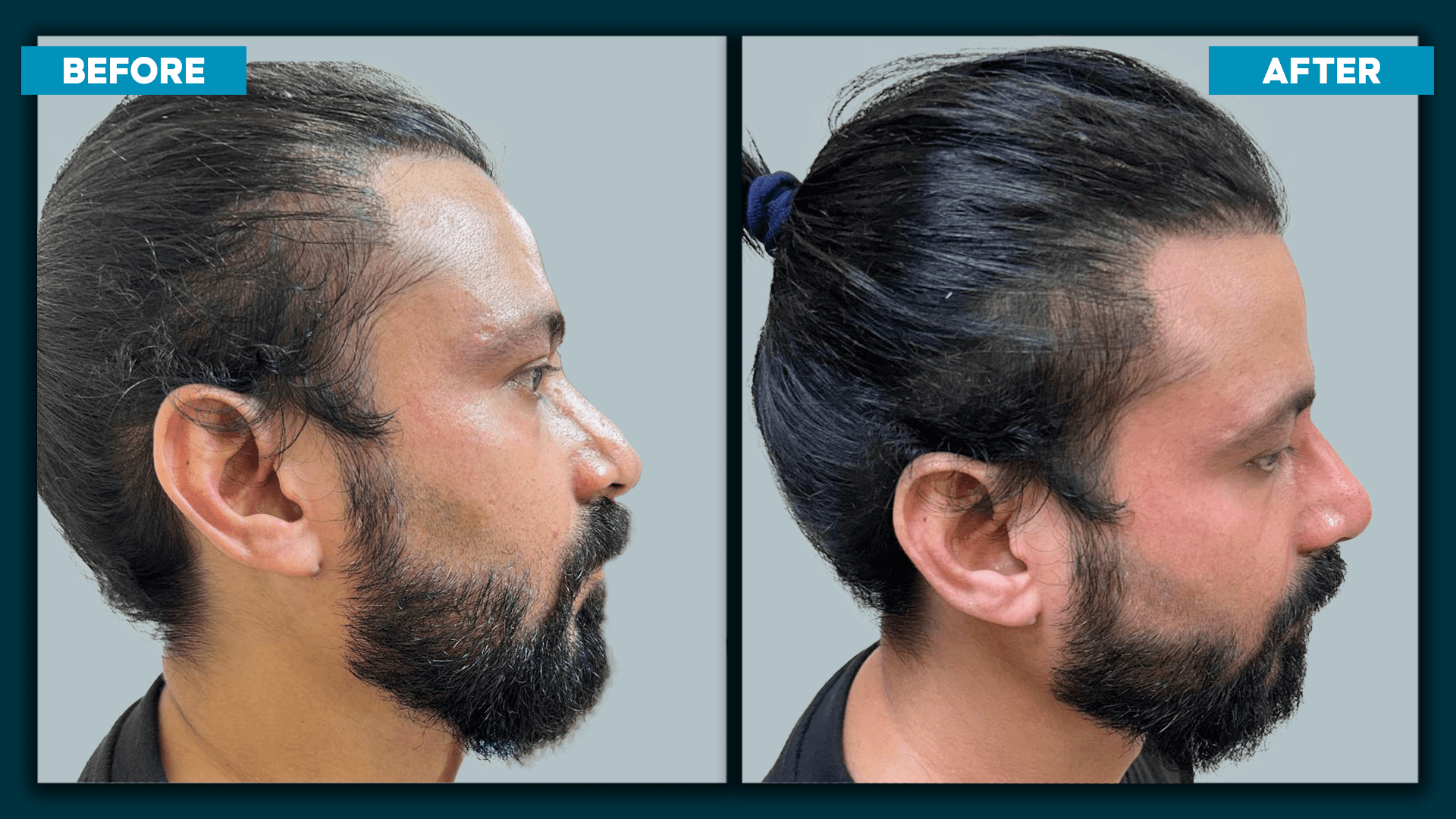
- Before-and-after photos of crown transplants, ideally at the 8–12 month mark when results have fully matured
- Technique offered — FUE, DHI, or a hybrid approach, and whether the clinic explains why a particular technique suits your case
- Transparent, itemized pricing with a written quote and no hidden costs added later
- In-house PRP and post-procedure support, so recovery and maintenance are handled under one roof
- Verifiable patient reviews, ideally with before-and-after proof, not just star ratings
- A proper diagnostic consultation — donor area assessment, scalp laxity check, and graft count estimate before any price is quoted
- Hygiene and safety standards, including sterilization protocols and a qualified surgical team, not just technicians
- Honest expectation-setting, including telling you if PRP alone is enough and a transplant isn’t needed yet
- Aftercare access, including follow-up visits and support if you have concerns during healing
A trustworthy clinic will never pressure you into a decision. Instead, they will assess your scalp, explain your options honestly, and give you a realistic timeline and cost estimate in writing.
Frequently Asked Questions
Does PRP hurt? Most patients describe it as mild discomfort rather than pain, similar to a series of small pinpricks. Numbing cream is typically applied beforehand to keep the session comfortable.
How many grafts are needed for a crown transplant? This varies widely — mild crown thinning may need around 1,000–1,500 grafts, while extensive vertex baldness can require 3,000–4,000 or more. Your surgeon will confirm this after examining your donor area and scalp.
Is crown hair transplant more painful or risky than a hairline transplant? The procedure itself is similarly comfortable under local anesthesia, but the crown is technically more demanding due to its spiral growth pattern, so surgeon skill matters more here than for a hairline case.
How soon will I see results after a crown transplant? Initial shedding of transplanted hair is normal in the first 3–4 weeks. New growth typically begins around month 3–4, with full density and texture visible by month 8–12.
Can I go bald again in the crown area after a transplant? The transplanted grafts themselves are permanent since they are taken from DHT-resistant donor areas. However, surrounding natural hair can continue to thin over time, which is why some patients choose PRP or medical therapy alongside their transplant to protect existing hair.
Is PRP a permanent solution on its own? No. PRP supports and strengthens existing follicles but does not create new ones. It works best as an ongoing maintenance therapy or as a booster alongside a transplant.
Final Verdict: PRP or Crown Hair Transplant?
There is no one-size-fits-all answer, and that is exactly why an in-person consultation matters so much. As a general guide:
- Choose PRP if your crown thinning is mild, your follicles are still active, and you want to slow down hair loss without surgery.
- Choose a Crown Hair Transplant if your crown is significantly bald, your hair loss has stabilized, and you want a permanent, natural-looking solution.
- Consider combining both if you want maximum density and long-term hair health.
Book Your Consultation at The Big Derma
Every scalp is different, and the right treatment depends on your stage of hair loss, donor hair availability, and personal goals. Our team at The Big Derma has over 10 years of experience helping patients in Kolkata and beyond restore their confidence with natural-looking, long-lasting results.
If you are unsure whether PRP or a crown hair transplant is right for you, book a one-on-one consultation with our specialists today. We will assess your scalp, walk you through realistic expectations, and help you choose the treatment path that fits your hair — and your life — best.