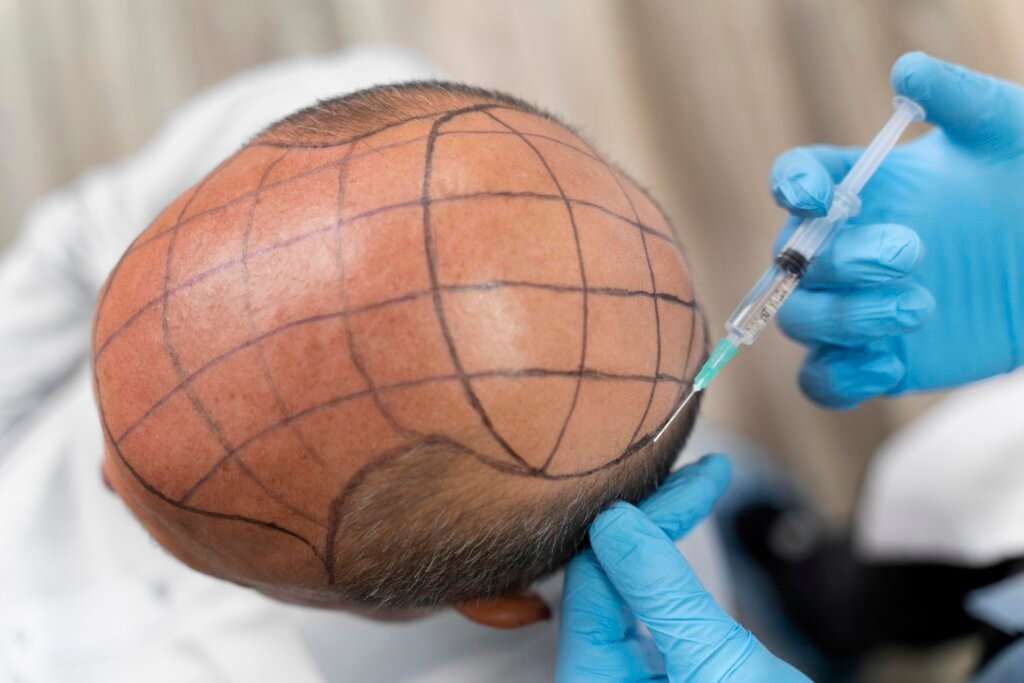
As a hair restoration specialist with over a decade of experience, I’ve sat across from hundreds of patients who share the same mix of excitement and anxiety. They’ve finally decided to invest in themselves, scheduled their procedure, and now face the ultimate test: patience.
A hair transplant is not an overnight fix; it is a biological journey. Understanding what happens beneath your scalp each month transforms the anxiety of the unknown into confidence. Whether you are researching a hair transplant surgery or have just stepped out of a specialized hair transplant clinic, this comprehensive month-by-month guide breaks down your healing and growth journey.
The Immediate Post-Op Phase: Days 1 to 14 (The Critical Window)
The first two weeks dictate the long-term success of your grafts. Whether you underwent FUE (Follicular Unit Extraction) or FUT, your newly transplanted grafts are like freshly planted saplings—they require delicate care.
Days 1 to 3: The Settle-In Period
-
What you’ll see: Mild swelling around the forehead and eyes, tiny red spots in the recipient area, and small scabs forming around each graft.
-
Sensations: Tightness, minor throbbing, and numbness in the donor area (at the back of your head).
-
The Rules: Do not touch, scratch, or bump your grafts. Sleep with your head elevated at a 45-degree angle using a travel pillow to minimize facial swelling.
Days 4 to 7: Healing and Gentle Washing
-
What you’ll see: Redness begins to fade, and scabs start to dry out.
-
Washing Rules: Around day 4 or 5, your clinic will guide you on gentle scalp washing. Pour lukewarm water gently over your head using a cup—never aim a high-pressure showerhead directly at the recipient zone—and gently pat dry with a clean paper towel.
Days 8 to 14: The Scab-Free Milestone
-
What you’ll see: By day 10 to 14, scabs will begin to soften and drop off during washing. Your scalp will appear pinkish, and the donor area will heal nicely.
-
The Milestone: Your grafts are now firmly anchored into the blood supply of your scalp.
Warning Signs: When to Contact Your Clinic Immediately
While minor discomfort and mild redness are standard, keep an eye out for these red flags during the first two weeks:
-
Persistent or Excessive Bleeding: Active, continuous bleeding from the graft sites or donor region.
-
Severe, Worsening Pain: Pain that escalates significantly after day 3 or does not respond to prescribed painkillers.
-
Signs of Infection: Spreading redness accompanied by increasing heat, foul-smelling yellow/green pus, or a systemic fever.
-
Sudden Large Swelling: Facial or scalp swelling that continues to worsen after day 5.
If you experience any of these, contact your medical team right away for assessment.
Month 1: The “Ugly Duckling” Phase & Shock Loss
-
Key Symptoms: Shedding and temporary shock loss.
-
What to Expect: Around weeks 3 and 4, many patients experience a sudden panic: the hair shafts attached to the newly implanted grafts begin to fall out in the shower or on your pillow.
Expert Insight: Do not panic! This is completely normal. Known as shock loss or shedding, the hair shafts shed because the follicle enters a resting phase (telogen) following the physical stress of extraction and implantation. The root remains safely embedded beneath your scalp, building strength to push out new, permanent hair.
Months 2 to 3: The Quiet Period & Managing Folliculitis Bumps
-
Key Symptoms: Invisibility, patience testing, and pimple-like bumps.
-
What to Expect: During this stage, your scalp may look much like it did before the surgery. However, as new hairs begin to form under the skin around Month 2 or 3, you might notice small, red, pimple-like bumps or tiny whiteheads.
-
Understanding Post-Op Folliculitis: This occurs when new hair shafts try to push through skin tissue or when oil glands temporarily clog.
-
How to Handle It: Apply a warm compress to the area for 5–10 minutes to soothe irritation. Never squeeze, pop, or pick at these bumps, as this can introduce bacteria. If a bump becomes persistent, large, or painful, your surgeon can prescribe a mild topical antibiotic or safely drain it during a follow-up.
-
Months 4 to 5: The Awakening (First Signs of Growth)
-
Key Symptoms: Fine, wispy baby hairs breaking through the surface.
-
What to Expect: Around month 4, the visible transformation begins. You will notice tiny, fine, light-colored hairs sprouting across the recipient area.
-
Texture Check: These initial hairs often appear curly, fine, or unruly. As the hair shaft thickens and gains natural pigment over the coming months, its texture will normalize and blend seamlessly with your surrounding hair.
Months 6 to 8: Density, Style, and Milestones
-
Key Symptoms: Noticeable coverage, thickening, and styling freedom.
-
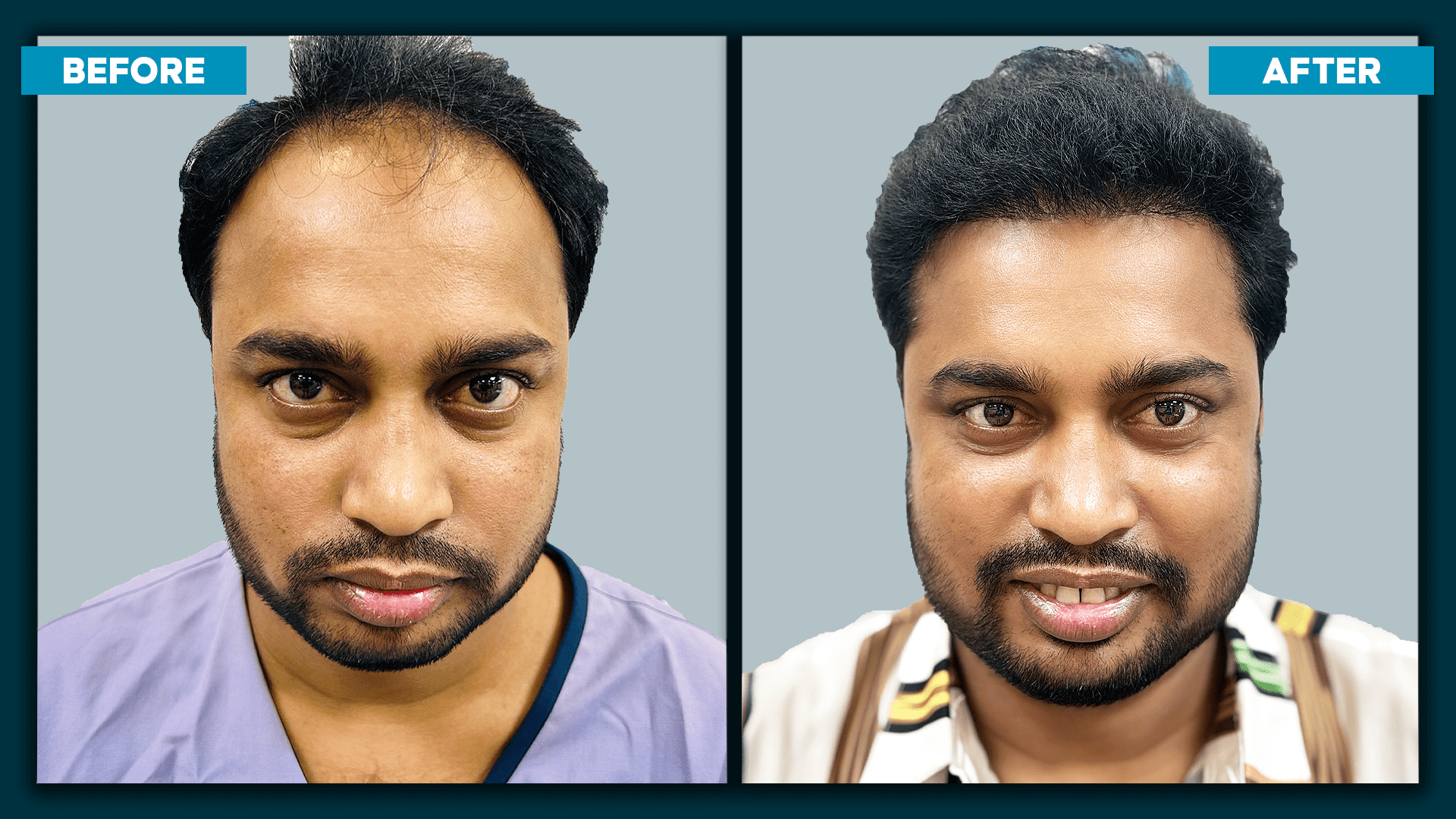
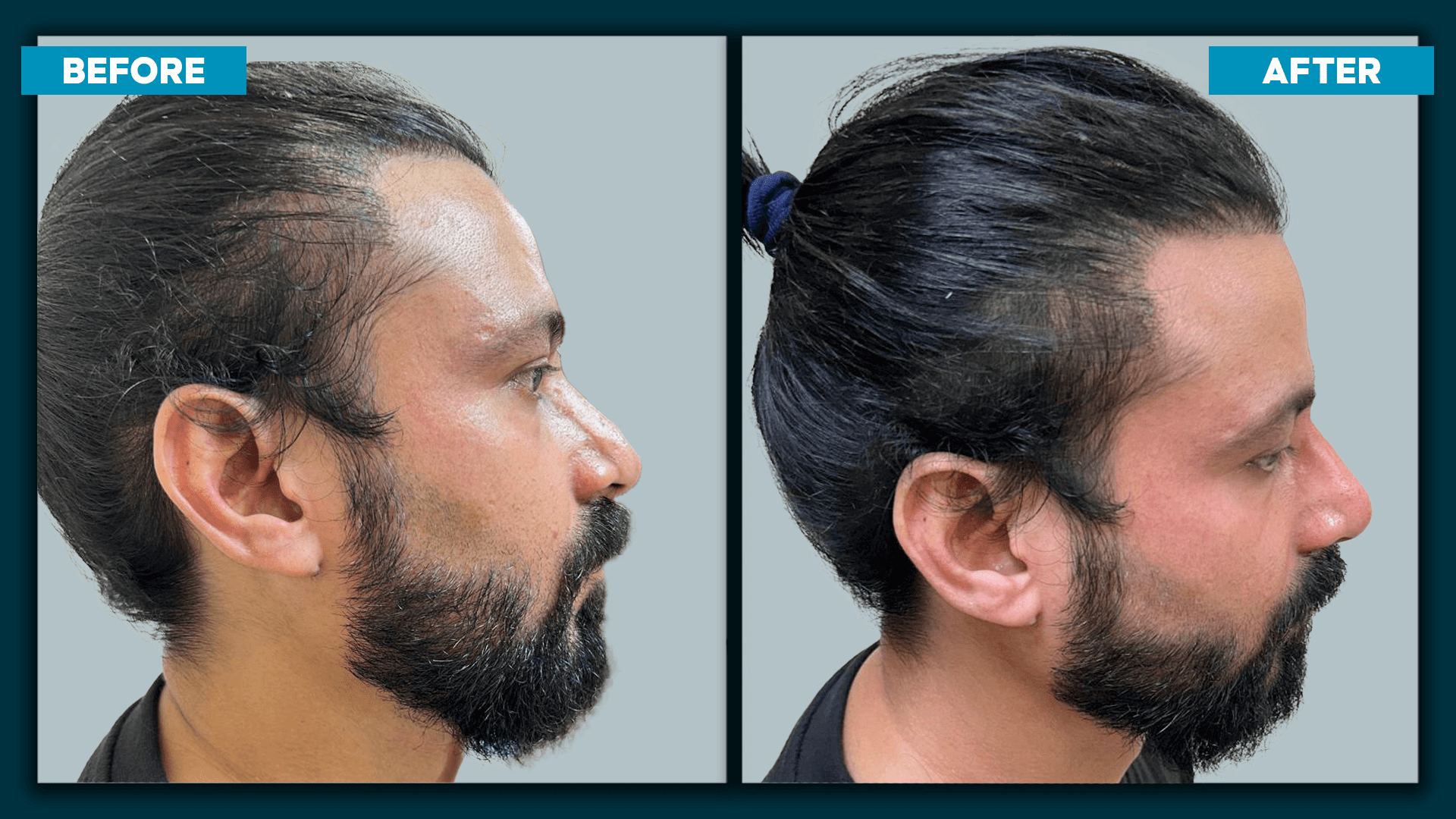
What to Expect: By month 6, about 50% to 60% of your final hair transplant results will be visible. Coverage over the scalp becomes substantial, and hair density increases each week.
-
Barber Visits: You can safely visit a barber for a gentle trim (scissors-only on the recipient area for the first few months; clippers on the recipient zone can typically be used after month 6 once cleared by your surgeon).
Months 9 to 18: Full Maturation & Peak Density
-
Months 9 to 12: Roughly 85% to 90% of your transplanted hair has grown out. Individual hair shafts reach their full thickness, caliber, and natural wave pattern.
-
Months 12 to 18: The crown (vertex) area often takes up to 18 months to reach peak density due to lower natural vascularity in that region.
Essential Post-Op Lifestyle & Activity Milestones
Knowing when it is safe to resume regular habits protects your new grafts and ensures optimal healing:
| Activity / Habit | Safe Timeline | Guidance |
| Light Walking | Day 3 | Promotes circulation without raising blood pressure excessively. |
| Heavy Gym / Weightlifting | Week 3–4 | Avoid heavy straining or heavy lifting early on to prevent blood pressure spikes at graft sites. |
| Sweating & Cardio | Week 3 | Light sweating is okay after Day 14; heavy cardio sweating after Week 3. |
| Swimming (Chlorine / Saltwater) | Month 1 | Avoid pool chemicals and natural water contaminants until all incisions are fully closed. |
| Hats & Helmets | Week 2–4 | Loose-fitting hats after Day 10–14; tight motorcycle helmets only after Week 3 or 4. |
| Hair Dye & Chemical Treatments | Month 2 | Wait at least 6 to 8 weeks before applying harsh chemicals to the scalp. |
Maximizing Your Results with Supportive Therapies
Achieving world-class hair restoration is a partnership between your surgical team’s precision and your post-operative maintenance. To accelerate healing and boost long-term density:
-
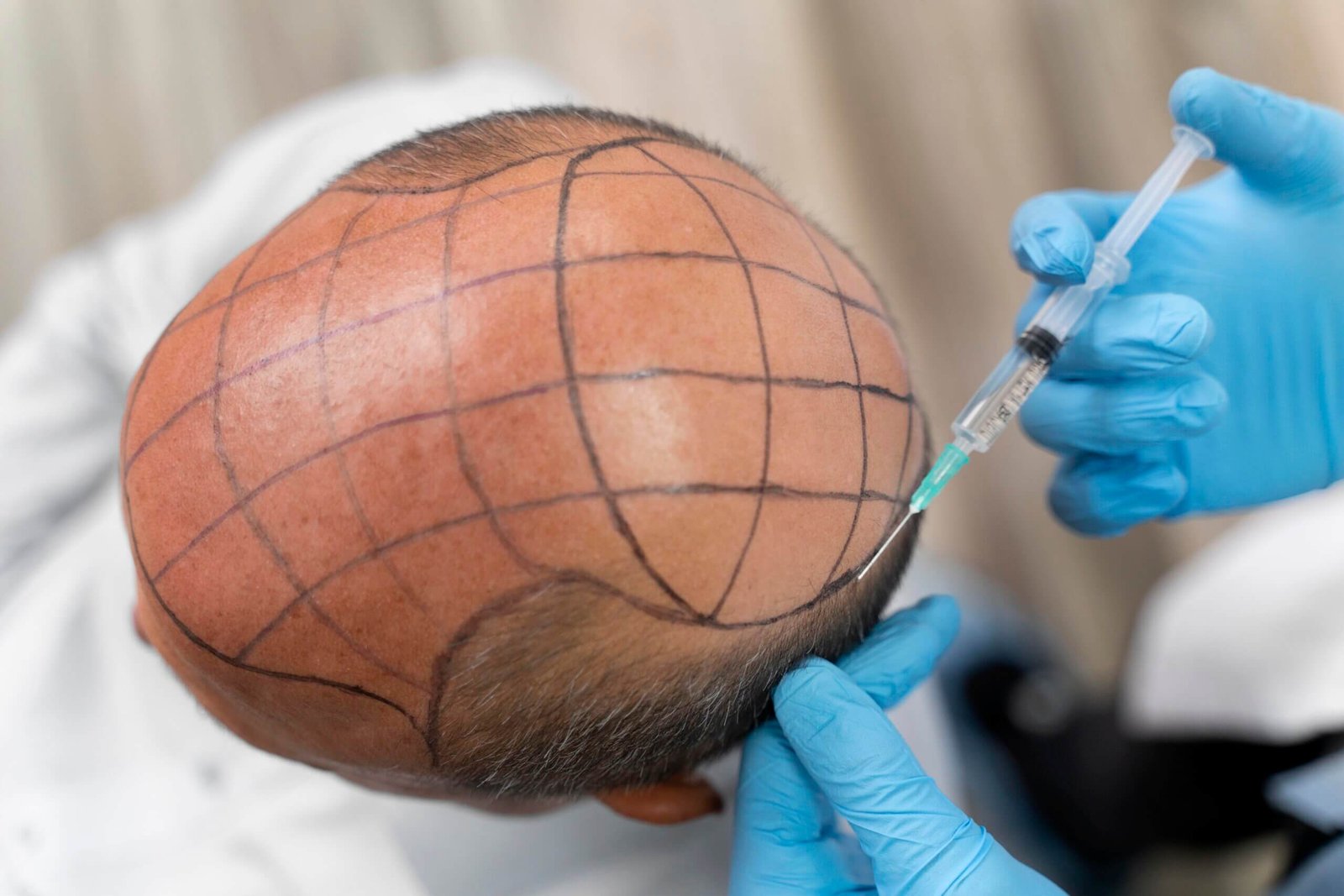
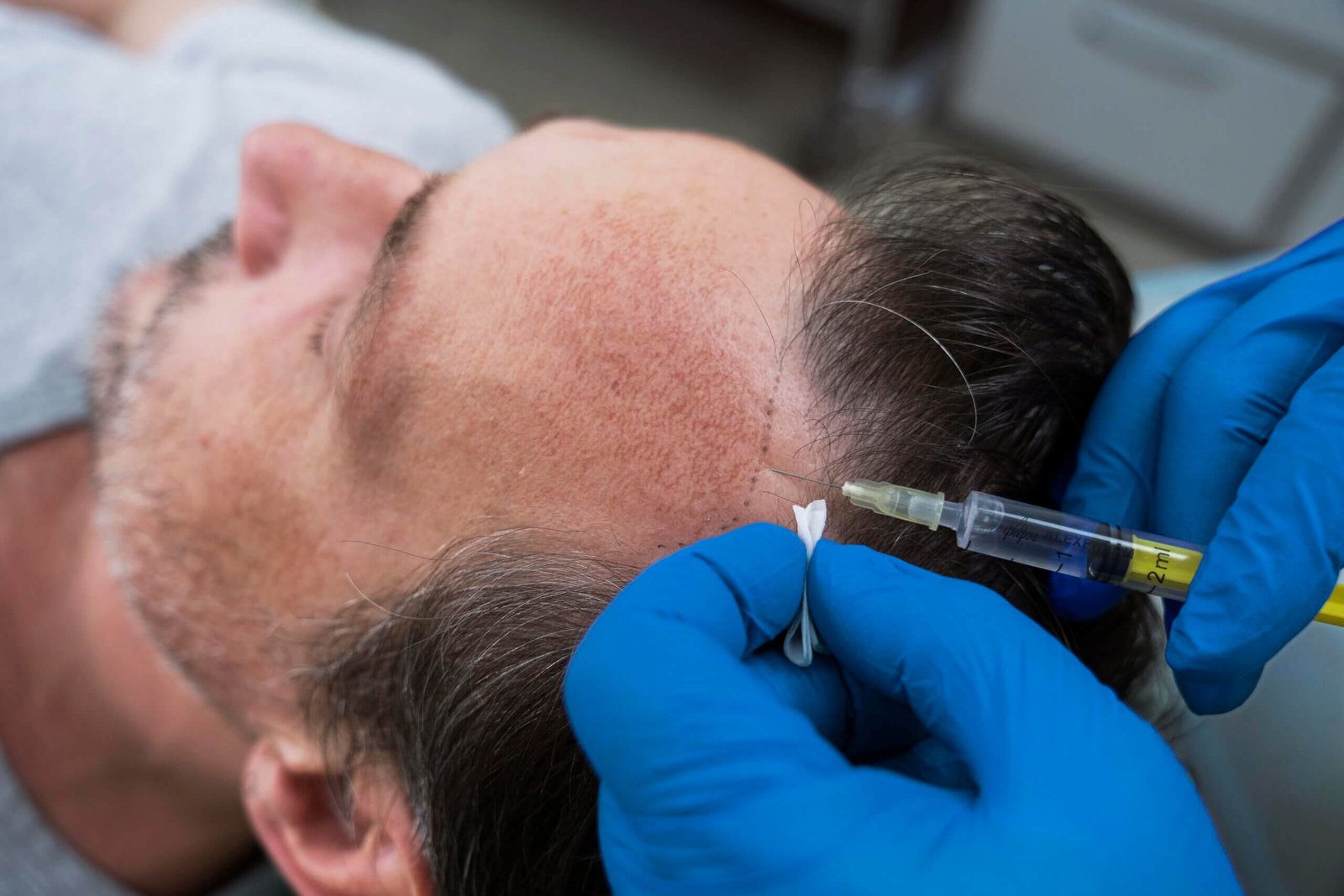
Adjuvant Treatments (PRP & GFC): Platelet-Rich Plasma (PRP) and Growth Factor Concentrate (GFC) injections deliver rich growth factors directly into the scalp tissue. Administered post-operatively, these sessions help anchor new grafts, accelerate healing, and stimulate thicker regrowth.
-
Medical Maintenance: Consult your specialist about non-surgical preventative treatments like topical or oral Finasteride and Minoxidil to prevent progressive thinning in non-transplanted native hair.
-
Choose Excellence: The foundation of a seamless recovery begins with meticulous technique during surgery. If you are exploring options locally, consulting an experienced medical team at a trusted hair transplant clinic ensures minimized trauma and maximized graft survival rates.
Begin Your Restoration Journey with Big Derma
Recovering from a hair transplant requires patience, care, and professional guidance every step of the way. At Big Derma, our expert team specializes in advanced, minimally invasive restoration techniques designed to optimize graft survival and deliver natural, permanent hair transplant results.
If you are planning your procedure or want a personalized assessment for a hair transplant in kolkata, we are here to support your journey from consultation to full hair growth.
Visit us today at Big Derma to schedule your personalized consultation.