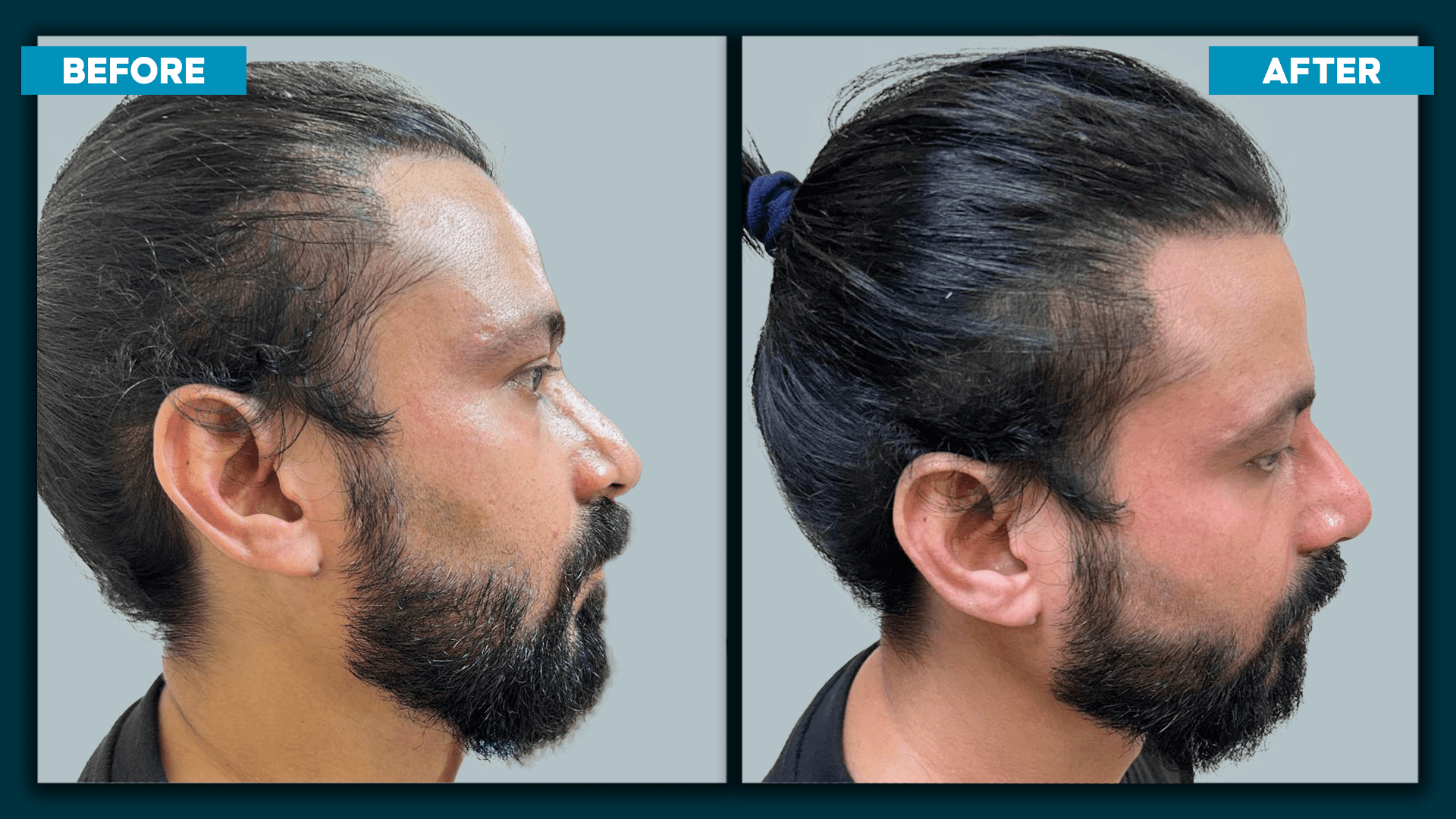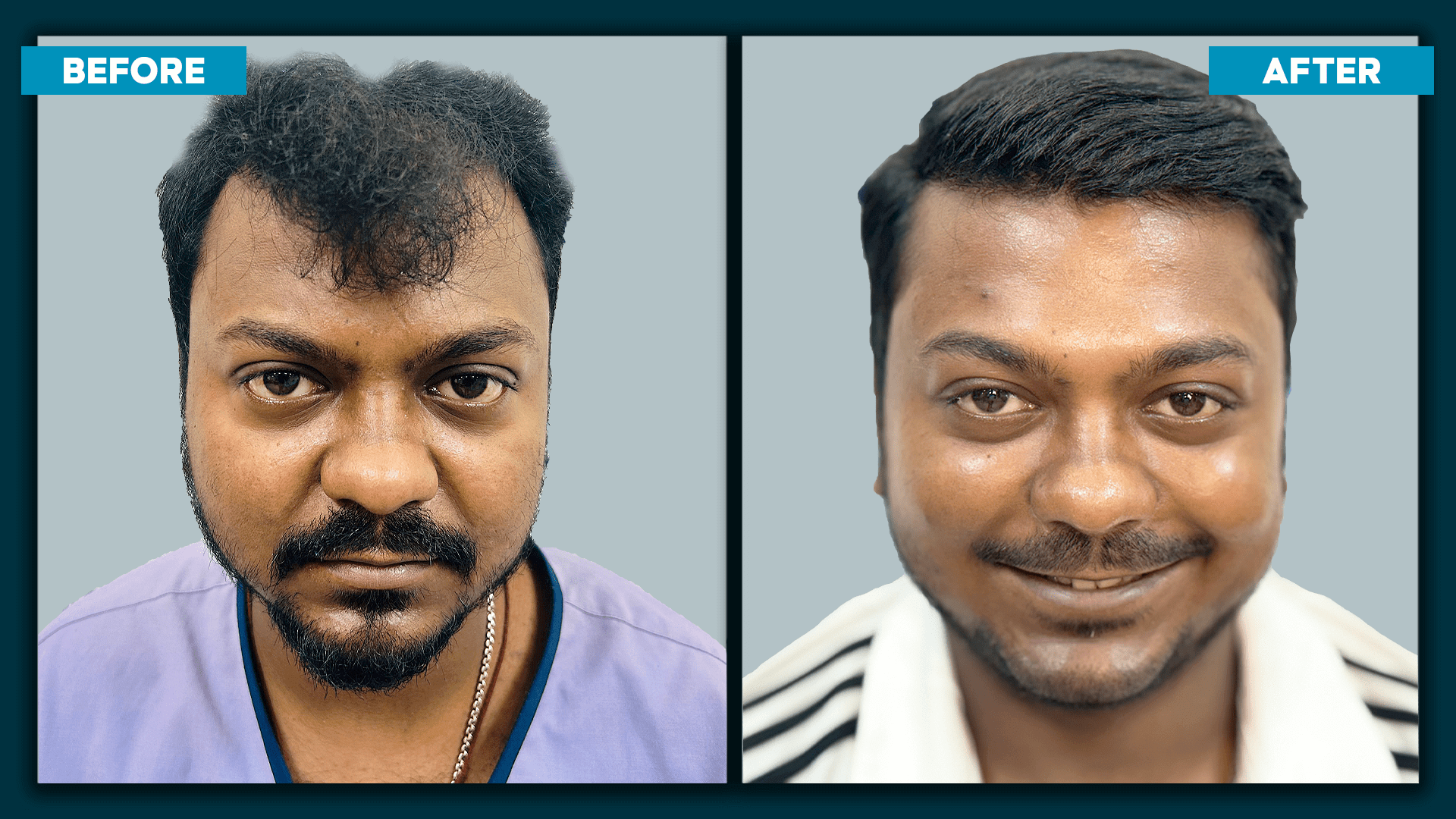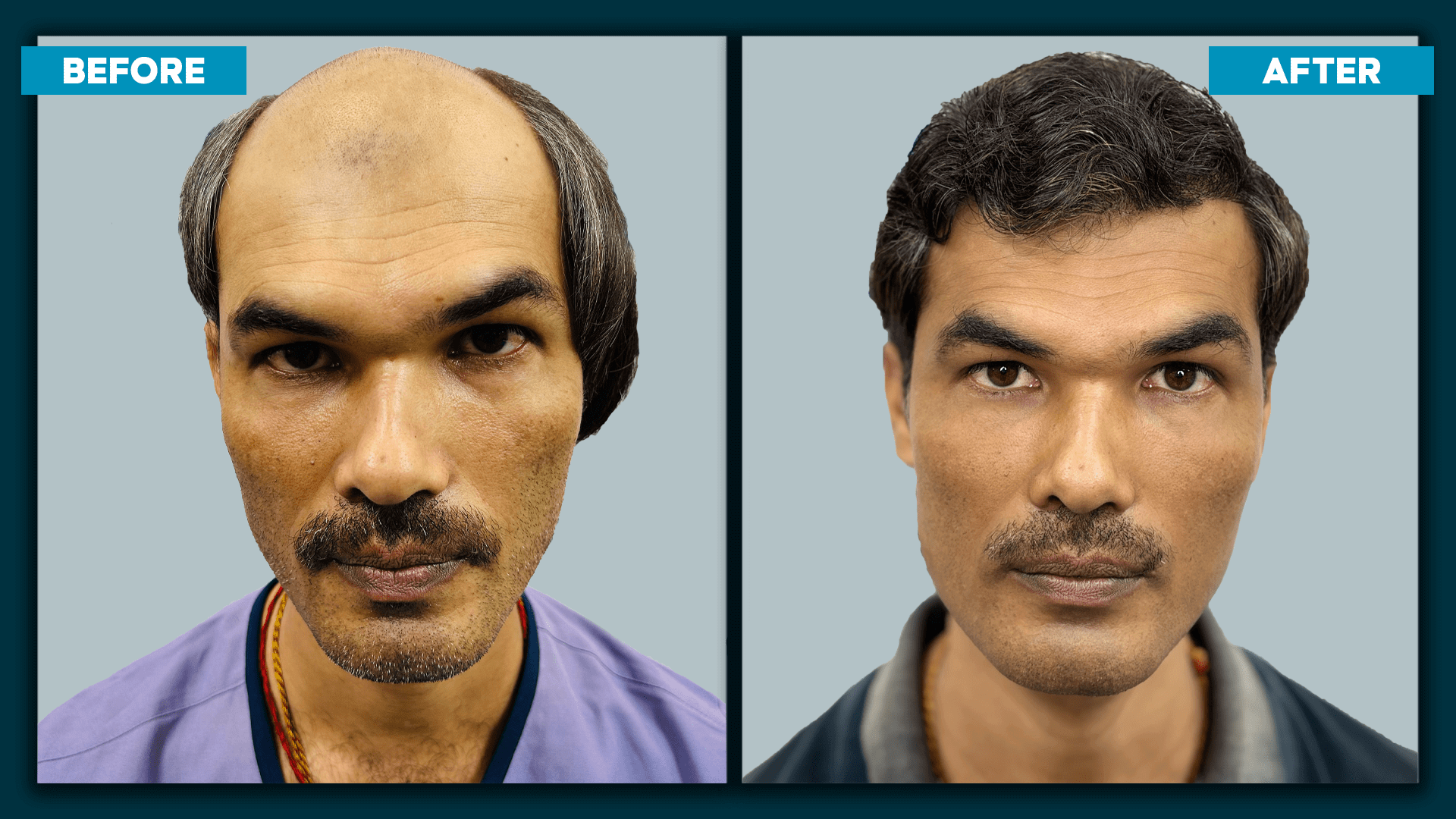
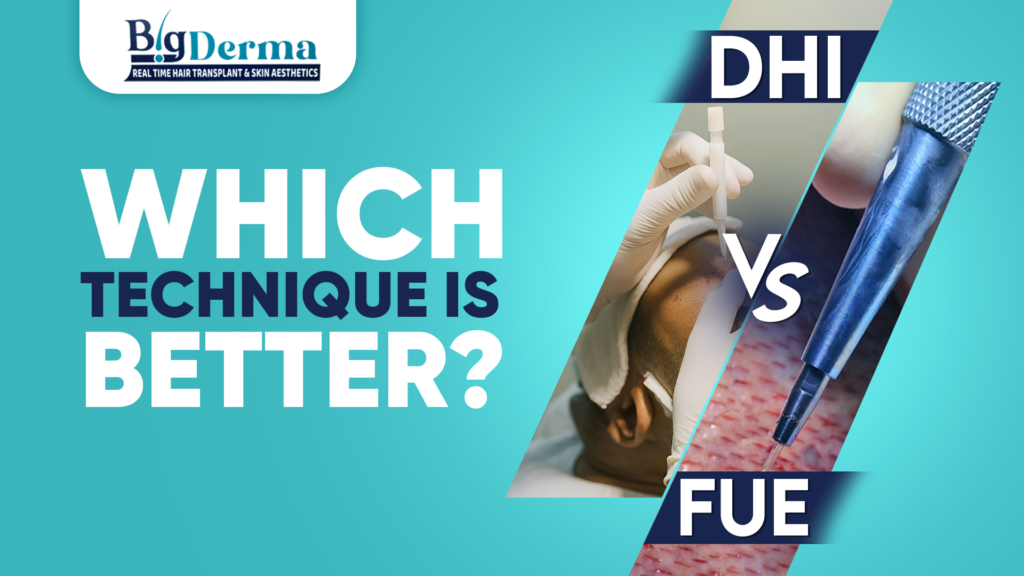
Hair loss is a common concern for both men and women, and choosing the right hair transplant technique plays a crucial role in achieving natural, long-lasting results. Among the most discussed options, FUE (Follicular Unit Transplantation) and DHI (Direct Hair Implantation) stand out as reliable and proven methods.
At Big Derma Clinic, Kolkata, patients often ask: Which technique is better—FUE or DHI?
The answer depends on multiple factors, including the extent of hair loss, donor area strength, expectations, and lifestyle. This detailed guide explains both techniques clearly to help you make an informed decision.
Understanding Hair Transplant Basics
A hair transplant is a medical procedure in which healthy hair follicles are taken from a donor area—usually the back or sides of the scalp—and transplanted into areas affected by hair thinning or baldness.
Key Goals of a Hair Transplant
- Restore natural hair density
- Create a realistic hairline
- Achieve permanent hair growth
- Improve confidence and appearance
Both FUE and DHI aim to achieve these goals but differ in extraction method, implantation technique, recovery time, and precision.
What Is FUE (Follicular Unit Transplantation)?
FUE is one of the oldest and most established hair transplant techniques, often recommended for patients with advanced hair loss.
How FUE Hair Transplant Is Performed
- A thin strip of scalp is surgically removed from the donor area
- The strip is carefully divided into individual follicular units
- Tiny incisions are created in the recipient area
- Hair follicles are implanted into these incisions
The donor area is then sutured, leaving a thin linear scar that is usually hidden by surrounding hair.
Advantages of FUE Hair Transplant
Suitable for Large Bald Areas
FUE allows transplantation of a high number of grafts in a single session, making it ideal for extensive hair loss.
Strong Graft Survival
Because follicles are extracted under direct vision, graft quality and survival rate are generally high.
Cost-Effective Option
Compared to advanced techniques, FUE is often more affordable for patients needing large coverage.
Limitations of FUE
Linear Scar
Although usually hidden, FUE leaves a thin scar, which may be visible with very short hairstyles.
Longer Recovery Time
Healing may take slightly longer compared to minimally invasive methods.
Less Precision in Hairline Design
While results are natural, FUE offers less control over hair angle and density compared to DHI.
What Is DHI (Direct Hair Implantation)?
DHI is a modern and advanced hair transplant technique known for precision and minimal invasiveness.
How DHI Hair Transplant Is Performed
- Individual hair follicles are extracted from the donor area
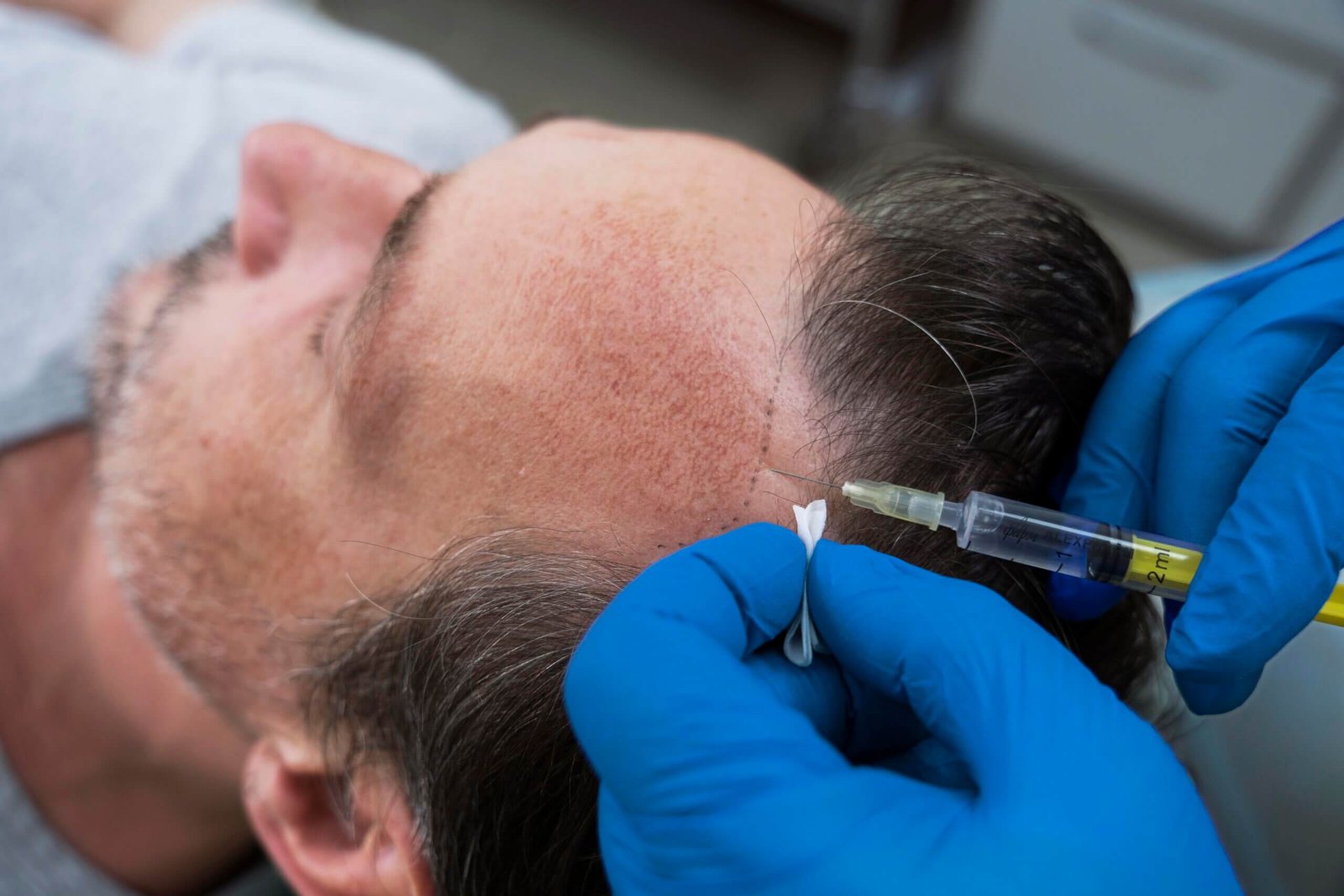
- Follicles are implanted directly using a specialized implanter pen
- No pre-made incisions are required
- Angle, direction, and depth are controlled during implantation
This method reduces trauma to the scalp and improves natural hair growth patterns.
Advantages of DHI Hair Transplant
High Precision and Natural Results
DHI allows exact control over hair placement, making it ideal for hairline design and density improvement.
Minimal Scarring
Since no stitches or large incisions are involved, scarring is almost invisible.
Faster Healing
Patients usually experience less swelling and can return to daily activities quickly.
Ideal for Selective Hair Restoration
DHI is perfect for crown area, temples, frontal hairline, and corrective procedures.
Limitations of DHI
Time-Consuming Procedure
DHI requires careful implantation, which may take longer than FUE.
Limited Graft Numbers Per Session
Not ideal for very large bald areas requiring mass graft transplantation.
Higher Technical Expertise Required
The success of DHI heavily depends on the surgeon’s skill and experience.
FUE vs DHI: Detailed Comparison
Technique
- FUE: Strip removal followed by graft implantation
- DHI: Direct implantation using implanter pen
Scarring
- FUE leaves a thin linear scar
- DHI leaves minimal dot-like scars
Recovery Time
- FUE recovery is moderate
- DHI offers faster healing
Hairline Naturalness
- FUE provides good coverage
- DHI offers superior hairline precision
Ideal Candidate
- FUE suits advanced baldness
- DHI suits mild to moderate hair loss
Which Technique Is Better for You?
There is no universal “best” method. The right choice depends on individual needs.
FUE Is Better If You:
- Have extensive or advanced baldness
- Need a large number of grafts
- Prefer fewer sessions
- Are comfortable with a hidden linear scar
DHI Is Better If You:
- Want a natural, dense hairline
- Prefer minimal scarring
- Have localized or moderate hair loss
- Want faster recovery
At Big Derma Clinic, Kolkata, every patient undergoes a detailed consultation to determine the most suitable approach.
Importance of Proper Consultation
Choosing the wrong technique can affect results. A professional evaluation considers:
- Hair loss pattern
- Donor area strength
- Hair thickness and texture
- Age and future hair loss risk
This personalized approach ensures long-term satisfaction and natural appearance.
Why Choose Big Derma Clinic, Kolkata?
- Experienced hair transplant specialists
- Advanced medical equipment
- Ethical and transparent guidance
- Customized treatment planning
- Natural, permanent results
Our focus is not just hair restoration, but restoring confidence and quality of life.
Conclusion
Both FUE and DHI hair transplant techniques are effective when performed by skilled professionals. FUE is ideal for large-scale hair restoration, while DHI excels in precision, density, and natural hairline design. The best technique depends on your hair loss condition, expectations, and medical suitability.
At Big Derma Clinic, Kolkata, expert guidance ensures you receive the right treatment for long-lasting and natural results.
FAQs About FUE vs DHI Hair Transplant
Is DHI better than FUE?
DHI offers more precision, while FUE is better for extensive baldness.
Which technique is more natural?
DHI provides better control over hair direction and density.
Are the results permanent?
Yes, both techniques offer permanent hair restoration.
Can women undergo FUE or DHI?
Yes, both methods are suitable for women depending on hair loss pattern.