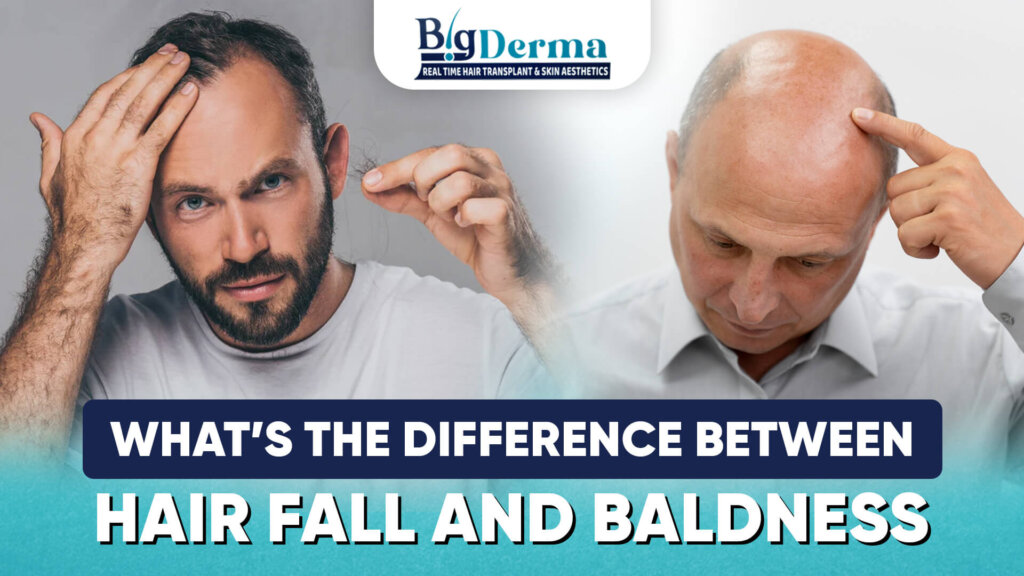
Are you noticing extra hair on your pillow, comb, or shower drain and wondering whether it is normal hair fall or the early signs of baldness? Although both conditions involve hair loss, they are not exactly the same. Hair fall is usually temporary and may occur because of stress, hormonal imbalance, illness, poor nutrition, medications, or unhealthy hair care habits. Baldness, however, is often progressive and is commonly associated with genetics, alopecia, or long-term damage to hair follicles that can eventually lead to permanent hair thinning or bald patches.
The challenging part is that both conditions can appear very similar during the early stages. A few extra strands while washing or combing your hair may not seem serious at first, but gradual thinning or visible scalp changes can sometimes indicate a deeper problem. Understanding the difference between temporary hair shedding and progressive hair loss can help you recognize when simple lifestyle changes may help and when professional treatment may be necessary.
What Is Hair Fall?
Hair fall refers to excessive shedding of hair from the scalp. In most cases, it is temporary and occurs when the natural hair growth cycle becomes disrupted due to stress, illness, hormonal imbalance, nutritional deficiencies, medications, or lifestyle-related factors.
People experiencing hair fall may notice:
- increased hair shedding during washing or combing,
- more hair on pillows or hairbrushes,
- reduced hair volume,
- or increased breakage.
Although the hair may appear thinner overall, distinct bald patches are usually not present. Hair fall can affect both men and women and may develop suddenly or gradually depending on the underlying trigger.
What Is Baldness?
Baldness refers to partial or complete loss of hair growth, most commonly affecting the scalp. Unlike temporary hair fall, baldness is often progressive and long-term.
The medical term commonly associated with baldness is alopecia. Depending on the type and cause, baldness may develop slowly over several years or appear suddenly in patches.
In many cases, baldness occurs because hair follicles gradually shrink and stop producing healthy hair. Over time, this can result in visible scalp exposure, thinning crown areas, receding hairlines, or permanent bald patches.
Key Difference Between Hair Fall and Baldness
Although both conditions involve losing hair, the primary difference lies in whether the hair follicles continue producing healthy hair growth.
Hair fall is usually temporary and occurs when the normal hair growth cycle becomes disturbed. In many situations, the hair follicles remain healthy, allowing hair to regrow once the underlying cause improves.
Baldness, however, is often progressive. Hair follicles gradually become smaller and weaker over time, producing thinner and shorter hairs until some follicles eventually stop producing visible hair completely.
Most people naturally lose around 50 to 100 hairs daily as part of the normal hair cycle. Temporary shedding is considered normal, but persistent thinning or visible scalp changes may indicate progressive hair loss.
Hair Fall Is Usually Temporary
Hair fall commonly develops because of:
- stress,
- illness,
- hormonal imbalance,
- nutritional deficiency,
- childbirth,
- sudden weight loss,
- or unhealthy lifestyle habits.
Since the follicles usually remain healthy, hair regrowth may occur once the trigger is identified and treated.
Baldness Is Often Progressive
Baldness develops differently from temporary shedding. Over time, hair follicles shrink and begin producing weaker and thinner hair strands. Eventually, some follicles may stop producing hair completely.
This process is known as follicle miniaturization and is commonly seen in androgenetic alopecia, also called hereditary pattern baldness.
Can Hair Fall Turn Into Baldness?
Temporary hair fall does not always lead to permanent baldness. However, untreated chronic hair loss may gradually reduce hair density over time.
Long-term nutritional deficiencies, chronic scalp inflammation, and repeated tension from tight hairstyles can sometimes permanently damage hair follicles. Prolonged traction on the hair may eventually lead to permanent hair loss if not treated early.
In some cases, individuals with hereditary baldness may initially mistake the early stages for ordinary hair fall before more noticeable thinning patterns appear.
Treatment of Hair Loss and Baldness
Hair loss and baldness can affect both men and women and may develop because of genetics, hormonal imbalance, stress, nutritional deficiencies, aging, or medical conditions. If you are experiencing hair fall or baldness, several surgical and non-surgical treatment options are available depending on the cause and severity of the condition.
One of the most commonly recommended non-surgical treatments is Minoxidil, a topical medication that may help stimulate hair follicles and encourage hair regrowth. Doctors may also prescribe Finasteride for men with hereditary hair loss. Finasteride works by reducing DHT, a hormone associated with androgenetic alopecia and follicle miniaturization.
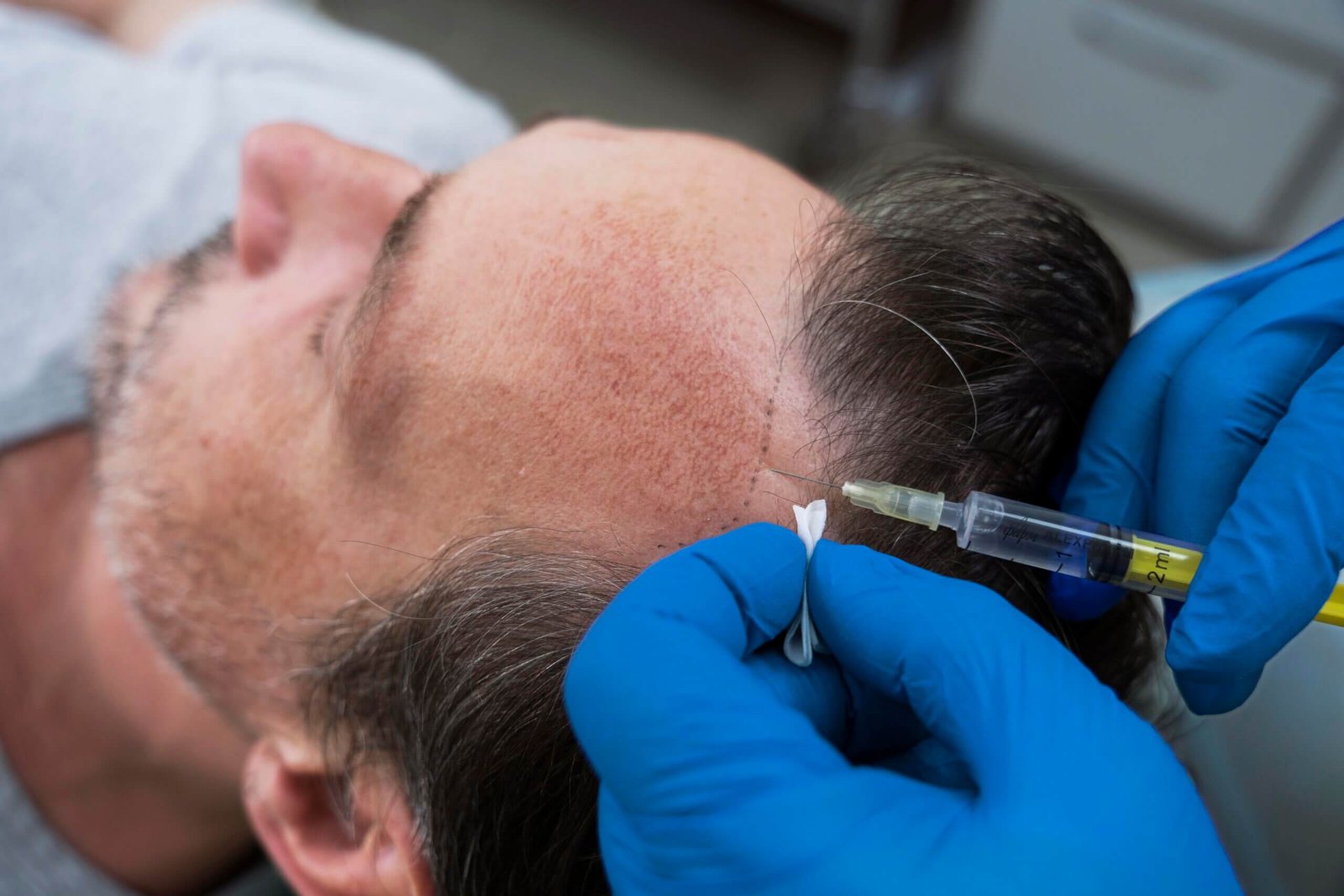
Advanced non-surgical procedures such as PRP (Platelet-Rich Plasma) therapy and GFC (Growth Factor Concentrate) treatment are also widely used for hair restoration. PRP therapy uses platelet-rich plasma obtained from the patient’s own blood to improve scalp health and support follicle activity. GFC treatment uses concentrated growth factors that may help strengthen weakened follicles and improve hair density.
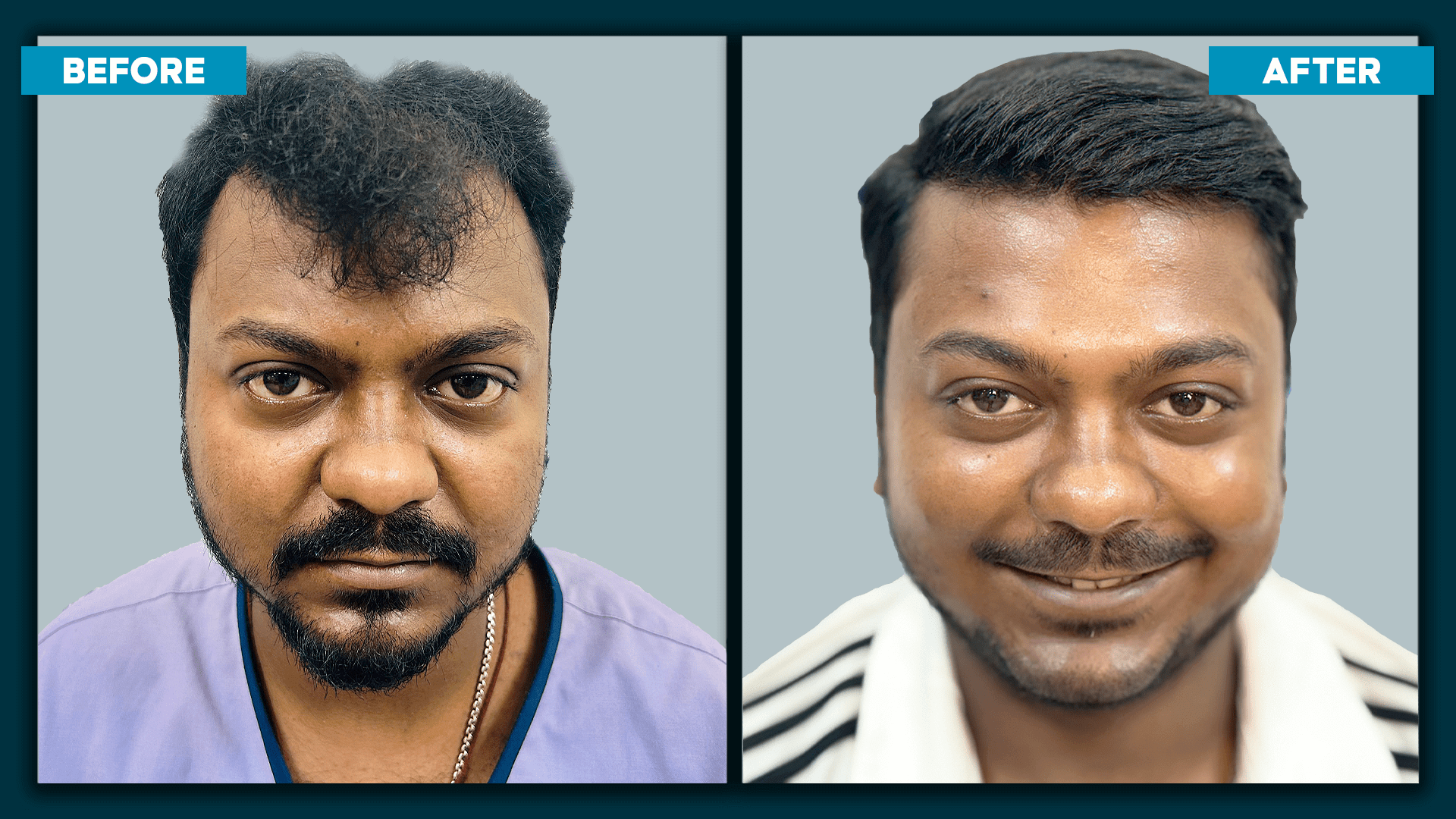
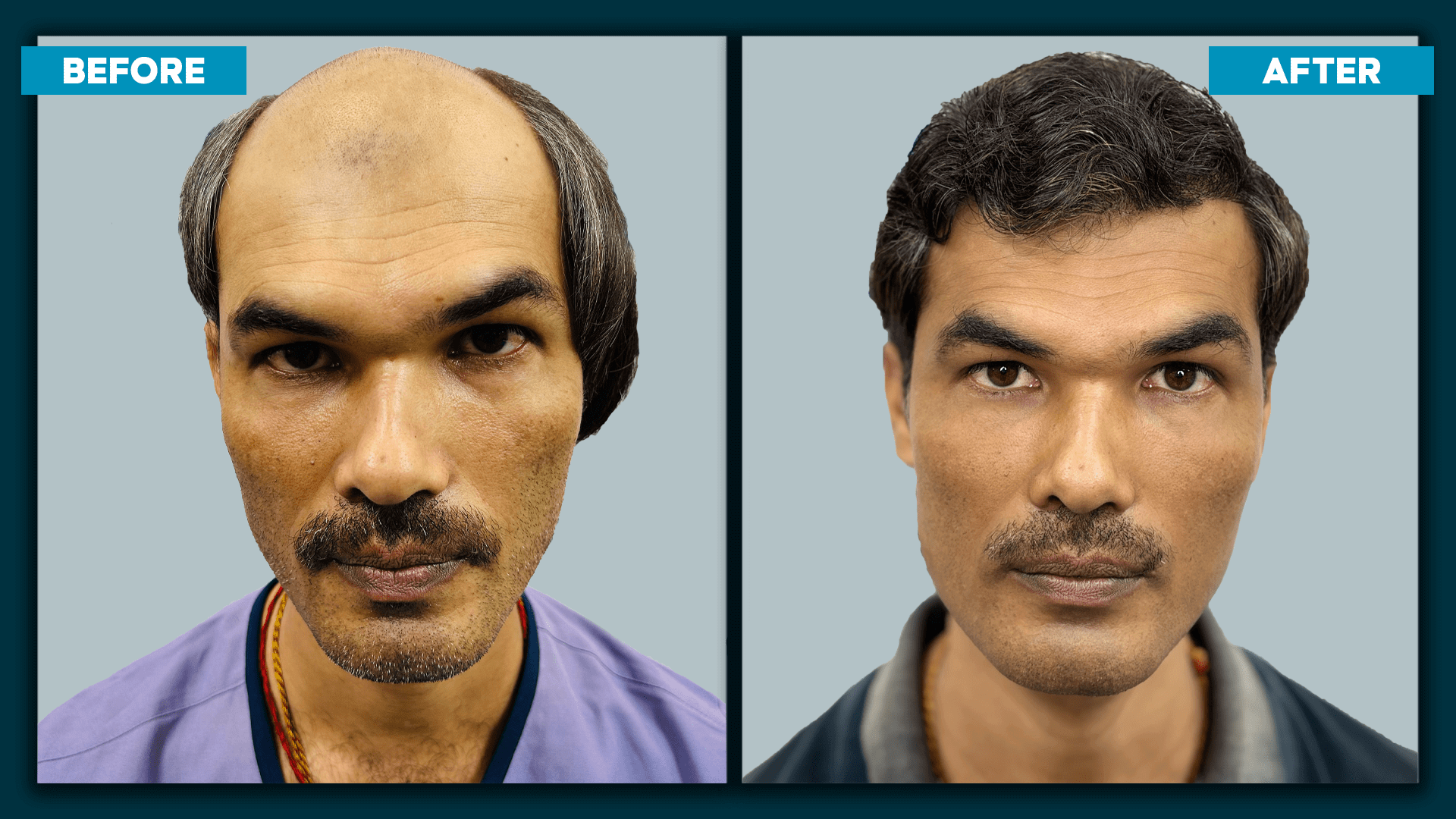
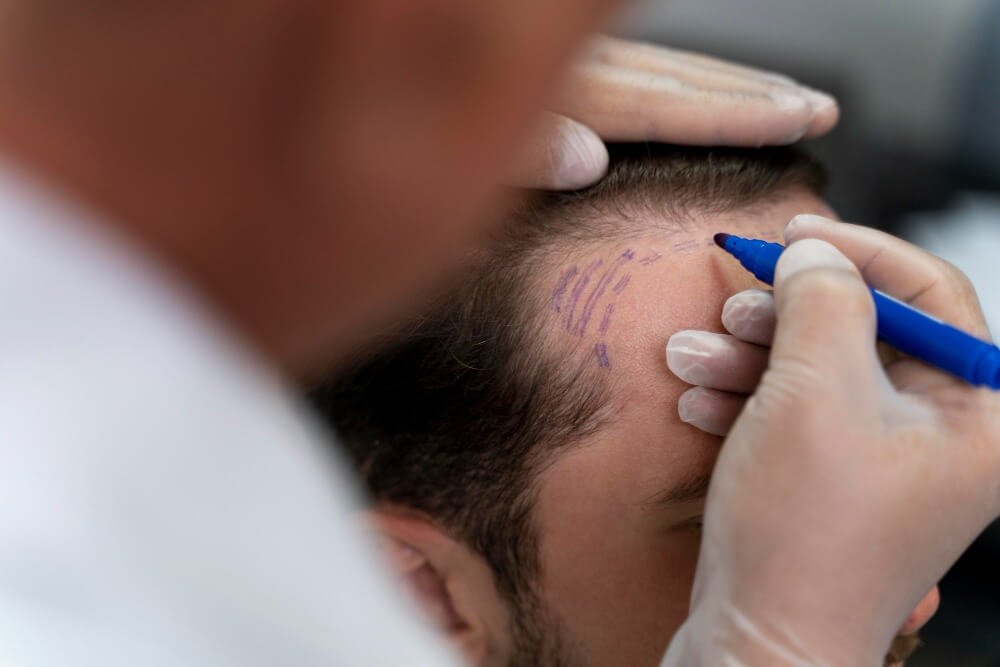
For severe or permanent baldness, hair transplant surgery may be recommended. Procedures such as FUE and FUT involve transferring healthy hair follicles from donor areas to thinning or bald regions of the scalp.
Consulting a qualified dermatologist or hair restoration specialist is important for proper diagnosis and personalized treatment planning.
Conclusion
Hair fall and baldness may sound similar, but they are not always the same condition. Hair fall is usually temporary and commonly linked to stress, illness, hormonal changes, or nutritional deficiencies. Baldness, on the other hand, is often progressive and may involve hereditary or long-term follicular damage.
Paying attention to thinning patterns, visible scalp changes, and family history can help you understand whether your hair loss is temporary or progressive. If hair shedding becomes persistent or you notice continuous thinning, consulting a dermatologist can help identify the underlying cause and guide the right treatment approach.