
Why Am I Losing Hair?
Your hair loss may seem to start suddenly, but in many cases the underlying cause begins months before the shedding becomes noticeable. One of the most common causes is androgenetic alopecia, also known as hereditary hair loss. This inherited condition leads to gradual thinning around the crown or hairline and often runs in families. Stress is another major trigger. Emotional stress, surgery, illness, rapid weight loss, or infections such as COVID-19 can push hair follicles into a resting phase, causing increased shedding several months later. Hormonal changes also play a significant role. Thyroid disorders, menopause, polycystic ovarian syndrome, and testosterone-related changes may disrupt the normal hair cycle. Nutritional deficiencies, including low iron, zinc, vitamin D, biotin, or inadequate protein intake, can weaken hair growth and increase breakage. Certain medications and rapid weight-loss treatments may also contribute. Hair health often reflects overall body health, which is why identifying the root cause is essential before starting treatment.
15 Common Causes of Hair Loss in Men & Women
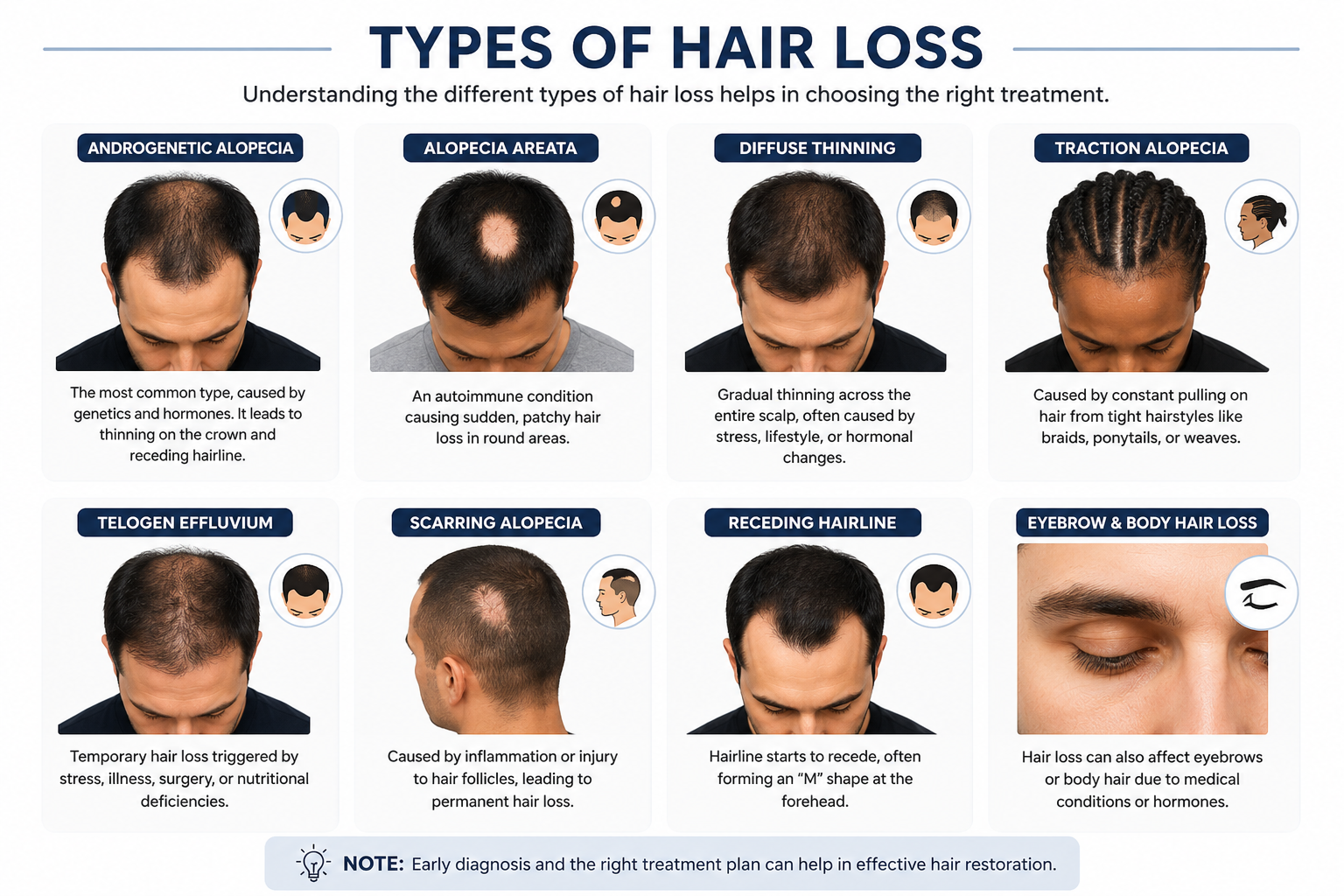
Alopecia areata :
Alopecia areata is an autoimmune condition that causes hair loss when the immune system mistakenly attacks healthy hair follicles. It commonly appears as smooth, round patches of baldness on the scalp, although it can affect any part of the body. The condition affects nearly 2% of people during their lifetime and may occur at any age. Some individuals experience temporary hair loss with complete regrowth, while others face recurring episodes. Although there is currently no permanent cure, treatments such as corticosteroids, minoxidil, and JAK inhibitors may help stimulate hair growth. Public awareness increased after actress Jada Pinkett Smith discussed her condition openly.
Discoid Lupus :
Discoid lupus is a chronic autoimmune skin disease that commonly affects the scalp, face, and ears. The condition causes red, inflamed, scaly lesions that may leave scars and permanent discoloration. Unlike alopecia areata, where hair follicles usually remain healthy, discoid lupus can destroy hair follicles through severe inflammation, leading to irreversible hair loss. Many patients also experience increased sensitivity to sunlight, which may worsen flare-ups. Early diagnosis and treatment are important to reduce inflammation and prevent long-term skin damage. Doctors may recommend corticosteroids, antimalarial medications, and strict sun protection to help manage symptoms and slow the progression of the disease.
Telogen Effluvium:
Telogen effluvium is a common form of temporary hair loss that occurs when physical or emotional stress pushes large numbers of hair follicles into the shedding phase of the hair growth cycle. People with this condition often notice excessive hair fall while washing or brushing their hair, especially on the top of the scalp. Common triggers include illness, surgery, childbirth, nutritional deficiencies, emotional stress, and rapid weight loss. Unlike scarring forms of hair loss, telogen effluvium does not permanently damage hair follicles, so hair usually grows back over time. Recovery may take several months, but most people experience gradual and complete regrowth.
Allergic Reaction :
Allergic reactions affecting the scalp can sometimes trigger temporary hair loss by causing inflammation and irritation around hair follicles. Common causes include hair dyes, shampoos, fragrances, preservatives, and cosmetic products that lead to allergic contact dermatitis. Symptoms may include redness, itching, burning, swelling, flaking, and increased hair shedding. Inflammation from allergic reactions can disrupt the normal hair growth cycle and push more hairs into the shedding phase. In many cases, hair regrows after the allergen is removed and the scalp heals. Dermatologists may diagnose scalp allergies through patch testing and physical examination, while treatment often includes corticosteroids, antihistamines, and gentle scalp care.
Syphilis:
Syphilis is a sexually transmitted infection caused by the bacterium Treponema pallidum. In recent years, health organizations have reported a significant rise in syphilis cases worldwide. The infection develops in stages and may initially cause painless sores, followed by symptoms such as rash, fever, swollen lymph nodes, fatigue, and hair loss during secondary syphilis. Hair loss associated with syphilis, known as syphilitic alopecia, may appear as diffuse thinning or patchy “moth-eaten” bald spots on the scalp. Researchers believe the condition develops because of inflammatory immune responses triggered by the infection. Syphilis is usually diagnosed through blood testing and medical examination. Fortunately, the disease is highly treatable with antibiotics such as penicillin, and hair regrowth often occurs after successful treatment. However, untreated syphilis may eventually cause severe complications affecting the brain, heart, nerves, and other organs.
Biotin :
Biotin, also known as vitamin B7, is a water-soluble vitamin that supports energy metabolism and helps maintain healthy hair, skin, and nails. Because biotin contributes to keratin production, it is commonly promoted as a hair growth supplement. Medical research confirms that biotin deficiency can lead to diffuse hair thinning, brittle hair, skin rashes, and weak nails. However, true biotin deficiency is considered uncommon in healthy individuals because biotin is found in many foods and may also be produced by intestinal bacteria. Studies suggest that biotin supplements mainly benefit people with a confirmed deficiency rather than all types of hair loss. Nutritional hair loss linked to biotin deficiency is often associated with telogen effluvium, a temporary shedding condition. Foods such as eggs, nuts, seeds, salmon, and legumes naturally contain biotin. Excessive supplementation may also interfere with laboratory blood tests, including thyroid and hormone testing.
Iron Deficiency Anemia:
Iron deficiency anemia occurs when the body lacks enough iron to produce adequate hemoglobin, the protein responsible for carrying oxygen in red blood cells. Because hair follicles require oxygen and nutrients to function properly, low iron levels may contribute to excessive hair shedding and diffuse thinning. Research suggests that iron deficiency is commonly associated with telogen effluvium, a temporary form of hair loss in which many hairs prematurely enter the shedding phase of the growth cycle. Symptoms of iron deficiency anemia may include fatigue, weakness, pale skin, shortness of breath, brittle nails, dizziness, and hair thinning. Doctors often diagnose the condition through blood tests that measure hemoglobin and ferritin levels. Treatment may involve iron supplements, dietary changes, or addressing underlying causes of iron loss. Foods rich in iron include red meat, beans, spinach, lentils, and fortified cereals. Hair regrowth often improves once iron levels normalize.
Trichotillomania:
Trichotillomania, also known as hair-pulling disorder, is considered one of the psychological hair loss reasons that causes repeated urges to pull out hair from the scalp, eyebrows, eyelashes, or other parts of the body. The condition is classified as a body-focused repetitive behavior and is often associated with anxiety, stress, depression, or obsessive-compulsive symptoms. Repeated pulling may lead to patchy bald spots, thinning hair, and visible hair damage. Some individuals pull hair automatically without realizing it, while others do so intentionally to relieve emotional tension or distress. Over time, constant pulling can damage hair follicles and, in severe cases, lead to permanent hair loss. Trichotillomania commonly begins during adolescence and may significantly affect emotional well-being, confidence, and social life. Treatment often includes cognitive behavioral therapy, habit reversal training, stress management, and support for underlying mental health conditions. Early treatment may help reduce hair pulling and encourage hair regrowth.
Traction Alopecia:
Traction alopecia is a form of hair loss caused by repeated tension or pulling on the hair follicles over time. It commonly develops from tight hairstyles such as braids, ponytails, cornrows, buns, weaves, and hair extensions. Constant pulling places stress on the scalp and may lead to thinning hair, broken strands, scalp irritation, and a receding hairline, especially around the temples and edges. In the early stages, traction alopecia is often reversible if the tension is reduced and the scalp is allowed to recover. However, long-term follicle damage may result in permanent hair loss and scarring. Dermatologists recommend avoiding hairstyles that cause pain, tightness, or scalp tenderness. Treatment may include changing styling habits, reducing chemical or heat damage, and using medications such as topical minoxidil to support regrowth. Early recognition is important because prompt intervention may help preserve healthy hair follicles and improve hair recovery outcomes.
Thyroid and Zinc:
Thyroid disorders and zinc deficiency are well-known causes of diffuse hair loss. Severe or prolonged hypothyroidism can slow the hair growth cycle, leading to thinning across the scalp rather than isolated bald patches. Common symptoms often include fatigue, dry skin, weight gain, brittle hair, and feeling unusually cold. According to the American Thyroid Association and the British Thyroid Foundation, hair regrowth usually begins after thyroid hormone levels are corrected, although recovery may take several months.
Zinc also plays an essential role in hair follicle function and tissue repair. Low zinc levels may contribute to hair shedding, weakened strands, and delayed regrowth. In some people, nutritional deficiencies and thyroid disease occur together, worsening hair loss. Experts also warn that high-dose biotin supplements, often taken for hair health, can interfere with thyroid blood tests and produce misleading laboratory results.
Medications:
Certain medications are considered important hair loss causes because they can interrupt the normal hair growth cycle and lead to temporary or long-term shedding. One of the most common hair loss reasons linked to medication use is telogen effluvium, a condition where hairs enter the resting phase too early and fall out excessively several months later. Research shows that medications associated with hair loss include chemotherapy drugs, antidepressants, blood thinners, anticonvulsants, beta blockers, thyroid medications, and acne treatments such as isotretinoin. Rapid weight loss connected with GLP-1 medications like Ozempic may also trigger shedding, although experts believe sudden weight reduction is often the main factor rather than the medication directly. In many cases, hair regrowth begins once the medication is adjusted or discontinued under medical supervision. Dermatologists may also recommend treatments such as topical Minoxidil, PRP therapy, GFC treatment, nutritional support, and correction of underlying deficiencies to support hair recovery and maintain long-term scalp health.
Female Pattern Hair loss:
Female pattern hair loss, also called androgenetic alopecia, is the most common cause of hair thinning in women.The condition usually develops gradually and becomes more noticeable after menopause. Hair thinning often begins around the center part of the scalp, causing widening of the part line and reduced hair density across the crown. Researchers believe genetics, aging, and hormonal changes—especially the influence of dihydrotestosterone (DHT)—play important roles in the condition. Unlike sudden shedding disorders such as telogen effluvium, female pattern hair loss progresses slowly over time. The condition does not usually cause complete baldness, but hair follicles gradually shrink, producing finer and shorter strands. Diagnosis may involve scalp examination, blood tests, or dermoscopy to rule out other causes of hair loss. Treatments supported by dermatology guidelines include topical minoxidil, oral medications such as finasteride in selected patients, platelet-rich plasma therapy, and low-level laser therapy to help slow hair thinning and encourage regrowth.
Polycystic Ovarian Syndrome:
Polycystic ovarian syndrome (PCOS) is considered a common hormonal condition affecting women during their reproductive years. Research shows that many women with PCOS have higher androgen, or testosterone, levels, which may lead to irregular periods, acne, infertility, and female pattern hair thinning. Hair thinning usually appears around the crown and center part of the scalp because excess androgens can gradually shrink hair follicles. According to reproductive health and dermatology studies, insulin resistance and inflammation may also contribute to hair changes in PCOS. Doctors often diagnose the condition through blood tests, ultrasound scans, and symptom evaluation. Treatment usually focuses on balancing hormone levels through lifestyle changes, weight management, oral contraceptives, antiandrogen medications, and nutritional support. Although research into female pattern hair thinning and PCOS is ongoing, early treatment may help slow hair thinning and improve scalp and hair health over time.
Male Pattern Hair loss:
Male pattern hair loss, also known as androgenic alopecia, is the most common form of hair loss in men. It is linked to genetics and androgens, especially dihydrotestosterone (DHT), a hormone that gradually shrinks hair follicles. This process causes hair to become thinner, shorter, and eventually stop growing. The condition usually begins with a receding hairline or thinning at the crown and may progress with age. Research shows that both inherited genes and hormone sensitivity influence the severity and pattern of hair loss. Male pattern hair loss can start as early as the late teens or twenties, although it becomes more common after the age of 30. Treatments such as minoxidil, finasteride, platelet-rich plasma therapy, and hair transplantation may help slow hair loss or stimulate regrowth. Early diagnosis and treatment often improve long-term results and help maintain hair density.
Hard Water:
Hard water is one of the common causes of hair loss and hair damage. It contains excess minerals like calcium and magnesium that build up on the scalp and hair strands. This mineral layer blocks moisture and makes hair dry, rough, and weak. Another major reason is the difference in pH level. Hard water has a higher pH than the natural pH of hair, which lifts the hair cuticle and causes frizz, dullness, and breakage. Over time, shampoos and conditioners become less effective because of mineral deposits. Continuous exposure to hard water can lead to excessive hair fall, scalp irritation, and thinning appearance.
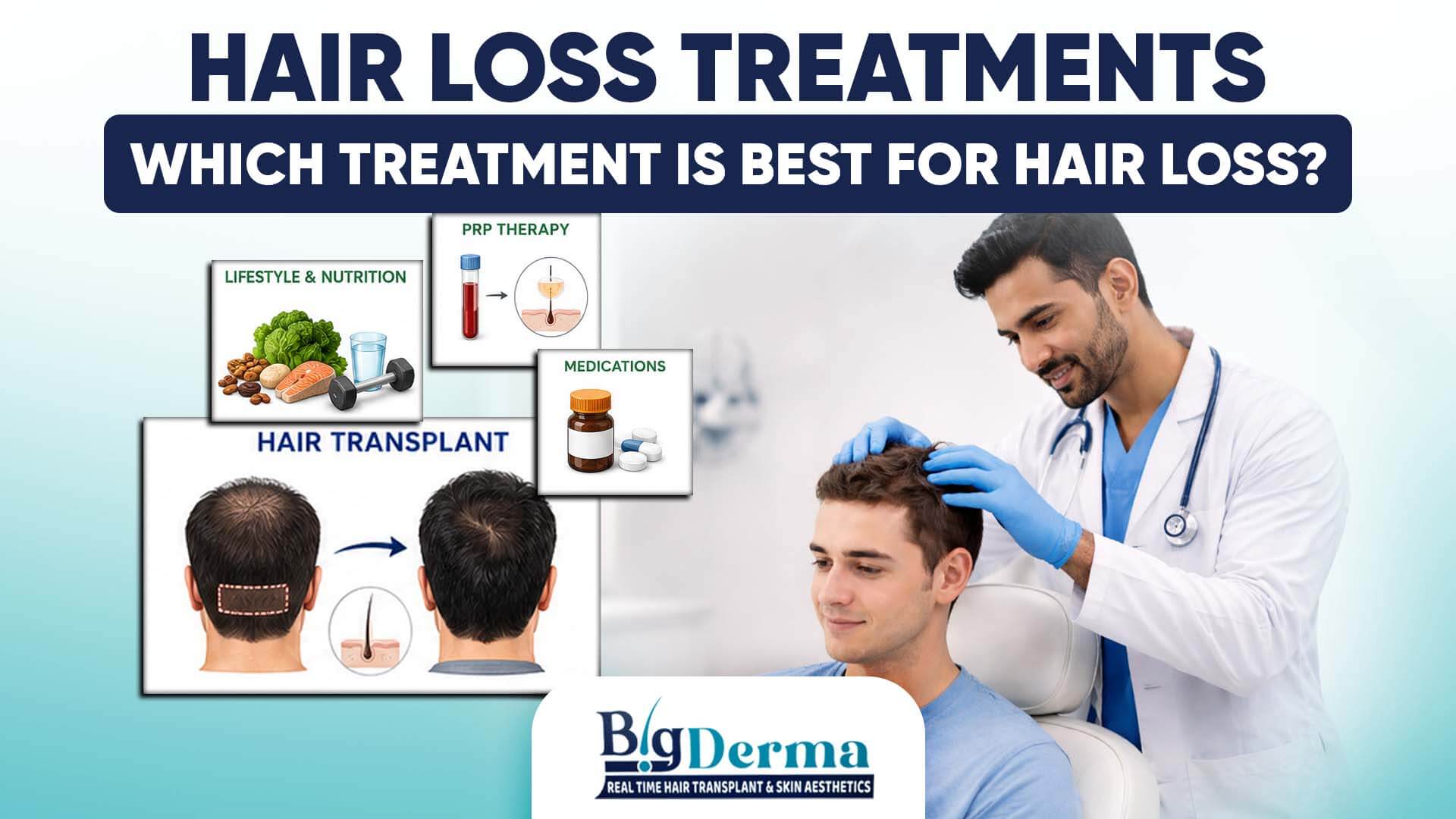
Hair loss is a complex condition with multiple possible causes, ranging from genetics and hormones to nutrition, stress, and medical conditions. Identifying the underlying cause is essential for effective treatment and long-term hair health. If you are experiencing persistent hair thinning or baldness, consulting a specialist can help determine the right solution. Depending on the underlying cause, treatments such as minoxidil, PRP therapy , GFC treatment, nutritional support, and advanced hair transplant procedures may help reduce hair fall, stimulate regrowth, and improve overall scalp coverage.

 Chat with us