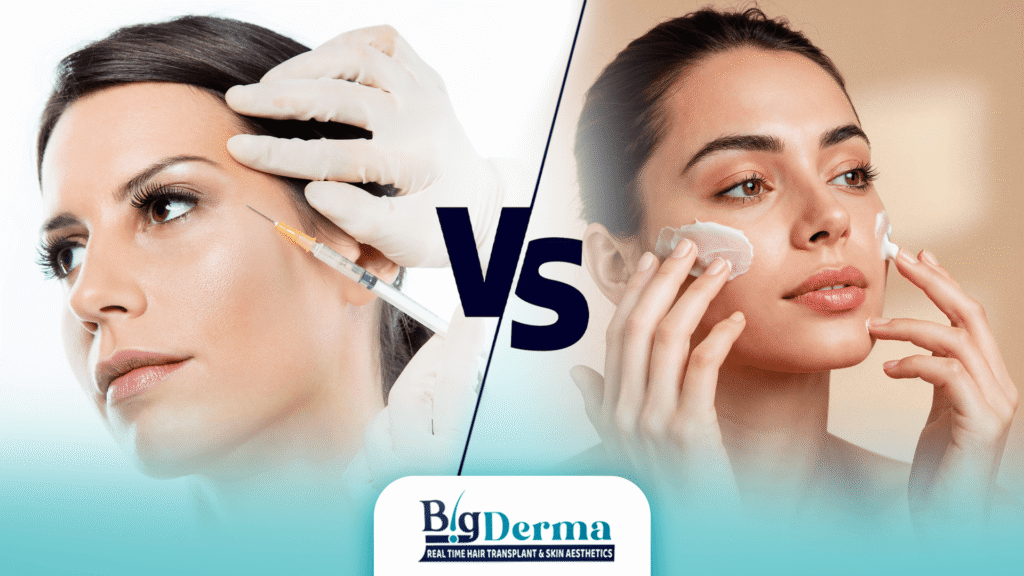
When it comes to reducing wrinkles and slowing visible aging, Botox vs Anti-Aging Creams: Which Is More Effective is a common and clinically relevant question. Both methods are widely used in dermatology, but scientific evidence shows they work in very different ways, which directly impacts their effectiveness for different skin concerns.
How Botox Works
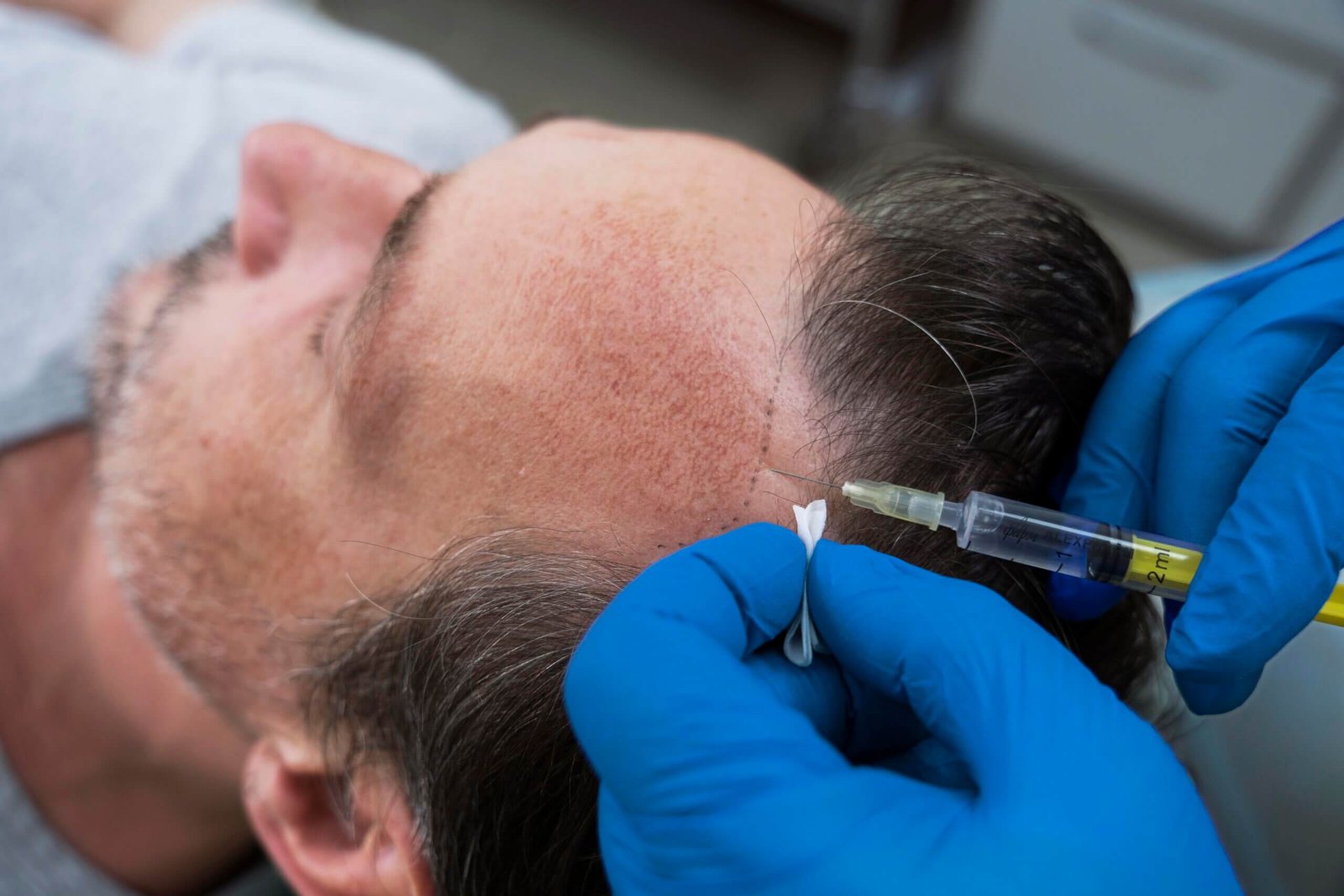
Botox is a purified neurotoxin that temporarily relaxes facial muscles by blocking nerve signals. This mechanism directly targets the root cause of dynamic wrinkles—repeated muscle movement. High-quality evidence, including a Cochrane review, confirms that botulinum toxin type A significantly reduces facial wrinkles, especially between the eyebrows, with visible improvement seen within weeks. The effect typically lasts around 4–6 months before wearing off.
Clinical research also considers botulinum toxin a “gold standard” treatment for dynamic facial wrinkles because of its consistent and targeted results.
How Anti-Aging Creams Work
Anti-aging creams function differently, working at the skin level rather than affecting muscle movement. Ingredients like retinoids and hyaluronic acid are supported by dermatological research for improving skin quality. Retinoids, for example, are known to stimulate collagen production, while hyaluronic acid improves hydration and skin plumpness. These effects help reduce fine lines and improve overall skin texture gradually.
Unlike Botox, creams do not produce rapid or dramatic changes. Instead, they provide long-term improvements in skin health, including better elasticity, hydration, and protection against environmental damage.
Which Option Is More Effective
Scientific evidence suggests that Botox is more effective for treating dynamic wrinkles because it directly reduces muscle activity—the main cause of expression lines. Anti-aging creams, however, are better suited for improving overall skin condition, including hydration, tone, and early signs of aging.
In simple terms, Botox offers faster and more noticeable wrinkle reduction, while creams provide broader but slower benefits for skin health.
A Combined Approach for Better Results
Clinical practice increasingly supports combining both treatments. Research shows that Botox can effectively reduce wrinkles, while maintaining good skin health through skincare helps enhance and prolong results.
Ultimately, the answer to Botox vs Anti-Aging Creams: Which Is More Effective depends on individual goals. If the priority is quick wrinkle reduction, Botox is more effective. If the focus is long-term skin improvement, anti-aging creams are essential. For many people, combining both approaches delivers the most balanced and lasting results.