Waking up to find an increasing amount of hair on your pillow or noticing a widening parting line in the mirror can be a deeply unsettling experience. Over my decade-plus of clinical practice in hair restoration, I have consulted thousands of patients struggling with premature hair thinning and receding hairlines. The search for a reliable fix often leads to two major clinical solutions: Platelet-Rich Plasma (PRP) therapy and Surgical Hair Transplantation.
Both approaches are clinically proven and highly effective, but they serve vastly different clinical indications, scalp conditions, and patient expectations. If you are deciding between non-surgical restoration and surgical hair grafting, this comprehensive medical breakdown will guide you toward the right path for your hair loss journey.
Understanding PRP Hair Loss Treatment
Platelet-Rich Plasma (PRP) therapy is a biological treatment that leverages your body’s natural healing mechanisms to stimulate dormant, thinning hair follicles.
The Medical Science Behind PRP
Your blood contains red cells, white cells, plasma, and platelets. Platelets are rich in essential growth factors—such as Platelet-Derived Growth Factor (PDGF), Transforming Growth Factor (TGF), and Vascular Endothelial Growth Factor (VEGF).
When concentrated and micro-injected into the scalp, these biological growth factors:
Extend the anagen (growth) phase of the active hair cycle.
Reverse the miniaturization of hair follicles caused by Androgenetic Alopecia (DHT sensitivity).
Enhance local micro-circulation (angiogenesis) around the hair roots, delivering vital oxygen and nutrients.
A targeted PRP hair loss treatment acts as a biological boost for weakened, thinning hair roots. It works by revitalizing existing hair follicles rather than creating entirely new ones.
How the Procedure Works
Blood Extraction: A small sample of blood (roughly 10–20 ml) is collected from your arm.
Centrifugation: The sample is spun in a medical-grade centrifuge to isolate concentrated platelet-rich plasma from red blood cells.
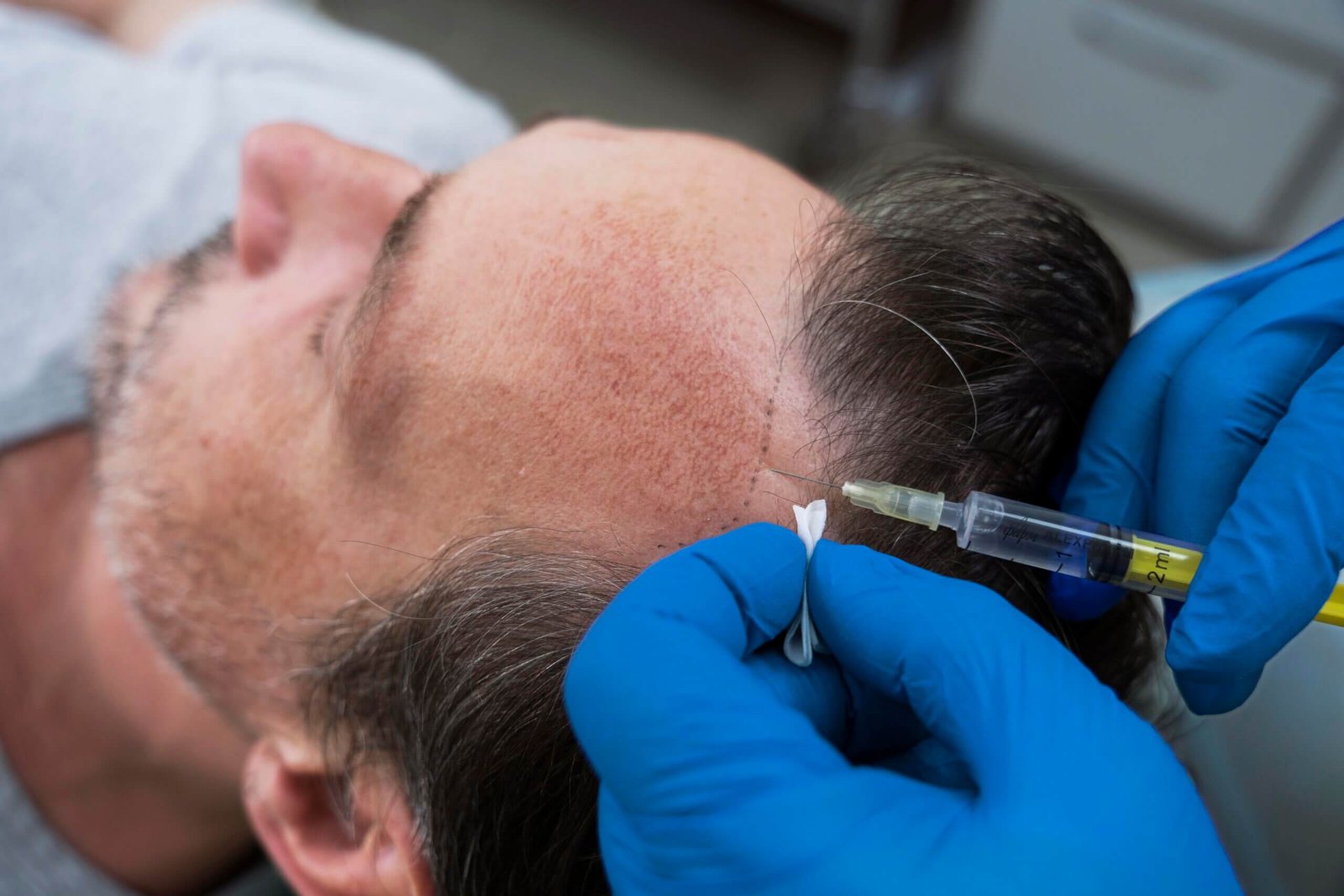
Targeted Scalp Injections: The concentrated PRP solution is precisely injected into thinning scalp regions using ultra-fine needles under local topical anesthesia.
Important Medical Contraindications
While an effective PRP hair fall treatment carries minimal risk of allergic reactions (since it uses autologous blood), it is not suitable for everyone. Patients with the following conditions should avoid PRP:
Severe thrombocytopenia or low platelet counts
Active scalp infections or chronic skin diseases
Systemic blood disorders or ongoing anticoagulant/blood-thinner therapy
Uncontrolled thyroid dysfunction or severe chronic liver disease
Understanding Surgical Hair Transplants
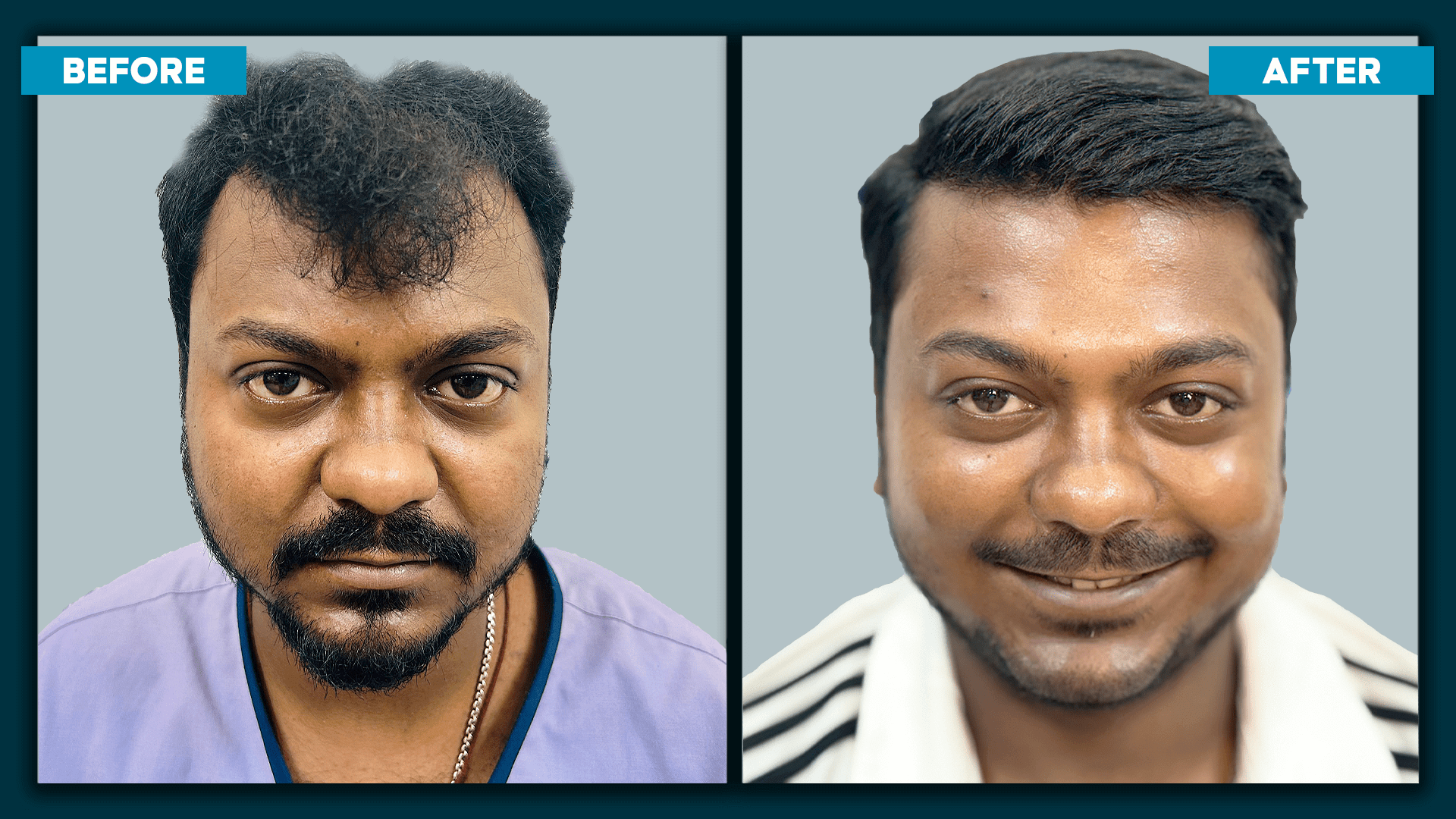
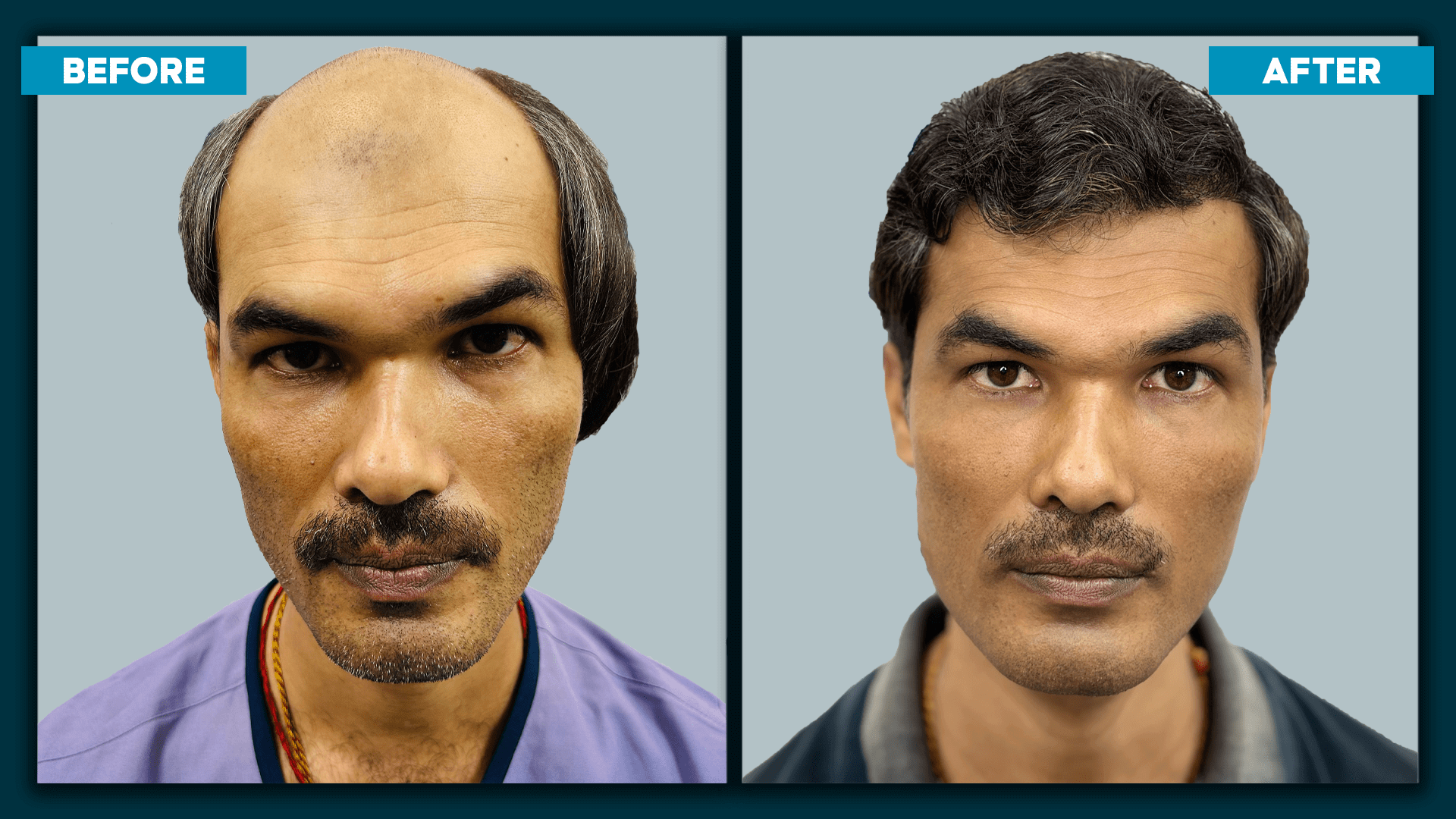
A hair transplant is a minor surgical procedure designed to physically relocate permanent, DHT-resistant hair follicles from donor zones to completely balding regions.
Techniques: FUE vs. FUT
There are two primary extraction methods used in modern hair restoration:
FUE (Follicular Unit Extraction): Individual hair grafts are harvested one by one from the safe donor zone (typically the back or sides of the head) using micro-punches and implanted into recipient sites. FUE leaves minimal, tiny dot scars.
FUT (Follicular Unit Transplantation / Strip Method): A strip of tissue containing hair grafts is surgically removed from the donor area, dissected under microscopes, and implanted. FUT leaves a linear donor scar.
Unlike PRP—which rejuvenates active, dormant roots—a surgical transplant physically replaces dead follicles in areas where growth has completely ceased.
Direct Comparison: PRP Therapy vs. Hair Transplants
| Clinical Criteria | PRP Hair Treatment | Surgical Hair Transplant |
| Invasiveness | Non-surgical, micro-injections | Surgical procedure requiring local anesthesia |
| Ideal Candidate | Early to moderate thinning with viable hair roots | Advanced hair loss with smooth, slick bald zones |
| Primary Mechanism | Rejuvenates existing follicles & reduces shedding | Replaces dead or missing follicles with new grafts |
| Downtime | Zero downtime; immediate return to daily routine | 7 to 14 days for scabbing recovery |
| Time to Results | Visible density changes in 3 to 6 months | Initial shedding followed by growth at 6 to 12 months |
| Maintenance | Maintenance sessions needed every 4 to 6 months | Transplanted hair is permanent (native hair needs care) |
Why Choose PRP Treatment in Kolkata at Big Derma?
Finding an effective, medically sound solution for thinning hair requires expert trichological evaluation. At Big Derma, our clinical approach to PRP treatment in Kolkata prioritizes long-term follicular health through customized treatment protocols:
High-Concentration Centrifugation: We utilize double-spin technology to yield maximum platelet purity and growth factor concentration.
Combined Medical Protocols: PRP is frequently paired with FDA-approved therapies (like topical Minoxidil or oral DHT blockers) to deliver comprehensive results against genetic hair loss.
Dermoscopic Tracking: We monitor hair shaft thickness and density changes under microscopic trichoscopy after every session to ensure measurable progress.
Which Solution Is Right for You?
Choose PRP Hair Treatment If:
You are in early-to-moderate hair loss stages: Your hair is noticeably thinning, but active hair follicles still cover the scalp.
You want a non-invasive approach: You prefer to avoid surgical incisions, stitches, or extended recovery windows.
You want to boost existing hair density: You want to strengthen fine hair shafts and reduce progressive shedding.
Choose a Hair Transplant If:
You have slick bald regions: Hair follicles in target areas have completely died (skin appears smooth with no active roots).
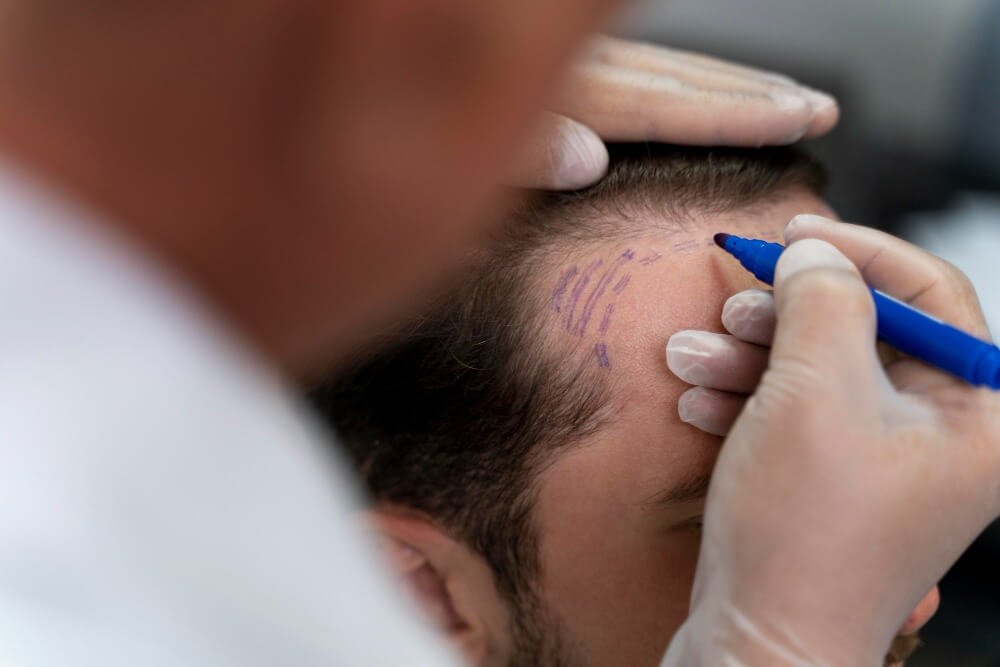
You require hairline reconstruction: You need to restore a severely receded hairline or significant temporal loss.
You have sufficient donor hair: You possess healthy, dense hair in donor areas (back of the head) to harvest graft units.
Combining Both for Optimal Results
PRP therapy and hair transplantation are not mutually exclusive—they work exceptionally well together. At Big Derma, we often integrate PRP into transplant workflows to prepare the recipient tissue pre-surgery and accelerate graft survival and healing post-surgery.
Book Your Hair Evaluation at Big Derma
The key to reversing hair loss is early, accurate diagnosis. Waiting until hair roots completely atrophy limits your non-surgical options.
If you are experiencing unexplained hair fall or visible thinning, visit Big Derma for a comprehensive trichological assessment with our expert dermatologists in Kolkata.